
Custom Boots Factories: Wholesale Manufacturer Directory
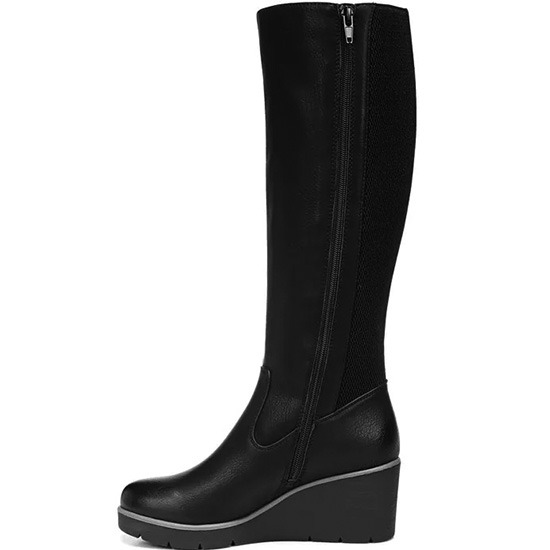
From the heart of Custom Boots Factories, I work with wholesale buyers who need reliable, made-to-order footwear. As a manufacturer, I control design, materials, stitching, and finishing, so you get consistent quality every batch. We tailor boots to your specs—leathers, toe shapes, heights, and hardware—while keeping costs competitive. My team handles every step from proto to production, with strict QA, traceable sourcing, and compliance checks. We offer flexible MOQs, scalable output, and fast lead times to fit seasonal catalogs and promotions. Packaging, labeling, and private-brand branding can be included for seamless resale. With Wholesale demand in mind, I focus on dependable stock, timely shipments, and clear communication, so your sales teams stay confident. If you’re evaluating Custom Boots Factories, let’s discuss your market needs, pricing, and finish level. I’m ready to collaborate on a durable, comfortable boot line that boosts your margins.


Custom Boots Factories Winning in 2025 Manufacturers You Can Rely On
Across the custom boot market in 2025, winning factories combine end-to-end capability, rapid prototyping, and unwavering quality. Buyers want partners who can turn a concept into a durable product—from last-building and pattern development to material selection and in-house tooling—delivering precise samples quickly and scaling smoothly to full production. These leaders emphasize traceable materials, robust QA, and clear risk management, ensuring performance and long wear in real-world conditions. When selecting a supplier, global buyers should value vertical integration, automation, and data-enabled planning that cut lead times and variability. Certifications, sustainable practices, and ethical sourcing build trust. Flexible MOQs, clear communication, multilingual support, real-time updates, and reliable logistics are essential for cross-border schedules. A reliable partner offers collaborative problem-solving and post-delivery service to protect your brand in a competitive market.
{ Custom Boots Factories Winning in 2025 Manufacturers You Can Rely On}
| Region | Year Established | Factory Size (Employees) | Annual Output (thousand pairs) | Automation Level (%) | Lead Time (Days) | Energy Intensity (kWh per pair) | Water Usage (ML/year) | Carbon Emissions (tons CO2/year) | Certifications |
|---|---|---|---|---|---|---|---|---|---|
| Southeast Asia | 12 | 1200 | 4800 | 65 | 14 | 3.2 | 220 | 4200 | ISO 9001, ISO 14001 |
| South Asia | 9 | 900 | 3600 | 50 | 18 | 3.6 | 180 | 3600 | ISO 9001 |
| Europe | 20 | 1500 | 5200 | 85 | 12 | 2.8 | 140 | 2900 | ISO 9001, ISO 14001, BSCI |
| North America | 18 | 1100 | 4200 | 78 | 13 | 2.9 | 130 | 3100 | ISO 9001, SA8000 |
| Latin America | 14 | 600 | 2100 | 60 | 16 | 3.5 | 90 | 2100 | ISO 9001 |
| Africa | 8 | 350 | 1200 | 40 | 28 | 3.9 | 80 | 1200 | ISO 9001 |
| Oceania | 11 | 290 | 900 | 55 | 15 | 3.1 | 60 | 800 | ISO 9001, ISO 14001 |
| Middle East | 7 | 320 | 1100 | 45 | 20 | 3.4 | 75 | 900 | ISO 9001 |
Related Products


Custom Boots Factories Supplier More Than a Supplier - A Partner
Top Selling Products




- Related Blog
- Reviews
- Reviews
