
Fabrica Botas De Cuero - Wholesale Manufacturer Calzado
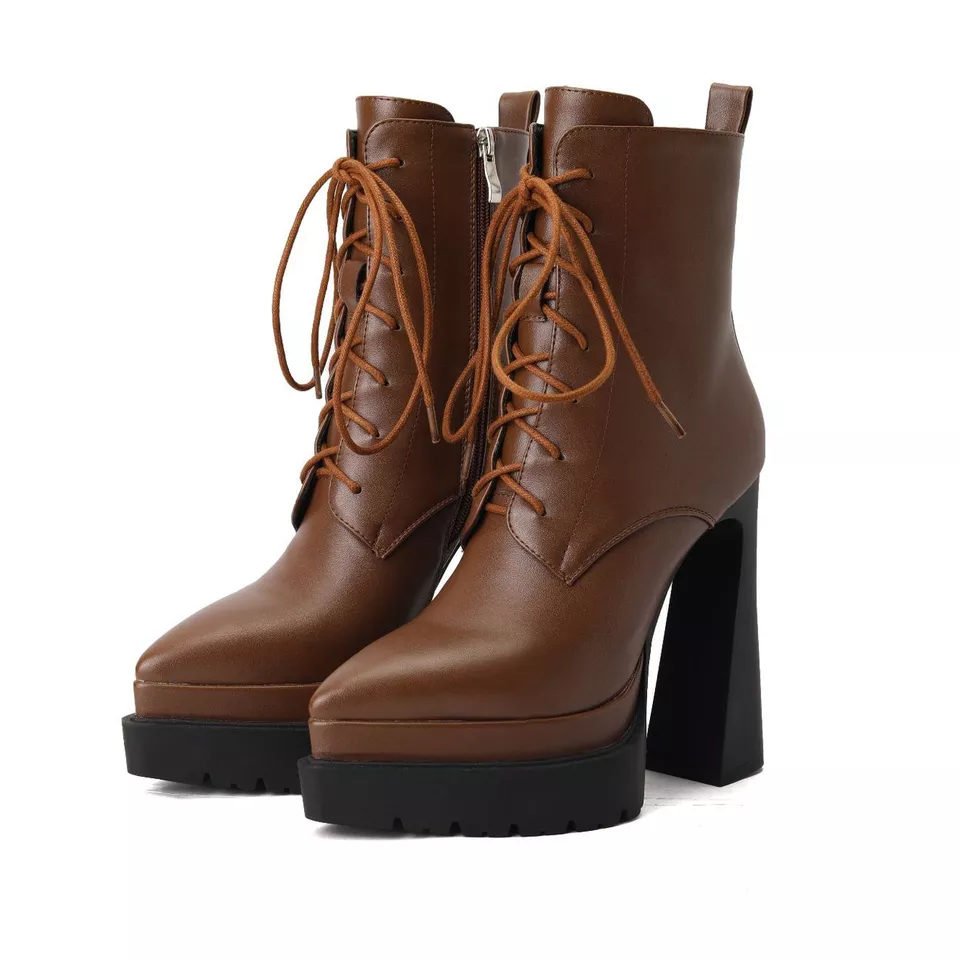
Como fabricante dedicado, yo gestiono una Fabrica Botas De Cuero que fabrica botas de cuero de alta resistencia para mercados Wholesale y Manufacturer. Cada par se corta a mano, usando cuero full-grain premium, suelas vulcanizadas y costuras doble aguja para una durabilidad que aguanta uso diario. Puedo personalizar alturas, anchos y acabados para satisfacer tus requerimientos de marca, desde estilo rudo para outdoor hasta diseño más clásico para uniformes corporativos. Mi equipo controla cada paso: selección de cuero, confección, pruebas de desgaste y empaque listo para envío. Ofrezco precios competitivos para ventas al por mayor, plazos de entrega consistentes y opciones de private label si planeas distribuir bajo tu marca. Si buscas calidad constante, stock estable y soporte directo, estoy listo para conversar. Conviértete en nuestro cliente Wholesale y Manufacturer y verás cómo nuestras botas de cuero fortalecen tu catálogo y tu reputación.






Fabrica Botas De Cuero Industry Leaders Winning in 2025
Global buyers increasingly seek durable leather boots, and industry leaders are winning in 2025 by fusing craftsmanship with digital manufacturing. Integrated supply chains, automated cutting and stitching, and data-driven quality control shorten lead times, ensure consistent fit, and provide traceable materials. Modern designs balance rugged durability with comfort, water resistance, and lighter weight. Smart suppliers emphasize material transparency, responsible tanning, and standardized testing for abrasion, slip, and impact. They offer customization—from lasts and outsole patterns to colorways—without sacrificing speed, while maintaining fair labor practices and environmental management that meet global standards. Global buyers should evaluate factories with strong QA programs, scalable production plans, clear logistics, and reliable after-sales service. Request samples, verify certifications, and check capacity buffers. Seek partners offering stable pricing, on-time shipments, and flexible terms to align quality, sustainability, and value in a competitive market.
{ Fabrica Botas De Cuero Industry Leaders Winning in 2025 }
| Leader | Region | Production Capacity (k pairs/year) | Export Volume (k pairs/year) | Export Share (%) | Sustainability Score (0-100) | Innovation Index (0-100) | Employees | Automation Level (0-100) | Carbon Footprint (kT CO2e) | Water Usage (ML/year) |
|---|---|---|---|---|---|---|---|---|---|---|
| Leader A | Europe | 1,350 | 860 | 63 | 88 | 86 | 10,500 | 75 | 66 | 1,800 |
| Leader B | Asia-Pacific | 2,100 | 1,540 | 73 | 84 | 90 | 24,500 | 82 | 110 | 3,600 |
| Leader C | North America | 1,900 | 660 | 35 | 78 | 82 | 15,800 | 70 | 85 | 1,700 |
| Leader D | Latin America | 800 | 320 | 40 | 76 | 72 | 6,000 | 60 | 48 | 950 |
| Leader E | Africa & Middle East | 1,100 | 520 | 47 | 81 | 79 | 8,400 | 65 | 60 | 1,150 |
Related Products


Fabrica Botas De Cuero Your Trusted OEM Partner Outperforms the Competition
Top Selling Products




- Related Blog
- Reviews
- Reviews
