
Mens Sandals Supplier | Wholesale Manufacturer Solutions
As a trusted Mens Sandals Supplier, I streamline Wholesale orders for retailers and online distributors. I work directly with Manufacturer partners to ensure quality, consistency, and competitive pricing. Our sandals combine ergonomic footbeds, durable straps, and sustainable materials, perfect for summer campaigns. I offer flexible MOQs, rapid sample cycles, private labeling, and custom branding to boost your catalog. With certifications and quality control at every step, you can rely on on-time shipping and traceable materials. We'll tailor orders to your seasonal demand, with scalable production and transparent lead times. If you're expanding your footwear line, I provide end-to-end support from design brief to finished shipment. Let's discuss minimums, packaging, and FOB or CIF terms. I value long-term partnerships and a seamless supply chain.


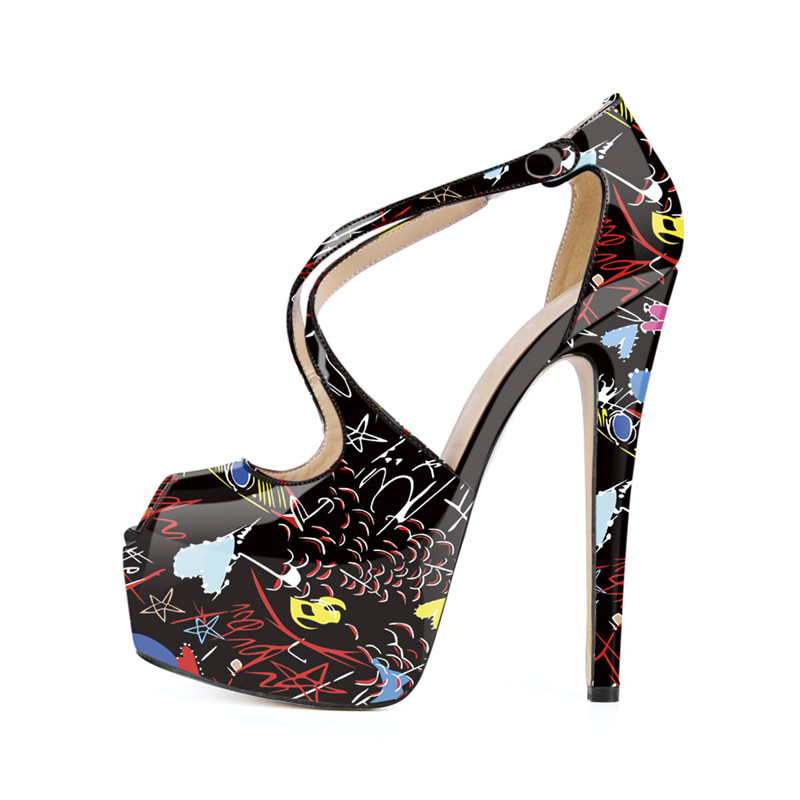
Mens Sandals Supplier Application Stands Out
For global buyers, a men's sandals supplier application is a gateway to reliability. A standout submission goes beyond a price list, showing end-to-end capability—from concept to bulk production—along with robust QA, scalable tooling, and clear communication. It highlights material options (PU, EVA, leather, rubber), comfort features (arch support, cushioning), and flexible packaging and private labeling that suit multiple markets. To impress, the application should include concrete evidence: production capacity, lead times, MOQs, and sample timelines; audit reports and essential certifications; a quality-management system; test data; warranty terms; and logistics readiness with clear incoterms. It should also demonstrate sustainable sourcing, risk management, and a collaborative approach for consistent supply, trend alignment, and responsible partnerships.
| Country | Region | Rating | Certifications | Lead Time (days) | MOQ (units) | Material Focus | Monthly Capacity (pairs) | Sample Availability | On-Time Delivery Rate (%) | Year Established |
|---|---|---|---|---|---|---|---|---|---|---|
| Vietnam | Asia | 4.6 | ISO 9001; ISO 14001; BSCI | 20 | 1000 | EVA foam; PU leather | 50000 | Yes | 97% | 2010 |
| China | Asia | 4.4 | ISO 9001; SGS | 25 | 2000 | Rubber sole, PU upper | 120000 | Limited | 92% | 2005 |
| Indonesia | Asia | 4.5 | ISO 9001 | 18 | 800 | Natural rubber; Uppers with leather | 80000 | Yes | 95% | 2012 |
| Portugal | Europe | 4.7 | OEKO-TEX; ISO 9001 | 30 | 500 | Leather straps; EVA sole | 60000 | Yes | 98% | 1998 |
| Spain | Europe | 4.3 | ISO 9001 | 22 | 1200 | PU leather; Cork | 45000 | Yes | 93% | 2011 |
| India | Asia | 4.2 | BSCI; ISO 9001 | 15 | 1500 | EVA; mesh fabric | 90000 | Yes | 94% | 2008 |
| Vietnam | Asia | 4.1 | ISO 9001 | 12 | 400 | Rubber outsole; Fabric upper | 60000 | Yes | 96% | 2014 |
| United States | North America | 4.0 | ASTM; ISO 9001 | 40 | 1000 | Leather; Cork insoles | 30000 | Limited | 90% | 1995 |
| Philippines | Asia | 4.4 | ISO 9001; FSC | 17 | 700 | GRS fabrics; EVA | 42000 | Yes | 92% | 2013 |
| Turkey | Europe/Asia | 4.5 | ISO 9001; BSCI; OHSAS | 28 | 900 | Microfiber; Rubber sole | 52000 | Yes | 97% | 2006 |
Related Products
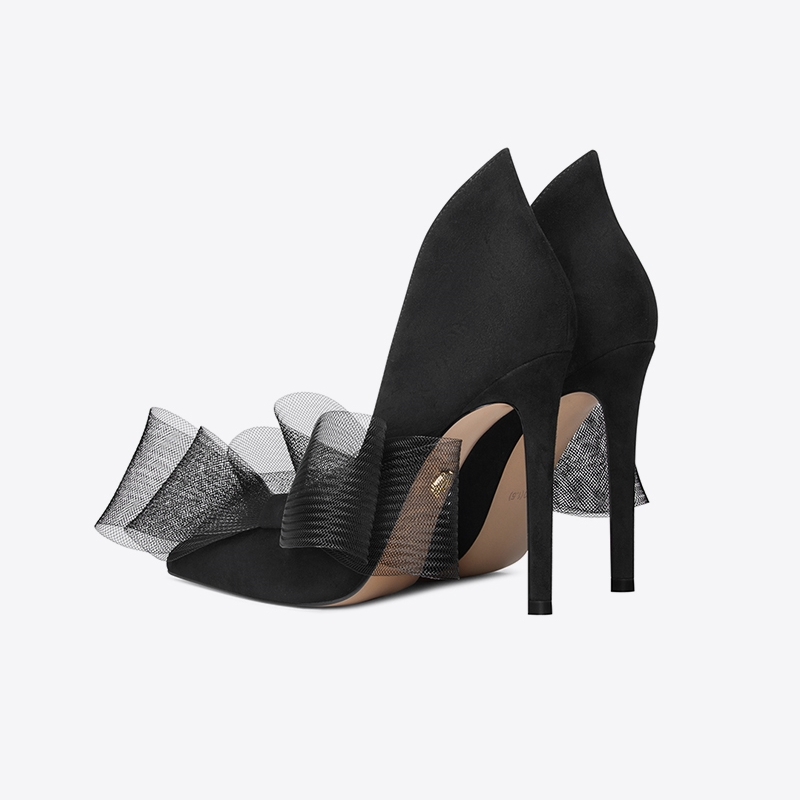
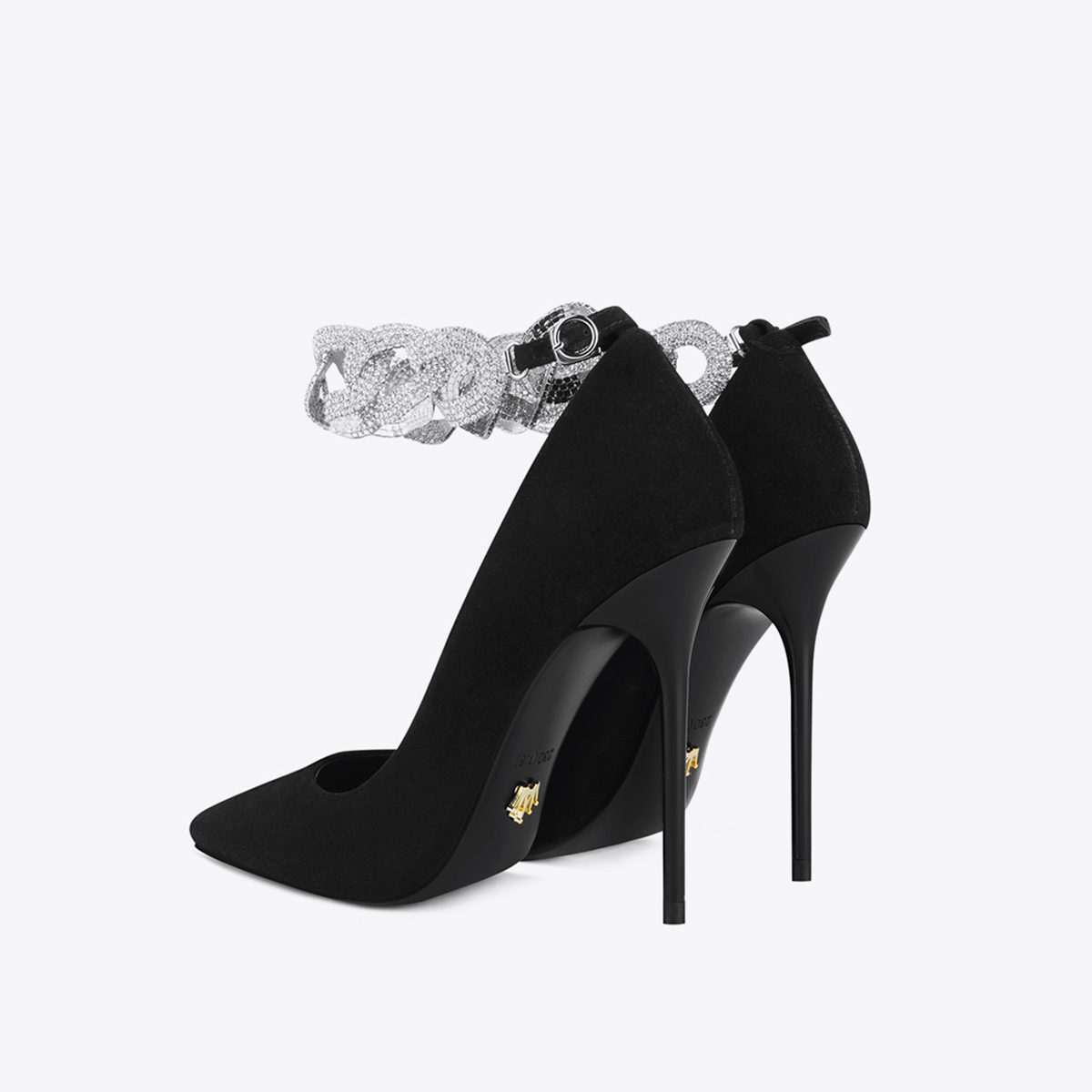
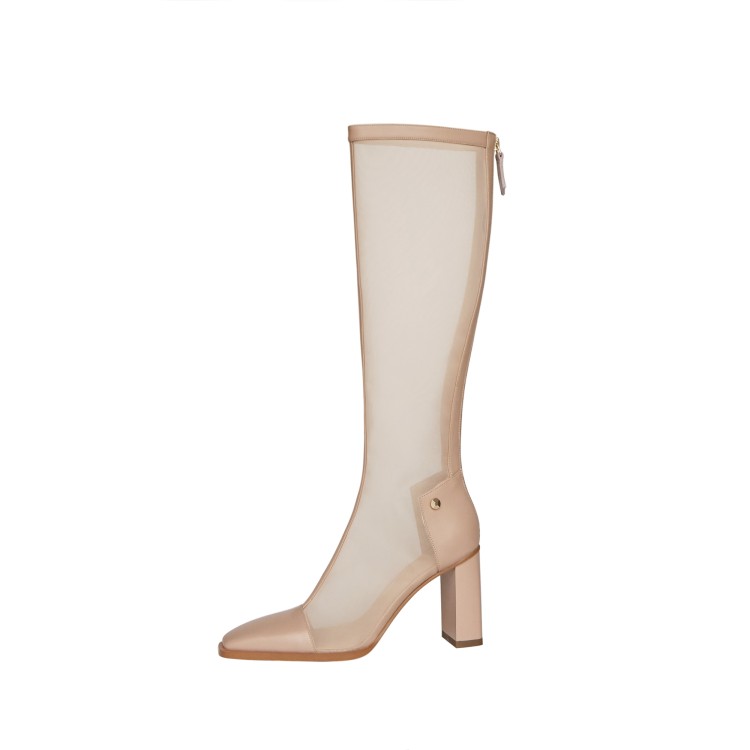
Mens Sandals Supplier Trusted by Pros Supplies the World\u2019s Top Brands
Top Selling Products



- Related Blog
- Reviews
- Reviews
