
Shoe Material Types: Wholesale Manufacturer Guide
From my workshop to your catalog, I provide a carefully curated range of Shoe Material Types built for durability and style. If you’re sourcing for Wholesale or seeking a trusted Manufacturer partner, I’ve got you covered with fabrics and synthetics, leathers, composites, and eco-friendly options. I can tailor material blends to match performance specs, weight targets, breathability, water resistance, and colorfastness. My team and I handle all steps from supplier vetting to QA, ensuring consistent supply and scalable orders for yours. With direct access to mills, I maintain competitive lead times and flexible MOQs for bulk orders. I understand shoe makers’ demands: margin, consistency, traceability, and compliance. Let me help you optimize your line with the right Shoe Material Types, so your products perform on the shelf and in the field. Contact me for a wholesale quote and to discuss manufacturing collaboration.
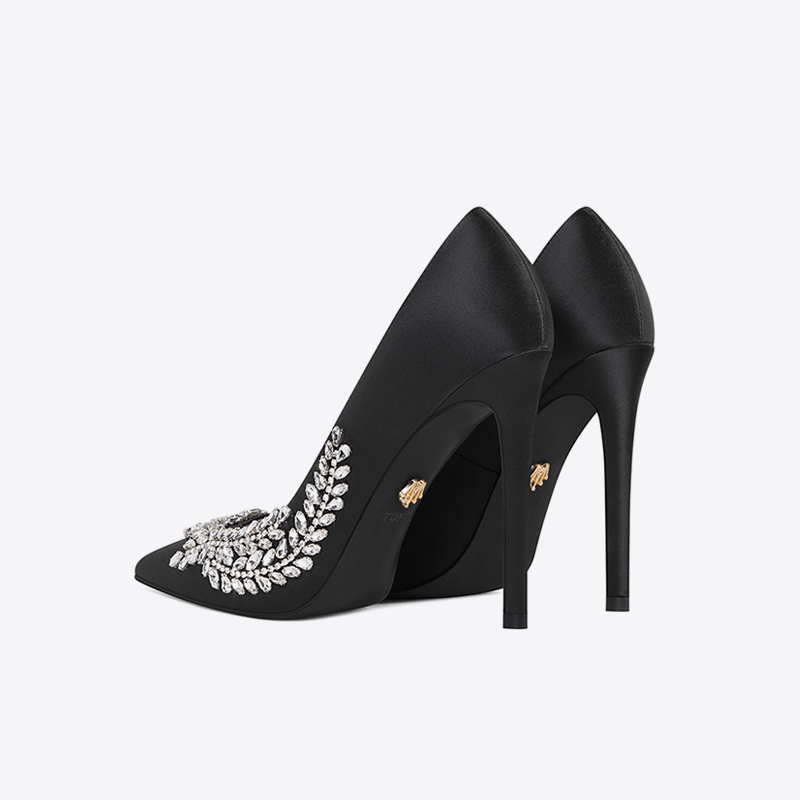
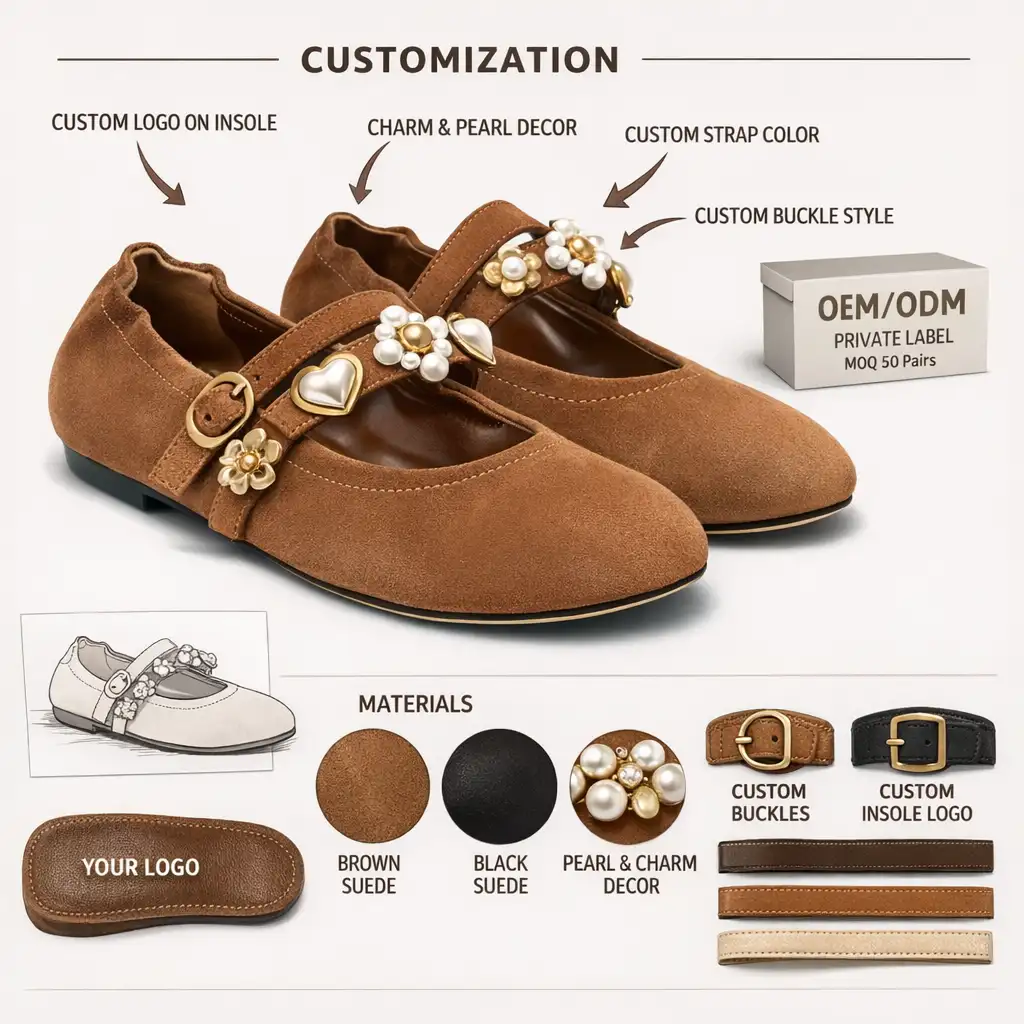
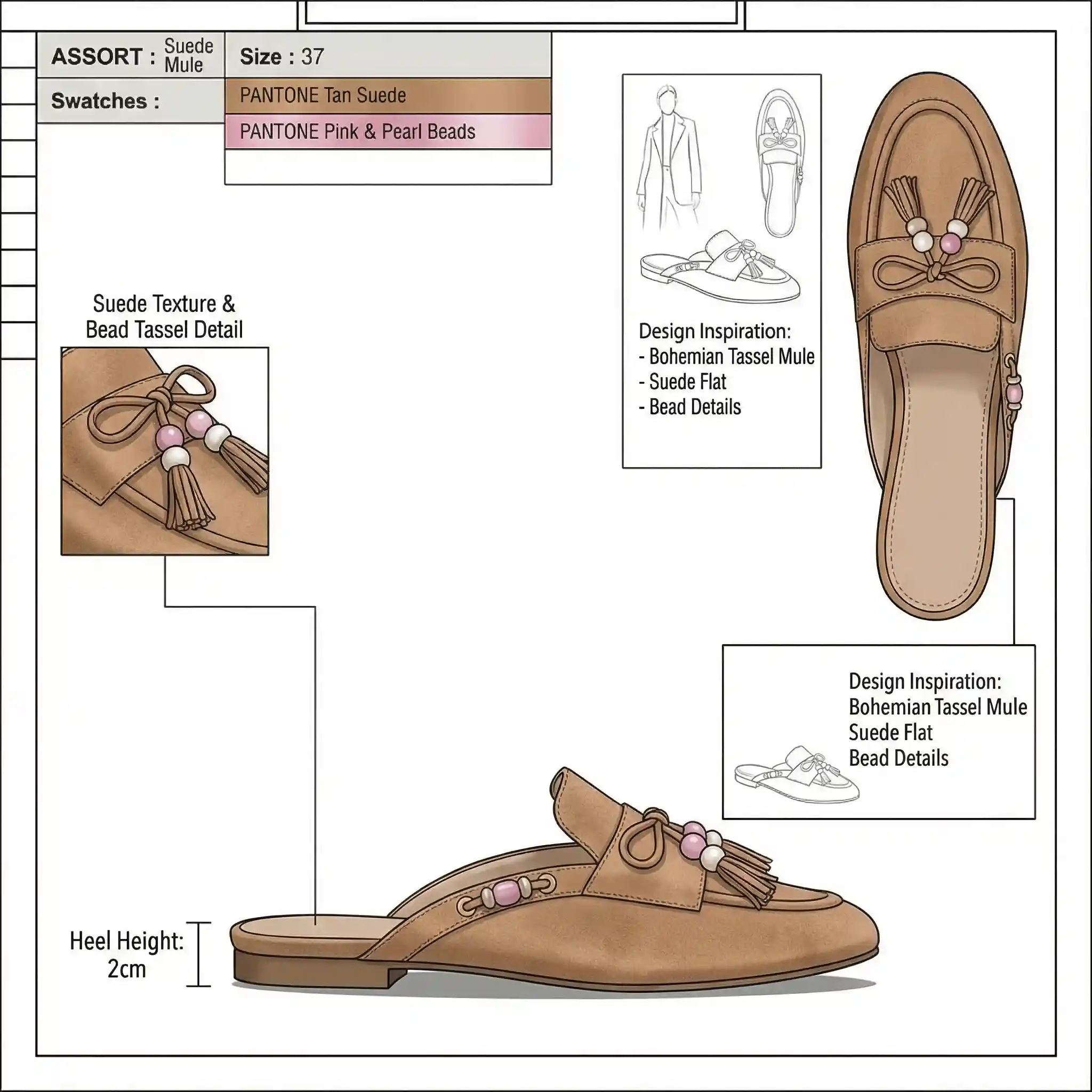
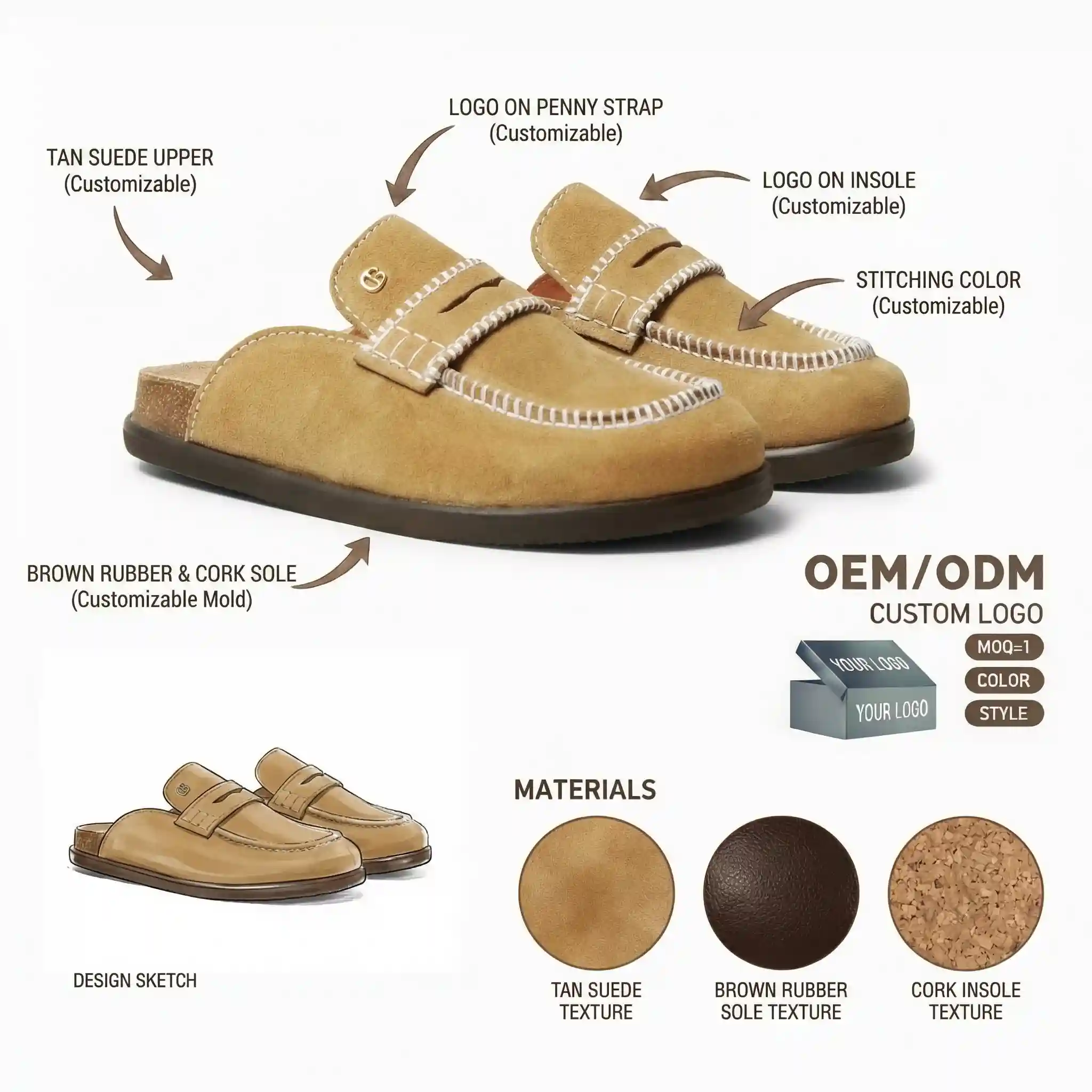


Shoe Material Types Now Trending Winning in 2025
Global buyers are prioritizing sustainable, high-performance materials in 2025. Plant-based uppers such as pineapple leaf, cactus, and mushroom leather, along with recycled fabrics, bio-based foams, and water-based adhesives, are expanding options without sacrificing comfort or durability. Certifications like OEKO-TEX and GRS help verify claims and reduce procurement risk. Performance-minded materials are broadening: knit uppers, 3D textures, recycled rubber, and algae-based foams power lighter, better-fitting shoes. Buyers should prioritize durability, colorfastness, weather resistance, and traceability, supported by standardized testing and clear supply chain documentation. To hedge 2025 volatility, diversify suppliers, require transparent lead times and MOQs, and align materials with product type: athletic performance favors engineered synthetics; casual fashion leans toward sustainable leathers and fabrics; formal lines explore refined vegan leathers. Circularity programs and local production hubs are increasingly key.
| Material Type | Trend Index (0-100) | Breathability (1-5) | Durability (years) | Water Resistance (1-5) | End-of-Life Recyclability (%) | Common Applications |
|---|---|---|---|---|---|---|
| Full-Grain Leather | 72 | 3 | 8-12 | 3 | 25 | Uppers, trims |
| Vegan Leather (PU) | 88 | 3 | 6-8 | 4 | 10 | Uppers, linings |
| Engineered Knit Textiles | 91 | 5 | 5-7 | 4 | 60 | Uppers, sockliners |
| Recycled Polyester (rPET) | 85 | 3 | 6-10 | 3 | 75 | Uppers, linings |
| Cork Upper | 60 | 4 | 4-6 | 2 | 60 | Uppers |
| Algae-based Foam | 65 | 2 | 5-7 | 2 | 50 | Midsoles, cushioning |
| EVA Foam | 70 | 1 | 3-5 | 3 | 40 | Midsole |
| Natural Rubber Outsole | 78 | 2 | 7-10 | 5 | 45 | Outsoles |
| Hemp Fabric Upper | 66 | 4 | 5-6 | 3 | 40 | Uppers |
| 3D-Printed Bio-based Material (PLA) | 74 | 4 | 5-7 | 3 | 70 | Uppers, midsoles |
Related Products


Shoe Material Types Now Trending Where Service Meets Innovation
Top Selling Products



- Related Blog
- Reviews
- Reviews
