
Starting Your Own Shoe Brand: Wholesale Insights from a Manufacturer
I've helped many brands move from idea to shelves, and Starting Your Own Shoe Brand is not a dream, it's a plan. As a Manufacturer and wholesale partner, I provide end-to-end support for retailers and startups. You bring the concept, I supply the rest: design brief, material sourcing, pattern making, prototyping, and scalable production. My Wholesale pricing and flexible MOQs mean you can test, iterate, and grow without massive upfront risk. I insist on tight QA, color accuracy, and durable construction, so your products perform as promised. From sampling to mass production, I handle labeling, packaging, and compliance, keeping timelines clear. I offer private-label options and sustainable materials for a market that wants responsibility as much as style. If you're looking to differentiate in footwear, I can help you go from idea to sold—fast, predictable, and cost-efficient.


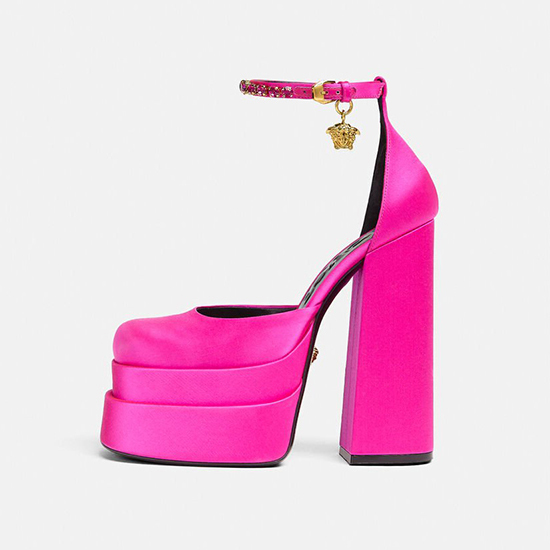


Starting Your Own Shoe Brand in 2025 More Than a Supplier - A Partner
Starting a shoe brand in 2025 means more than finding a supplier; it needs a partner who can turn a concept into a scalable product line. For global buyers, the path from idea to shelf is a joint effort across design, materials, tooling, sampling, and compliant manufacturing. A true partner aligns development with an efficient supply chain, delivering faster time-to-market, consistent quality, and transparent costs. They help manage risk by sizing capacity to forecast demand and safeguarding IP through clear specs and processes. Begin by defining your brand story, target customers, and product scope—categories like casual, athletic, or fashion. Map sustainability goals and social compliance from day one. Then choose a partner who offers end-to-end services: design support, material options, ethical sourcing, flexible MOQs, scalable production, independent QA, packaging, and global logistics. Request a collaborative roadmap, sample timelines, and a plan to adapt if specs change. In 2025, success comes from a partner who shares your vision and helps you grow a differentiated brand at scale.
Starting Your Own Shoe Brand in 2025 More Than a Supplier - A Partner
| Category | Metric | Baseline (2023-24) | Projection (2025) | Notes |
|---|---|---|---|---|
| Market & Validation | Time to validate concept | 3.5 months | 3.0 months | Shorter validation leveraging digital prototyping |
| Market & Validation | Prototyping iterations to final sample | 5.5 iterations | 4.0 iterations | 3D printing and rapid tooling |
| Production & Lead Time | Sample-to-mass production lead time | 10 weeks | 9 weeks | Line optimization and parallel sampling |
| Production & Sourcing | Minimum order quantity (MOQ) for small brands | 1000 units | 600 units | Flexible supplier policies |
| Sales & Distribution | Direct-to-Consumer share of sales | 42% | 56% | Growth of DTC channels |
| Returns & Quality | Product return rate | 7% | 5% | Improved QC and fit |
| Sustainability & Compliance | Sustainability audit score (0-100) | 78 | 86 | Increased supplier audits and materials |
| Manufacturing Capacity | Production capacity per factory (pairs/month) | 1800 | 2500 | Facility upgrades |
| Supplier Network | Regions with approved suppliers | 3 | 4 | Expand to more regions |
| Marketing & Growth | Active marketing channels | 3 | 5 | Influencer and content marketing |
| Financial & Time-to-Profit | Break-even time (months) | 20 | 16 | Faster iteration reduces time to profitability |
| Growth Metrics | Online conversion rate | 1.8% | 2.4% | Checkout flow optimization |
| Product Design Cycle | Design-to-market cycle time | 22 weeks | 18 weeks | Faster design cycles |
Related Products


Starting Your Own Shoe Brand Sets the Industry Standard Delivers Unmatched Quality
Top Selling Products


- Related Blog
- Reviews
- Reviews
