
B2b Shoe Manufacturer - Wholesale Footwear for Businesses
From the workshop to your catalog, I am a B2b Shoe Manufacturer focused on dependable wholesale partnerships. I offer durable, comfortable footwear with consistent sizing and fast fulfillment for large orders. When you choose me as your supplier, you get scalable production, flexible MOQ, and transparent timelines. I use tested materials and strict QC to reduce returns. My services include private-label branding, custom uppers, and size ranges across men's, women's, and kids' lines. I know wholesale buyers need steady stock and predictable costs, so I provide fixed-rate quotes, short lead times, and batch-weigh everything to control shipping. With direct factory pricing, I help margins grow while you keep customers satisfied. If you want a reliable Manufacturer partner who understands wholesale dynamics, I'm ready to collaborate on samples, line sheets, and long-term contracts.
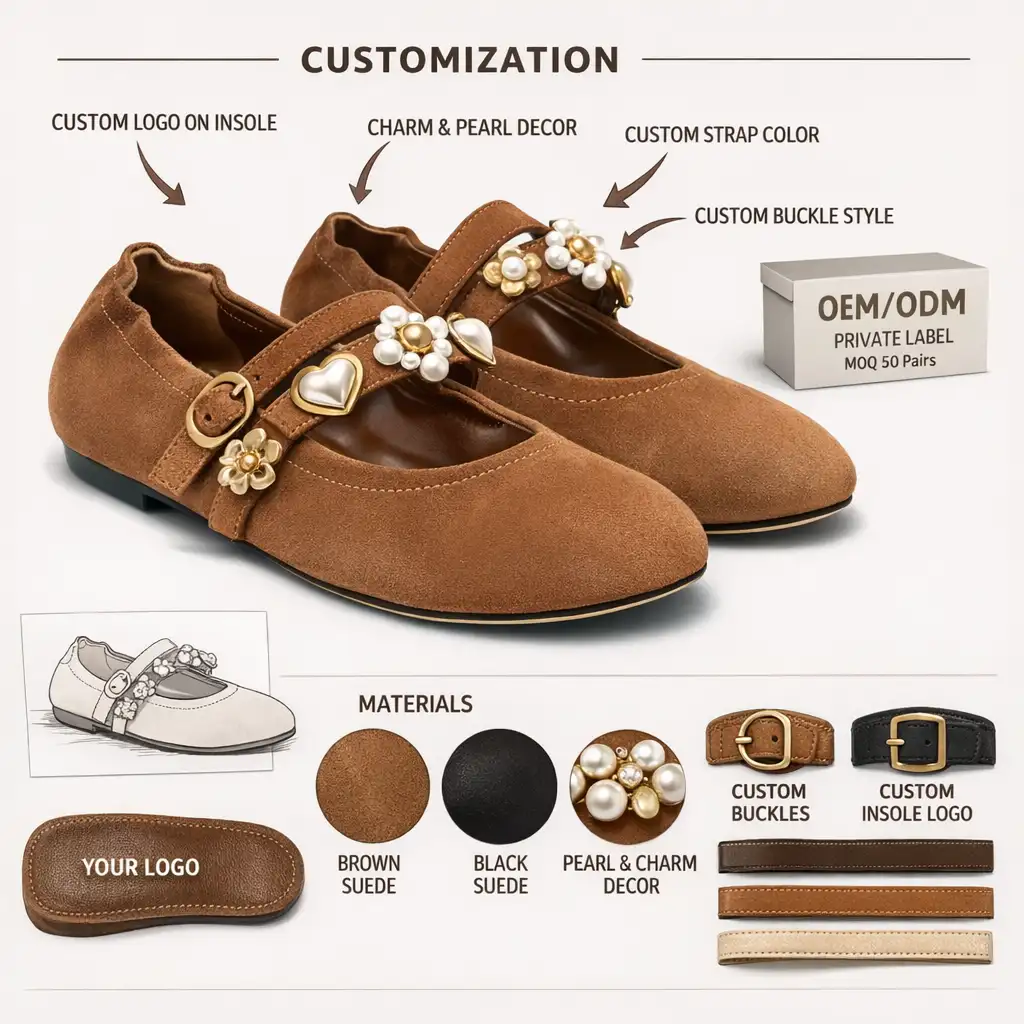
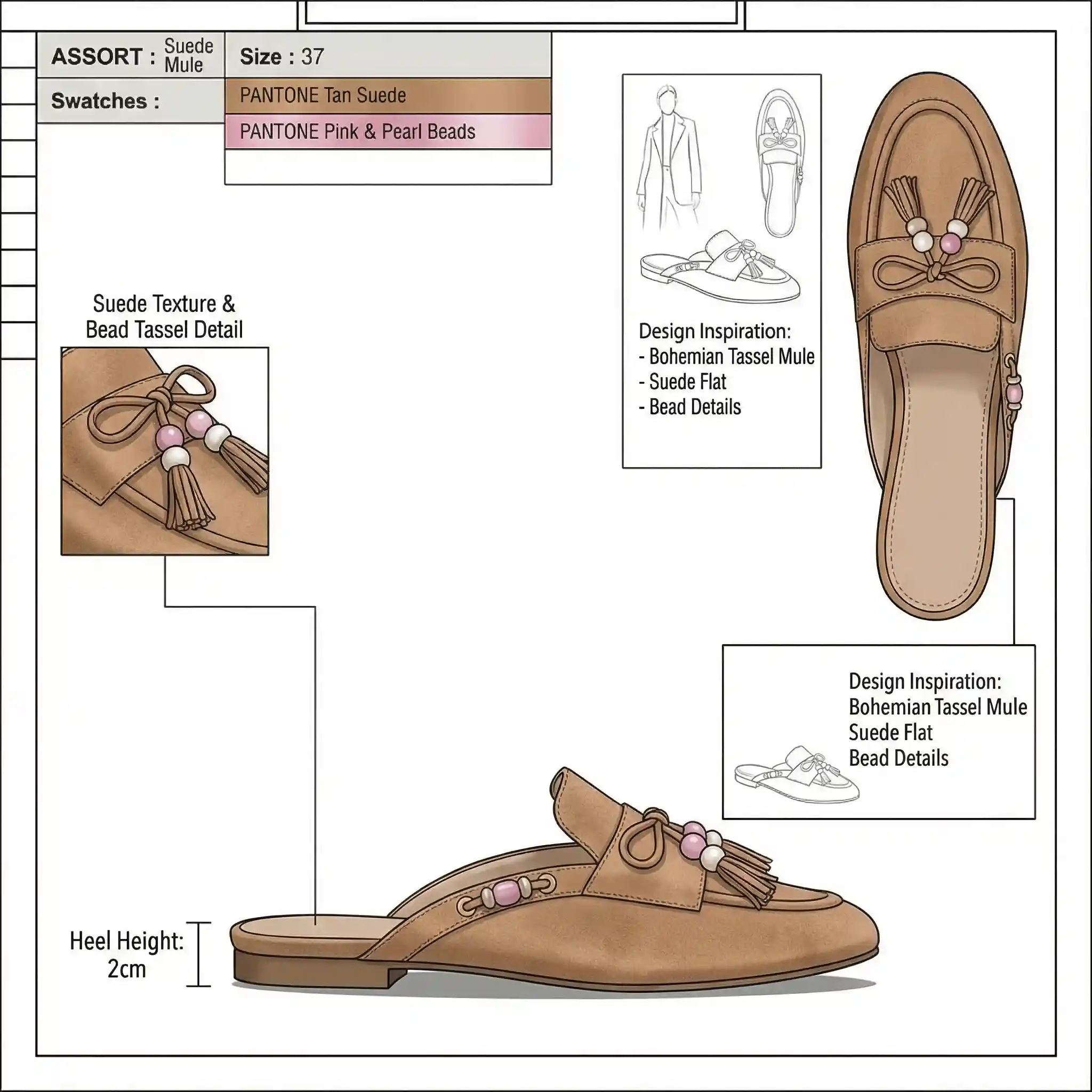
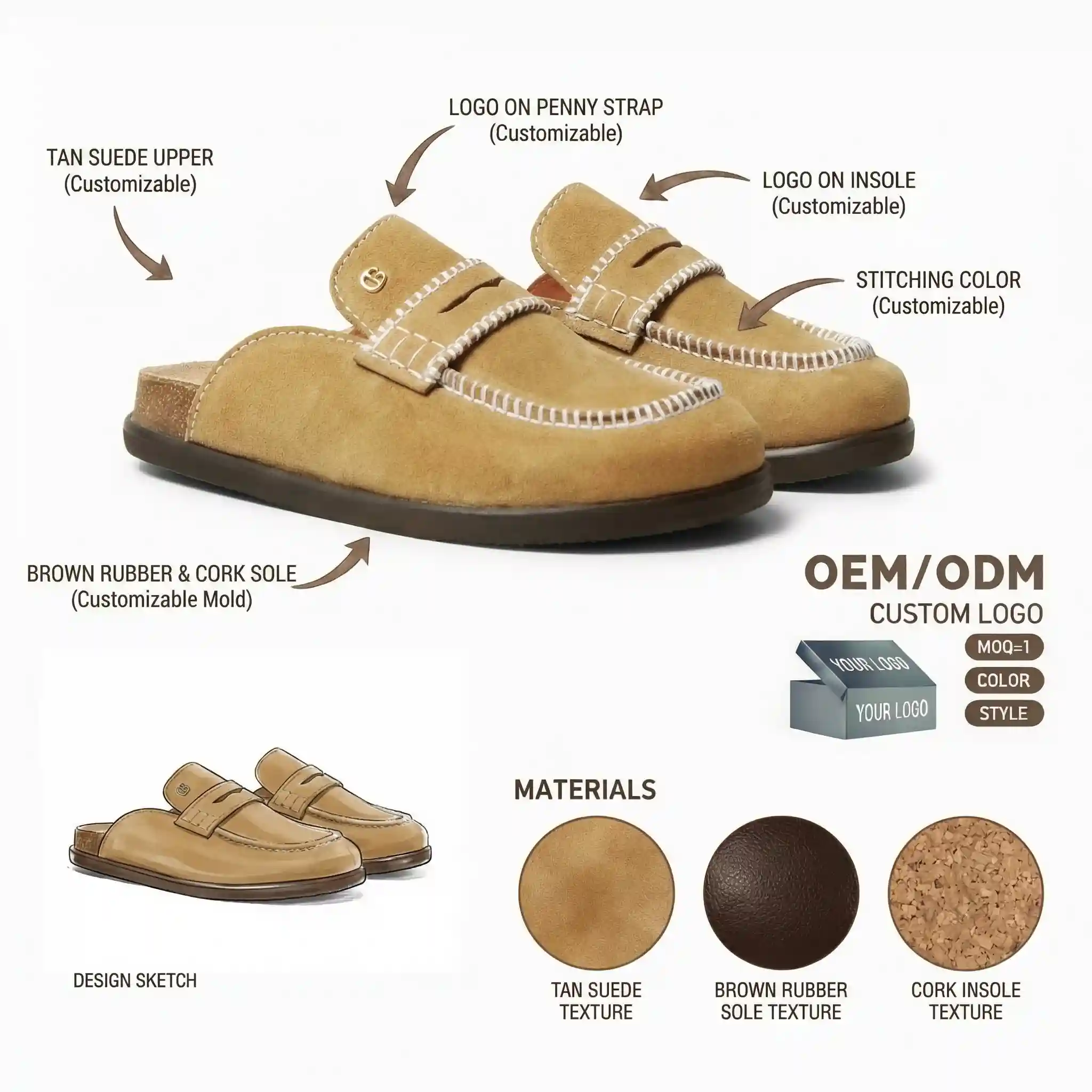


B2b Shoe Manufacturer Custom Solutions, From Concept to Delivery
From concept to delivery, an end-to-end shoe manufacturing partner transforms your idea into a finished product with speed and consistency. It starts with a precise brief and design collaboration, then CAD modeling and 3D samples to visualize fit, comfort, and style. Prototyping and fit testing refine lasts, uppers, and sole configurations, while material options span premium leather, knit, and sustainable synthetics. Customization can include last shape and width, sizes, colorways, branding placements, and packaging. After approval, tooling, pre-production planning, and controlled assembly align timing with quality, delivering a reliable first batch and scalable future production. Throughout production, rigorous QA at every stage ensures performance and durability, with full materials traceability and process controls. Clear communication, strong confidentiality, and IP protection reduce risk for global buyers. Flexible lead times, scalable output, and diverse logistics options—from air to ocean—support rapid market entry while controlling costs. A collaborative partner provides ongoing engineering support, post‑sales service, and continuous improvement, turning a concept into a dependable, market-ready solution for worldwide customers.
| Process Stage | Typical Lead Time | Material Options | Customization Options | Size Range | Quality Checks |
|---|---|---|---|---|---|
| Concept & Design | 1–2 weeks | Upper sketches, textile swatches, leather types (full-grain, corrected), synthetic microfibers | Silhouette adjustments, colorways, branding-free tech packs, insole geometry | US 5–15 / EU 35–50 (men's & women's combined ranges) | Design review, fit matrix validation |
| Prototyping | 2–4 weeks | Various outsoles (rubber, EVA), foam densities, lining fabrics | Last modifications, stitching patterns, reinforcement placement | Custom lasts per size group | Fit test, wear trial, pattern accuracy |
| Tooling & Lasts | 4–6 weeks | CNC last creation, die-cut tooling for midsoles/outsoles | Last shape, toe box width, heel cup depth | Scaled grading templates | Dimensional inspection, repeatability check |
| Pre-production Run | 2–3 weeks | Pilot batches using selected supplier materials | Label placement, color matching (Pantone reference), accessory choices | Full size set validation | First-article inspection, color fastness, adhesion tests |
| Mass Production | 6–12 weeks (batch dependent) | Bulk-grade leather, engineered knits, injected EVA midsoles | Stitching patterns, toe reinforcements, lace systems | Grading across requested ranges | Inline QC, AQL sampling, tensile & peel tests |
| Final Quality Control | 3–7 days | Visual inspection, functional checks on closures & seams | Batch-specific corrections, minor rework | Random sample across sizes | AQL inspection results, defect classification |
| Packaging & Labeling | 3–5 days | Recycled cardboard boxes, paper wraps, compostable bags | Custom printed boxes (artwork provided), hangtags, barcode labeling | Individual size marking per pair | Package integrity check, label accuracy |
| Shipping & Logistics | 4–8 weeks (sea) / 3–10 days (air/express) | Palletized shipments, carton consolidation | Customized packing per shipment, order consolidation | Pallet manifests, size breakdowns | Shipment QC, documentation check |
| Compliance & Certifications | Ongoing | Material-specific compliance (lead content, heavy metals) | Supplier declarations, material traceability | N/A | Certificate verification, lab test records |
| Sustainability Programs | Integrated across stages | Recycled PET yarns, bio-based foams, low-VOC adhesives | Take-back program setup, eco-packaging options | Size-neutral initiatives (reduced waste) | Material origin audits, water & energy use tracking |
Related Products


B2b Shoe Manufacturer Is The Best Now Trending
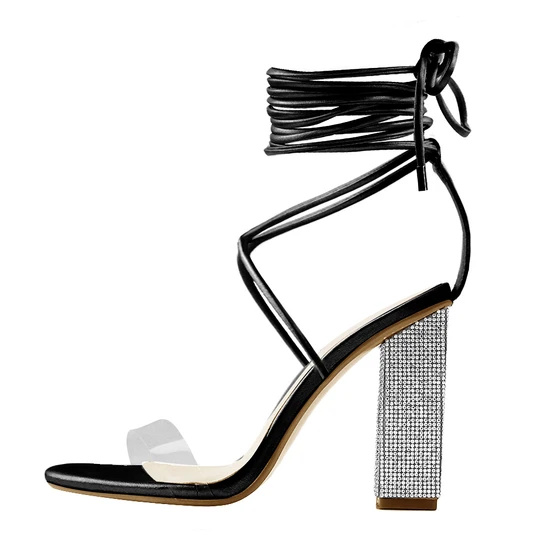
Top Selling Products



- Related Blog
- Reviews
- Reviews
