
Custom Mens Sandals Factory: Wholesale Manufacturer Solutions
We are your go-to partner for footwear production. At {Custom Mens Sandals Factory}, I design and deliver fully customized men's sandals for brands and retailers worldwide. From leather to synthetic uppers, EVA midsoles, and durable outsoles, I offer materials, colorways, stitching, and logo placement tailored to your line. I can handle small trials or large-scale production, with white-label packaging and competitive price per pair. My team provides responsive communication, fast sampling, and quick lead times to keep your Wholesale orders on schedule. As a dedicated Manufacturer, I control the process from prototyping to QC, ensuring consistent sizing, comfort, and color fastness. Minimums are flexible to fit your business, and I support ODM and OEM requests. If you're looking to scale, I offer volume discounts and reliable ship-from-factory logistics. Let’s build a long-term supply channel that grows your brand.


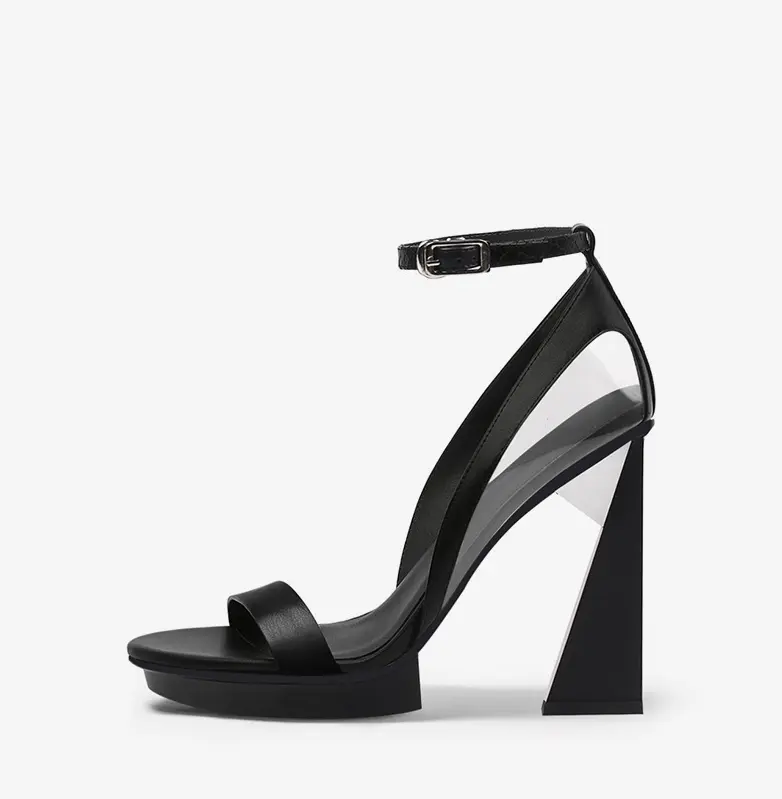


Custom Mens Sandals Factory Manufacturer Industry Leaders
Across the world’s footwear markets, a leading custom mens sandals factory turns design concepts into finished products with speed and precision. We offer premium leather and textile uppers, vegan and recycled options, and bespoke strap configurations, toe posts, buckles, and closures to fit any vision. Our development pipeline supports rapid prototyping and testing, enabling buyers to move from idea to sample to production quickly. Flexible MOQs and scalable production ensure consistent quality and reliable delivery for startups and distributors alike. Quality is built in at every step: strict sourcing, in-house testing, and robust process controls. We maintain transparent, traceable supply chains and uphold social and environmental compliance, welcoming third-party audits. Our lines support various sole technologies, sizing, and packaging, including private labeling. With worldwide logistics, we offer dependable lead times, sample programs, and after-sales support from factory to customer.
| Factory ID | Location | Annual Capacity (units/yr) | Primary Material | Lead Time (weeks) | Certifications | Employees | On-time Delivery Rate (%) | Quality Pass Rate (%) | Avg Unit Weight (g) |
|---|---|---|---|---|---|---|---|---|---|
| F-101 | China (Guangdong) | 1,200,000 | EVA foam | 6 | ISO 9001; BSCI | 3,800 | 97.0 | 98.5 | 420 |
| F-102 | Vietnam (Dong Nai) | 900,000 | PU leather | 5 | ISO 9001; Oeko-Tex | 2,700 | 95.5 | 97.8 | 410 |
| F-103 | India (Tamil Nadu) | 650,000 | Cork + EVA | 7 | ISO 9001; Oeko-Tex | 2,100 | 93.8 | 96.2 | 430 |
| F-104 | Indonesia (West Java) | 1,140,000 | Recycled rubber | 8 | ISO 9001; ISO 14001; BSCI | 3,200 | 96.2 | 97.1 | 415 |
| F-105 | Portugal (Porto) | 350,000 | Leather upper + PU sole | 4 | EU REACH; ISO 9001 | 900 | 98.4 | 99.0 | 460 |
| F-106 | Turkey (Istanbul) | 520,000 | PU leather | 5 | ISO 9001; BSCI | 1,350 | 94.9 | 95.6 | 405 |
| F-107 | Brazil (Sao Paulo) | 720,000 | EVA foam | 6 | ISO 9001; Oeko-Tex | 1,900 | 92.0 | 95.7 | 415 |
Related Products


Custom Mens Sandals Factory Custom Solutions, Where Service Meets Innovation
Top Selling Products






- Related Blog
- Reviews
- Reviews
