
Wholesale Manufacturer Eco-Friendly Shoe Materials
As a seasoned Manufacturer, I know that B2B purchasers demand sustainability that sells. I specialize in Eco-Friendly Shoe Materials that meet the demands of Wholesale buyers and forward-thinking brands. Our range covers algae-based foams, recycled PET uppers, and cork insoles, all selected for durability, lightness, and performance. I personally oversee material sourcing, testing, and compliant packaging to ensure you can scale production without compromising margins. If you're looking to differentiate your footwear line, these Eco-Friendly Shoe Materials reduce life-cycle impact and boost your eco credentials. I offer flexible MOQs for Wholesale orders and fast lead times, with technical data sheets and samples on request. Partnering with me means you get a reliable Manufacturer who understands mass production, certification, and quality control. Let's discuss your specs, timelines, and what materials fit your design next season.


Eco-Friendly Shoe Materials Delivers Unmatched Quality Where Innovation Meets 2025
As sustainability becomes the standard rather than a trend, the 2025 footwear materials landscape blends peak performance with responsible sourcing. From recycled polymer composites and water-based adhesives to plant-based leathers and mycelium constructs, innovative materials deliver durability, comfort, and flexibility that rival traditional options. With upstream traceability and third-party certifications, buyers can ensure a transparent footprint across suppliers, helping meet diverse regulatory requirements while preserving uncompromised product quality. For global procurement teams, the advantages are clear: scalable supply, reliable lead times, and a lower total cost of ownership driven by lighter weight, improved abrasion resistance, and reduced material waste. These materials plug into existing manufacturing lines with customization options for color, texture, and finish, without sacrificing performance. By embracing circular-design principles and stringent sustainability standards, partners can achieve cradle-to-cradle outcomes, stay compliant with international rules, and align product portfolios with growing consumer demand for responsible innovation.
{ Eco-Friendly Shoe Materials Delivers Unmatched Quality Where Innovation Meets 2025}
| Material | Type | Main Shoe Component | Biobased Content (%) | Recyclability | End-of-Life | Carbon Footprint per Pair (kg CO2e) | Weight per Pair (g) | Durability (years) |
|---|---|---|---|---|---|---|---|---|
| Hemp Canvas Upper | Natural Plant-Based | Upper | 100 | Yes | Recyclable & Compostable (depends on finish) | 3.0 | 150 | 3 |
| Recycled PET Polyester Upper | Recycled | Upper | 0 | Yes | Recyclable | 2.5 | 120 | 4 |
| Mycelium Leather (Mushroom Leather) | Bio-based | Upper | 100 | Yes | Biodegradable/Compostable | 2.2 | 90 | 3 |
| Cork Insole & Overlay | Bio-based | Insole/Overlay | 100 | Yes | Biodegradable/Compostable | 1.8 | 60 | 5 |
| Pineapple Leaf Fiber-based Leather | Bio-based | Upper/Trim | 70 | Partial | Recyclable/Biodegradable (depending on finish) | 2.8 | 95 | 4 |
| Apple Skin Leather | Bio-based | Upper/Overlay | 70 | Partial | Biodegradable/Compostable (with proper processing) | 2.3 | 70 | 4 |
Related Products
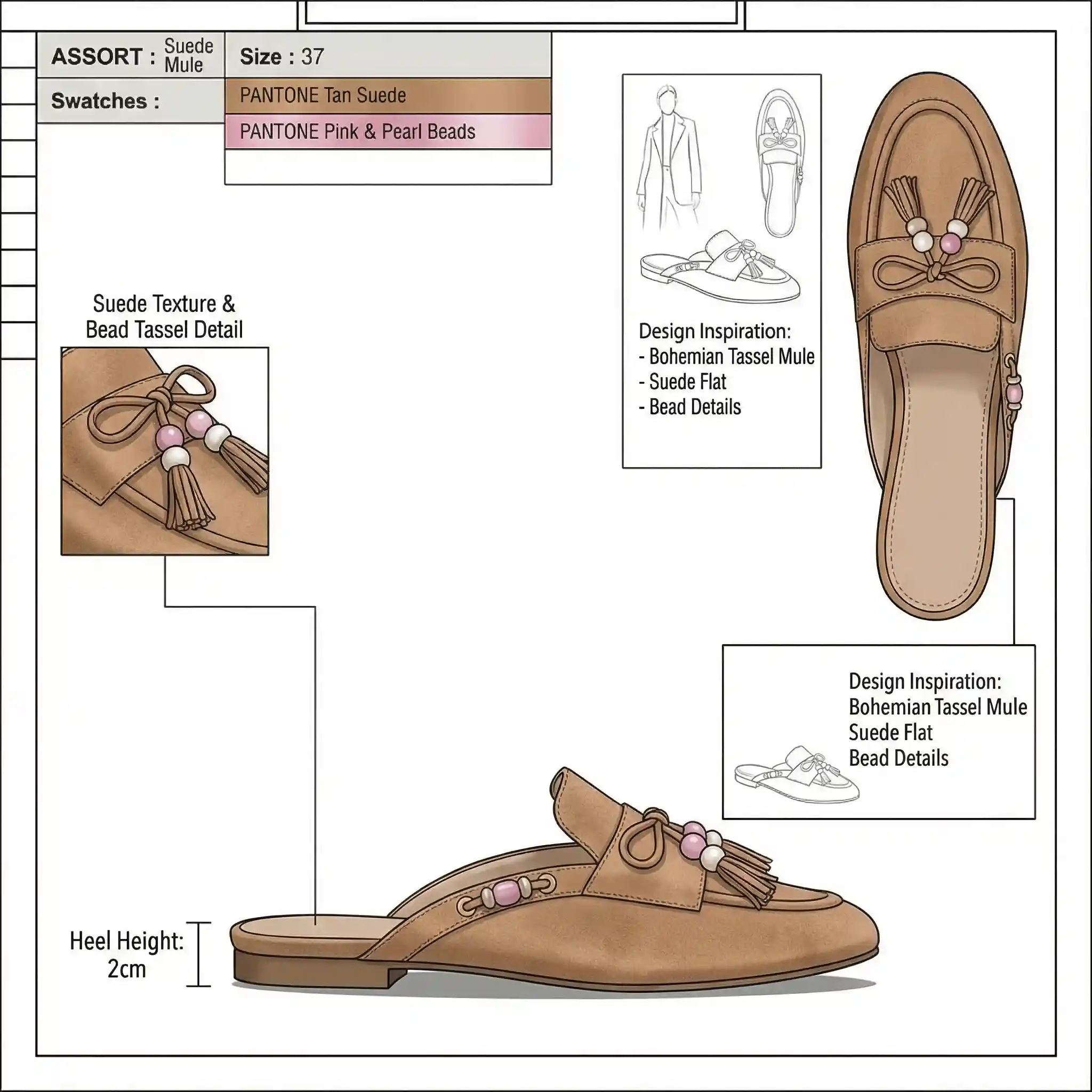
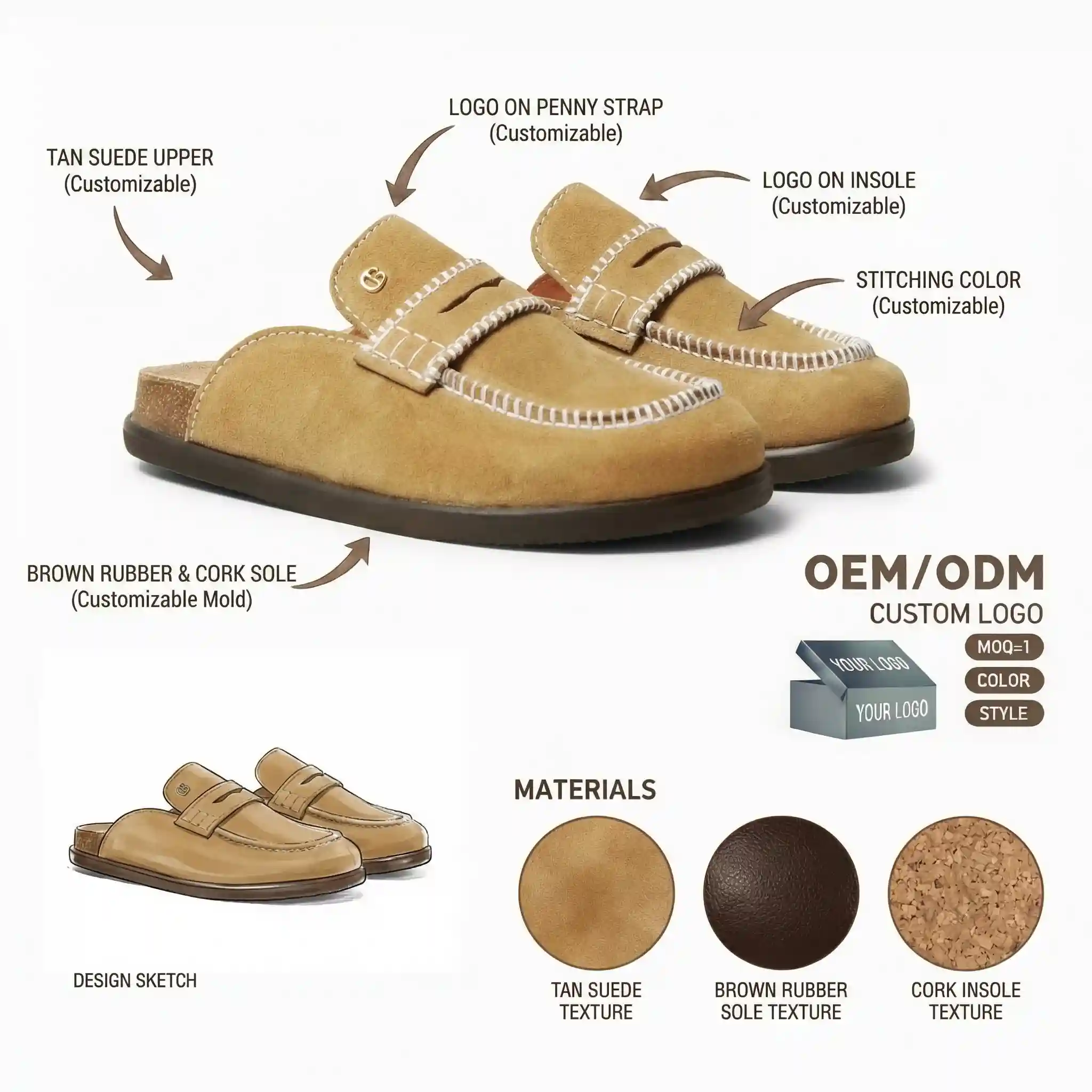


Eco-Friendly Shoe Materials Products Custom Solutions,
Top Selling Products



- Related Blog
- Reviews
- Reviews
