
Supportive Casual Shoes Wholesale Manufacturer - Quality Footwear
As a manufacturer and wholesale supplier, I offer Supportive Casual Shoes that blend comfort with durable everyday wear. Built for team members, customers, and franchise stores, these shoes deliver all-day arch support, a cushioned EVA midsole, and a breathable knit or suede upper with a protective toe cap. The lightweight outsole provides steady grip and shock absorption, reducing fatigue during long shifts or busy retail days. I offer ODM/OEM options for logo customization, colorways, and packaging to align with your brand. Minimum order quantities are competitive, and I can tailor lead times to your stock planning. You’ll find reliable consistency across batches, strict QC, and scalable production to meet growing wholesale demand. If you’re seeking a dependable product line that sells well and reduces returns, I’m here to discuss terms, samples, and collab opportunities with manufacturers and retailers.


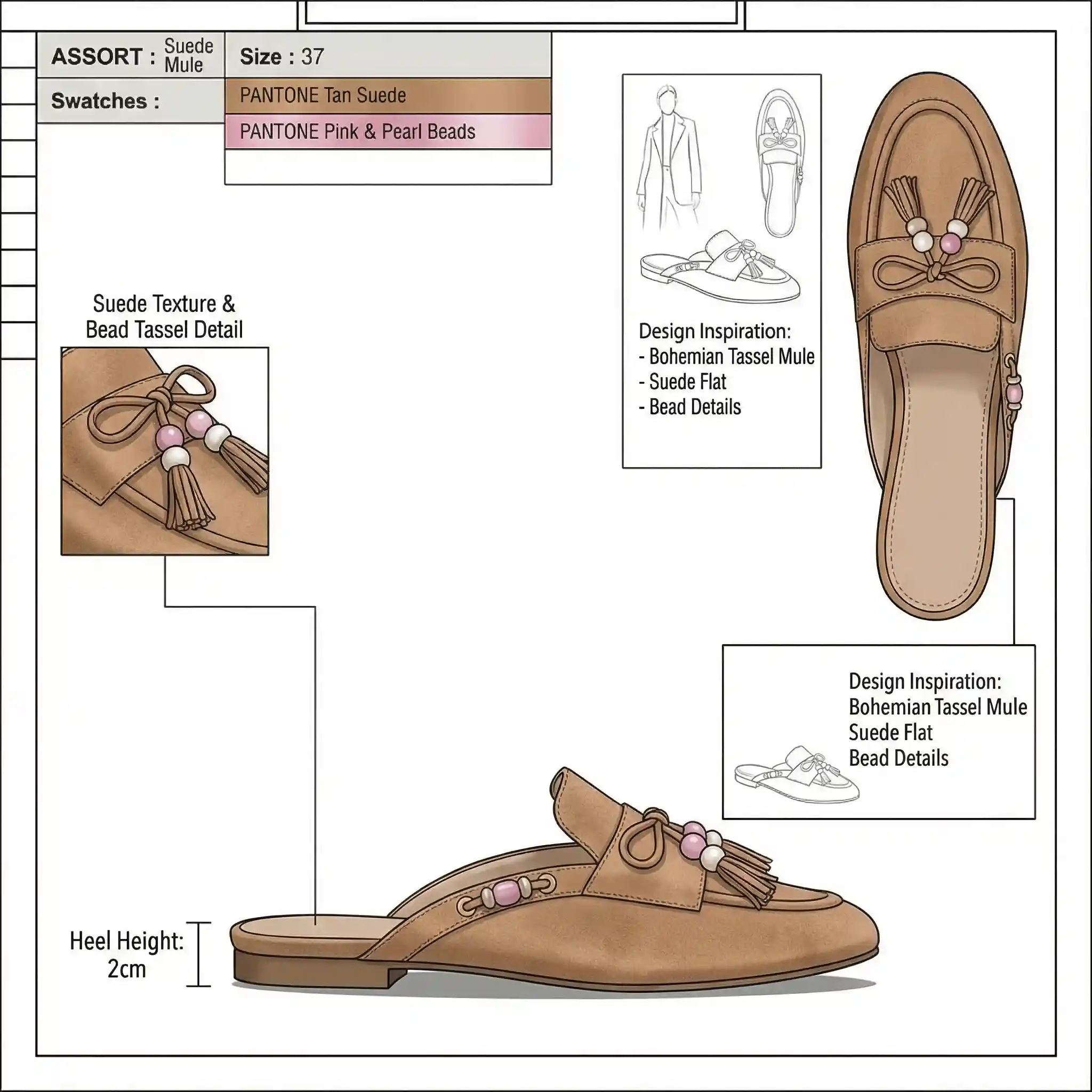
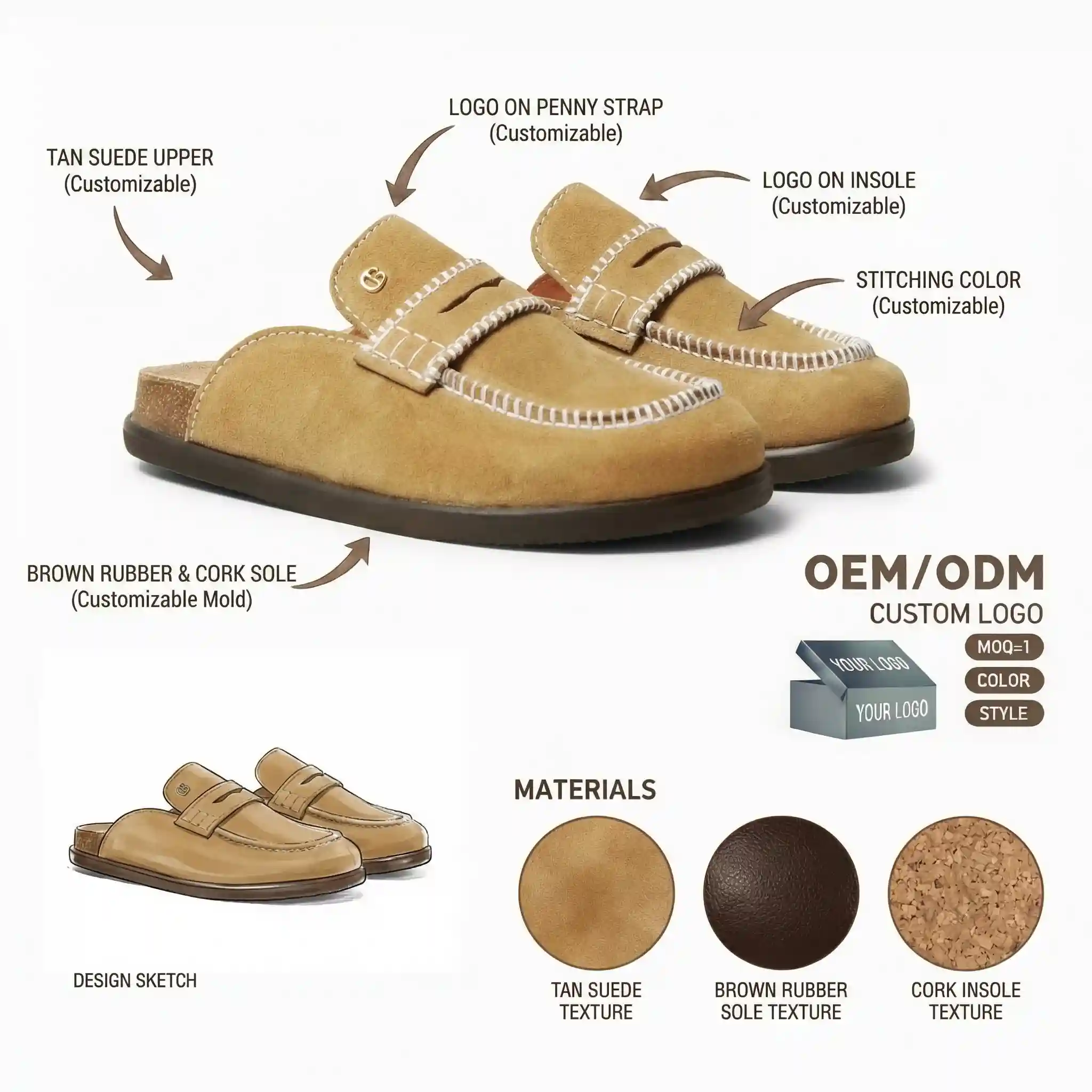

Supportive Casual Shoes Now Trending Where Service Meets Innovation
The latest wave of supportive casual shoes blends comfort, arch support, and everyday durability with a service-first mindset. Buyers want footwear that cushions long days and adapts to diverse climates, while suppliers turn specs into reliable, scalable products quickly. In this connected market, service drives innovation from concept to mass production. This Chengdu-based manufacturer delivers ergonomic designs, breathable uppers, and responsive midsole technologies that stay light yet protective. Clients can customize materials, colors, and embroidery, with fast samples and a streamlined NPI. Transparent QA and compliance docs help global buyers meet regional standards. For global procurement teams, the value is resilient supply, ethical manufacturing, and sustainable choices. The right partner offers scalable capacity, agile change management, and consistent quality for both small pilot runs and large ongoing orders. If you seek footwear that blends comfort with service-led innovation, consider this approach for your next project.
{ Supportive Casual Shoes Now Trending Where Service Meets Innovation}
| Dimension | Description | Comfort | Support Type | Material | Region Focus | Trend Index |
|---|---|---|---|---|---|---|
| Cushioning System | Multi-layer foam with memory foam topper | 9.2 | Heel-to-toe | EVA foam, mesh | Global | 86 |
| Slip-Resistance | Non-slip outsole with rubber tread | 8.4 | Moderate arch support | Rubber, TPR | North America | 72 |
| Breathability | Perforated upper with moisture-wicking lining | 8.9 | Neutral footbed | Upper: knit mesh; Insole: EVA | Europe | 66 |
| Durability | Reinforced stitching, abrasion-resistant outsole | 7.6 | Light support | Leather-like synthetic, rubber | Asia-Pacific | 61 |
| Adaptive Fit | Stretch upper with dynamic lacing system | 9.1 | High arch support | Textile, memory foam | Global | 90 |
| Usage Scenario | Casual office-to-street footwear | 8.3 | Moderate heel lift | Mesh, synthetic leather | Global | 78 |
Related Products


Supportive Casual Shoes Where Innovation Meets 2025 From Concept to Delivery
Top Selling Products


- Related Blog
- Reviews
- Reviews
