
Wholesale Leather Wedge Sandals Manufacturer
We craft leather wedge sandals that blend durability with chic design, built for everyday wear and strong retail appeal. As a Wholesale Manufacturer, we offer competitive pricing, flexible MOQs, and reliable lead times. Our leather wedge sandals start with full-grain leather, stitched uppers, and a cushioned footbed that makes all day wear smooth. The outsole is anti-slip and lightweight, giving stability on multiple terrains. We use careful craftsmanship, so these sandals hold up under busy seasons. We can customize straps, colors, and logo embroidery for private labeling, ideal for store chains and online retailers. Wholesale buyers appreciate consistent quality, quick samples, and dependable shipping. If you're seeking a dependable partner, we invite you to contact us for samples, bulk pricing, and OEM options. Let these leather wedge sandals become your best selling item this season.
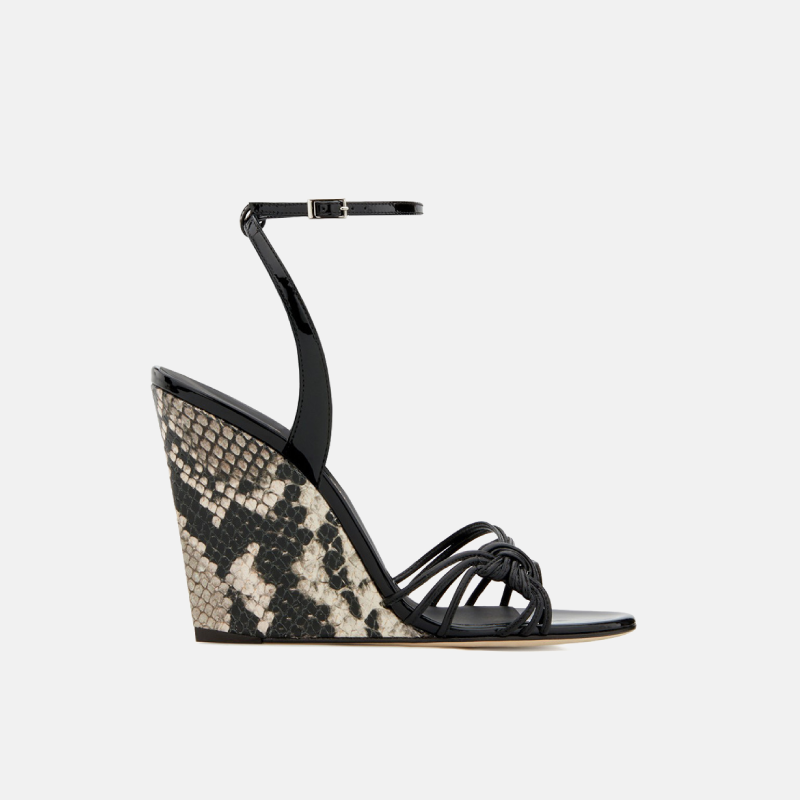
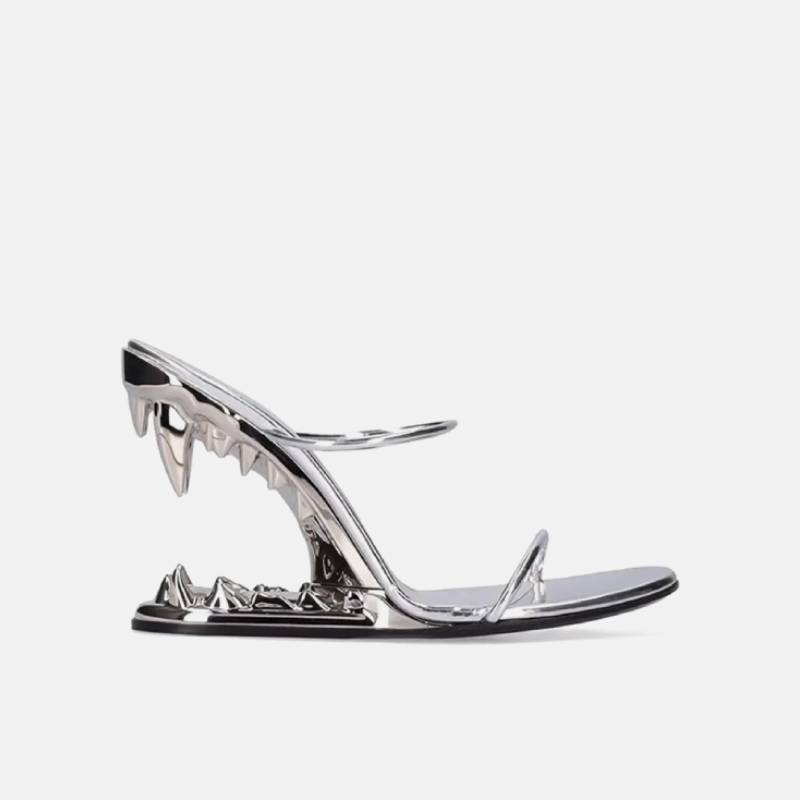
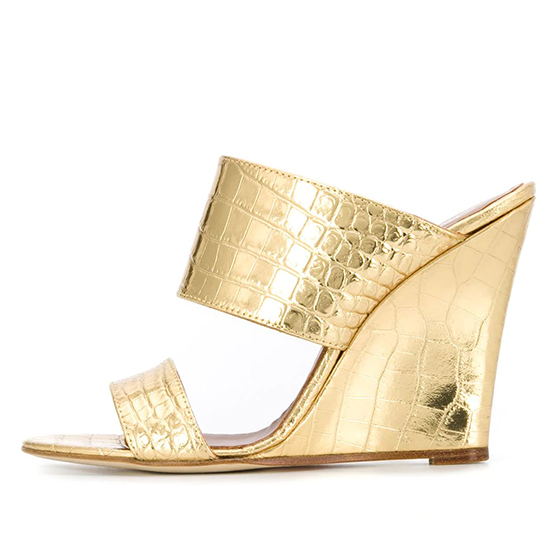
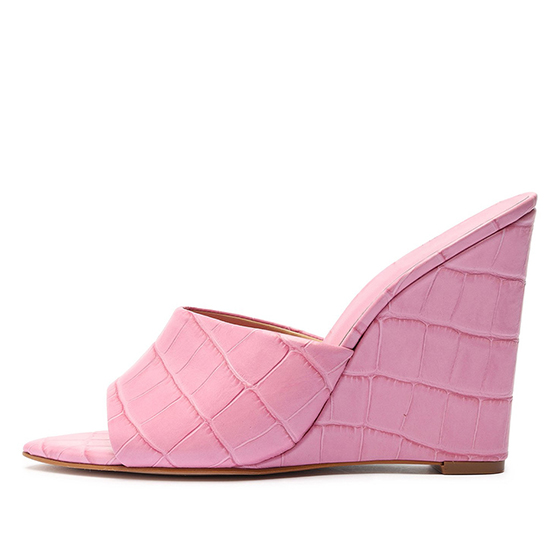
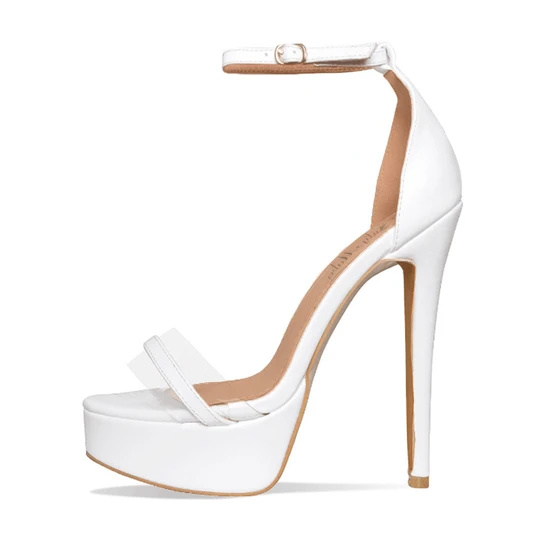
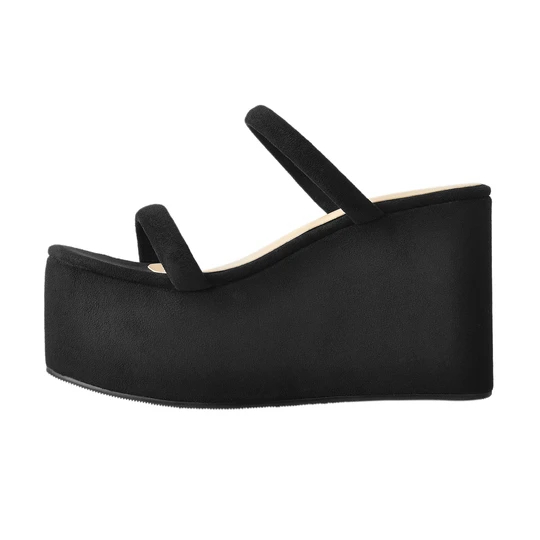
leather wedge sandals Application Service
This leather wedge sandals application service provides end-to-end support for global buyers seeking stylish, durable footwear. It starts with material selection, pairing full-grain or nubuck leather with comfortable linings and robust outsoles such as rubber or EVA for a balanced feel and wear resistance. Wedge heights can be customized from subtle to bold, while strap configurations, closures, and toe shapes are tailored to regional preferences, ensuring a consistent fit across markets. From concept to samples, design teams translate ideas into production-ready specifications, including sizing, colorways, and packaging concepts. On the production side, the service offers a scalable manufacturing pipeline with inline quality control and final inspections aligned to international AQL standards. Private label or OEM options, eco-friendly dyeing and finishing, and compliance with global regulations help reduce procurement risk. Lead times and minimums are optimized through modular sourcing and meticulous planning, while documentation, labeling, and logistics support enable a smooth, on-time global rollout for seasonal collections.
{ leather wedge sandals Application Service}
| Product ID | Material | Color | Size Range | Application Stage | Service Type | Lead Time (days) | Region | Quality Score | Inspection Result | Last Update |
|---|---|---|---|---|---|---|---|---|---|---|
| LW-1001 | Full-grain cowhide leather | Black | US 6-9; EU 39-42 | Initial Design | Customization | 14 | North America | 4.7 | Pass | 2025-12-03 |
| LW-1002 | Vintage suede leather | Tan | EU 39-41 | Prototype | Restoration | 18 | Europe | 4.5 | Pass | 2025-11-08 |
| LW-1003 | Nappa leather | Brown | US 7-10 | Manufacturing | Customization | 21 | North America | 4.9 | Pass | 2025-12-19 |
| LW-1004 | Full-grain cowhide | Cognac | EU 38-41 | Quality Check | Repairs | 7 | Europe | 4.2 | Pass | 2026-03-10 |
| LW-1005 | Smooth pebble leather | Black | US 5-8 | Design | Customization | 11 | North America | 4.4 | Pass | 2026-02-28 |
| LW-1006 | Synthetic leather (faux) | White | US 6-9 | Proto Testing | Maintenance | 9 | Asia Pacific | 4.6 | Pass | 2026-01-15 |
| LW-1007 | Leather suede | Taupe | EU 40-44 | Final Review | Custom Fit | 13 | Europe | 4.3 | Pass | 2026-04-22 |
| LW-1008 | Italian leather | Chestnut | US 8-11 | Pre-Launch | Customization | 16 | North America | 4.8 | Pass | 2026-05-09 |
Related Products
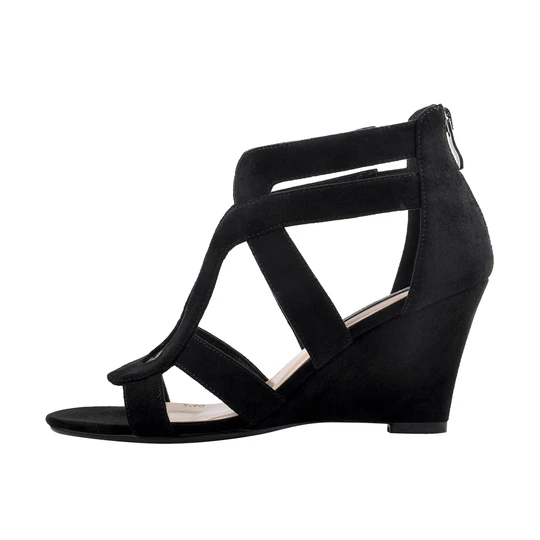


leather wedge sandals Industry Leaders Where Innovation Meets 2025
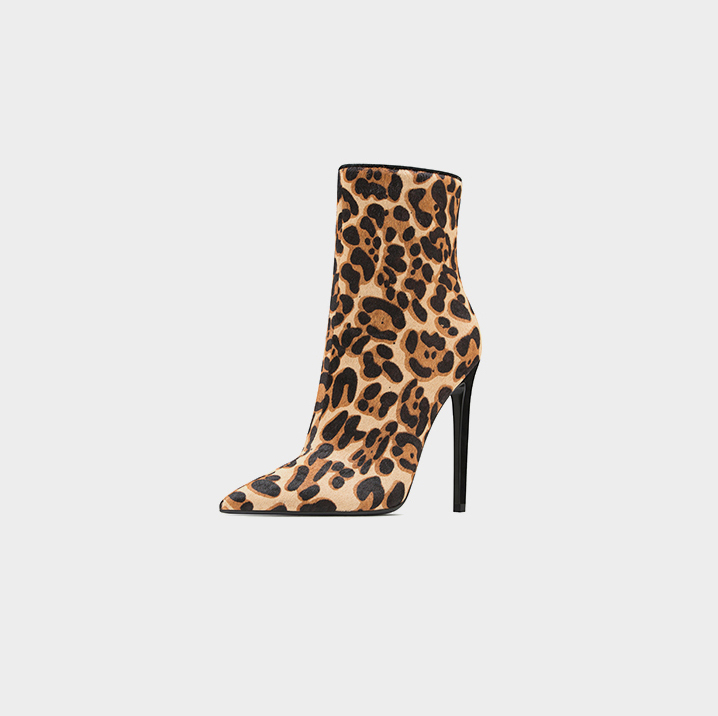
Top Selling Products


- Related Blog
- Reviews
- Reviews
