
Barefoot Ballet Flats Wholesale Manufacturer - Quality Flat Shoes
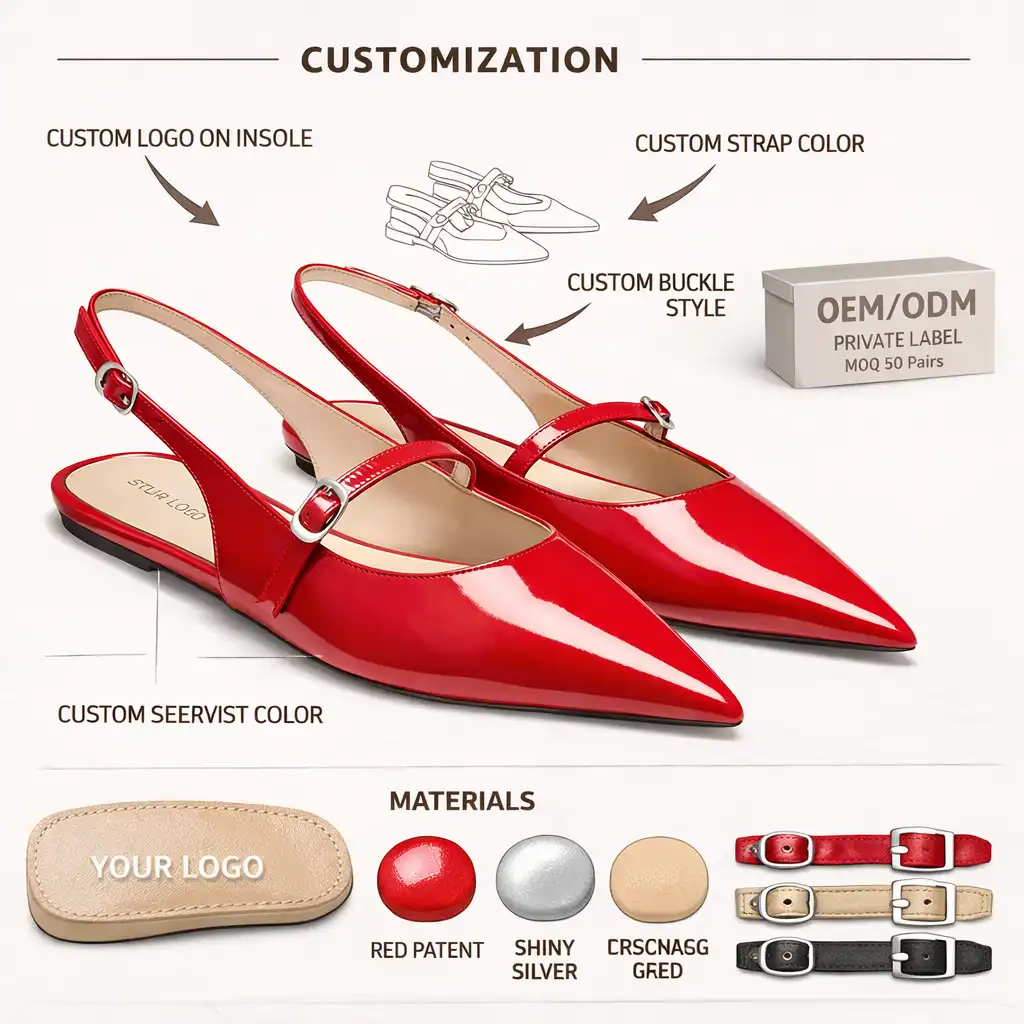
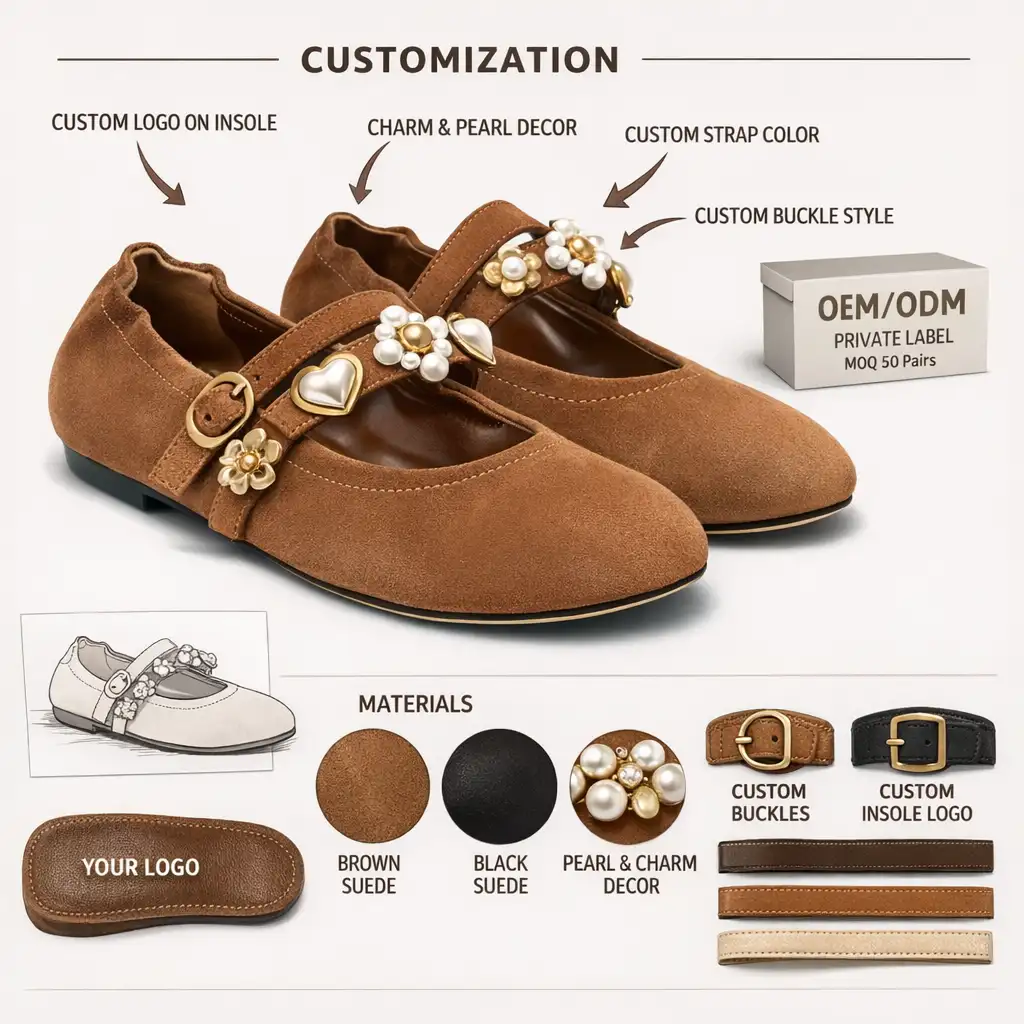
I’m a dedicated footwear Manufacturer, delivering Barefoot Ballet Flats that blend comfort and style for daily wear. If you’re building a wholesale lineup, our program offers Wholesale pricing, flexible MOQs, and private-label options to fit retailers of every size. The Barefoot Ballet Flats feature soft, breathable uppers, a flexible sole, and cushioned insoles that feel like walking barefoot yet protect the foot. We use durable stitching and non-slip outsoles for shop-floor reliability, plus easy-care fabrics for busy customers. I can customize colors, materials, and packaging to align with your brand, and I offer rapid production cycles and dependable lead times. With direct-from-manufacturer sourcing, you’ll enjoy better margins and clearer communication. Let’s discuss volume discounts, shipping terms, and how we can tailor a program that matches your catalog needs and wholesale strategy.
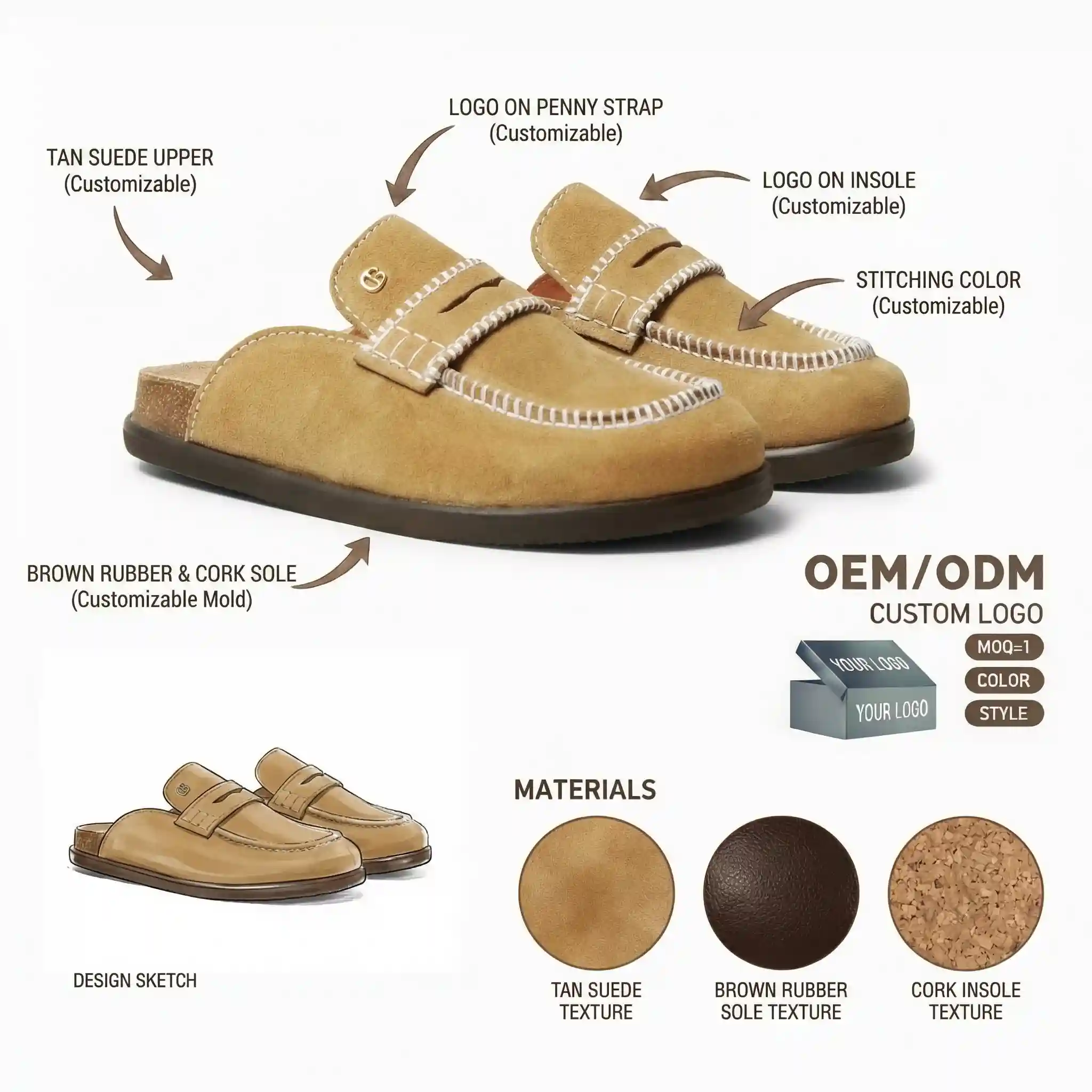

Barefoot Ballet Flats in 2025 Ahead of the Curve
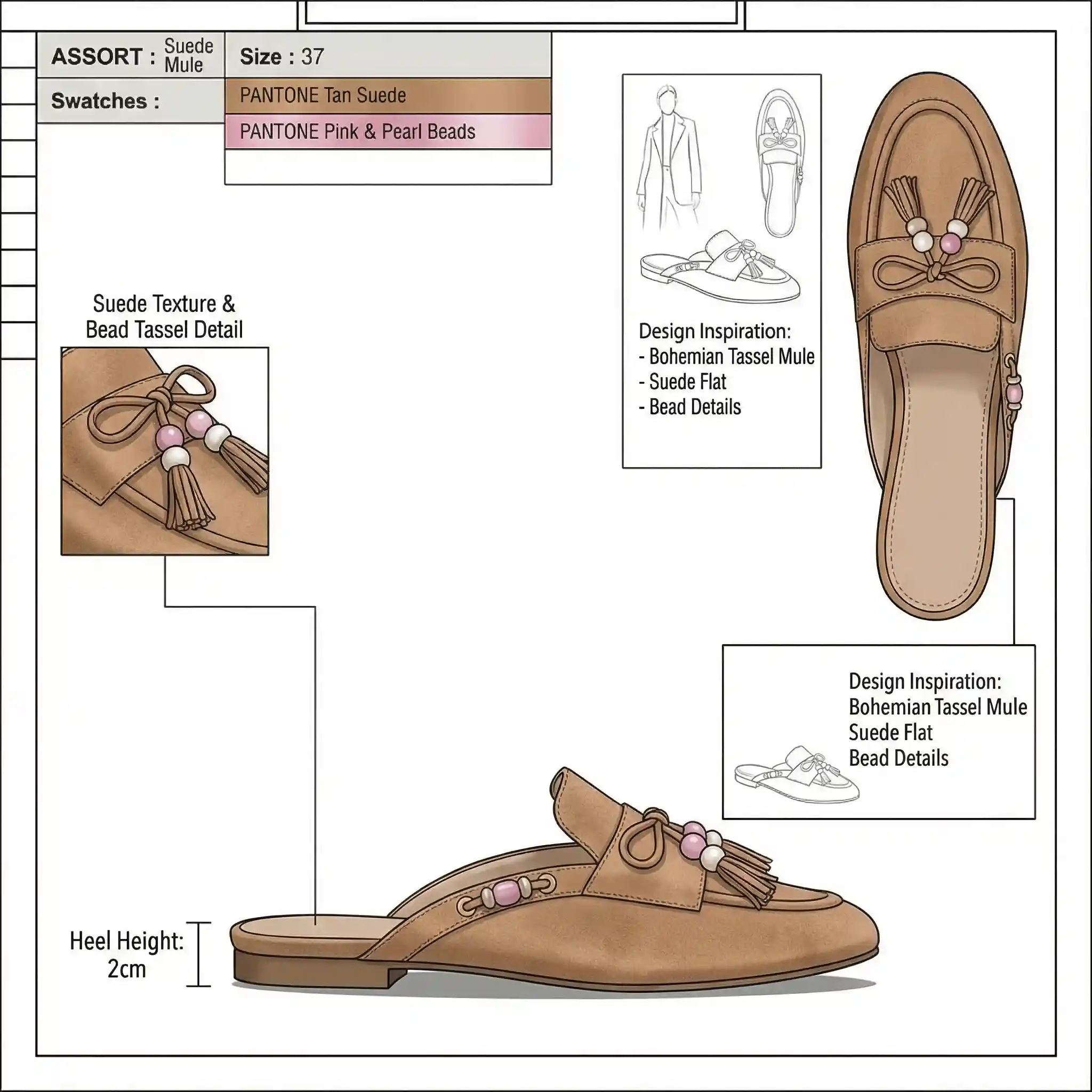
Barefoot ballet flats redefine 2025 fashion by blending a barefoot feel with graceful silhouettes. Buyers want a light, flexible shoe that supports daily movement, with zero-drop profiles and breathable uppers. Materials matter: soft leather alternatives, knit uppers, and recycled fibers that look contemporary and wear well. These flats deliver all-day comfort for office, travel, and leisure, with color palettes that work across global markets. Procurement success comes from a trusted partner who can scale production, customize uppers, insoles, and outsoles, and guarantee consistent fit. Transparent lead times, rapid sampling, and flexible MOQs help align with seasonal calendars. Certifications for safety and labor standards, plus sustainable packaging, enable compliance across markets. A reliable supplier offers private labeling and efficient logistics to keep inventories steady worldwide.
{ Barefoot Ballet Flats in 2025 Ahead of the Curve}
| Model | Upper Material | Toe Style | Lining | Insole | Sole | Weight per Shoe (g) | Heel Height (mm) | Breathability (1-5) | Flexibility (1-5) | Arch Support | Size Range US | Colorways |
|---|---|---|---|---|---|---|---|---|---|---|---|---|
| Model A | Knit Mesh | Round | Cotton Blend | Memory Foam | EVA Foam | 140 | 0 | 5 | 5 | Medium | 5-11 | Black, Nude, Navy |
| Model B | Vegetable-Tanned Leather | Almond | Microfiber | Latex | Rubber | 160 | 2 | 3 | 4 | Low | 5-12 | Black, Beige |
| Model C | Canvas Cotton | Round | Cotton | EVA | Rubber | 150 | 0 | 4 | 5 | Medium | 6-12 | White, Black, Olive |
| Model D | Microfiber Suede | Almond | Polyester | Gel Memory Foam | TPR | 170 | 0 | 4 | 4 | Medium-High | 5-10 | Nude, Black, Blush |
Related Products


Barefoot Ballet Flats Factory Sets the Industry Standard
Top Selling Products





- Related Blog
- Reviews
- Reviews
