
Flat Ankle Boots Wholesale Manufacturer - Fashion Footwear
From my side, I present our flat ankle boots line designed for wholesale orders. As a direct Manufacturer, I can offer factory-direct pricing and flexible MOQ for your store. Our flat ankle boots blend comfort and edge, with cushioned insoles, durable outsoling, and a lightweight feel. For Wholesale partners, we understand your need for dependable supply and quick lead times; we ship worldwide and can adjust colors and sizes to match your demand. We do careful quality control from raw materials to final packing, so your customers gets only best. I can tailor OEM/ODM options, packaging, and branding to fit your brand voice. The design is versatile for fashion-forward retailers and e-commerce alike. If you are looking for reliable supply, Wholesale discounts, and a true Manufacturer who stands behind every pair, let's talk about quantities and shipping terms today. I believe this flat ankle boots can elevates your catalog.


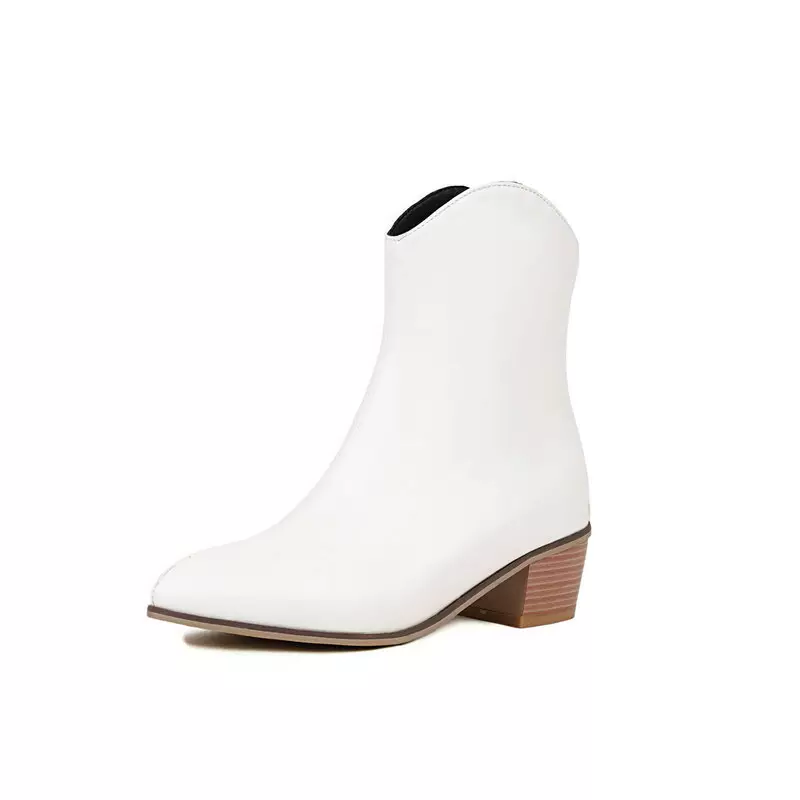
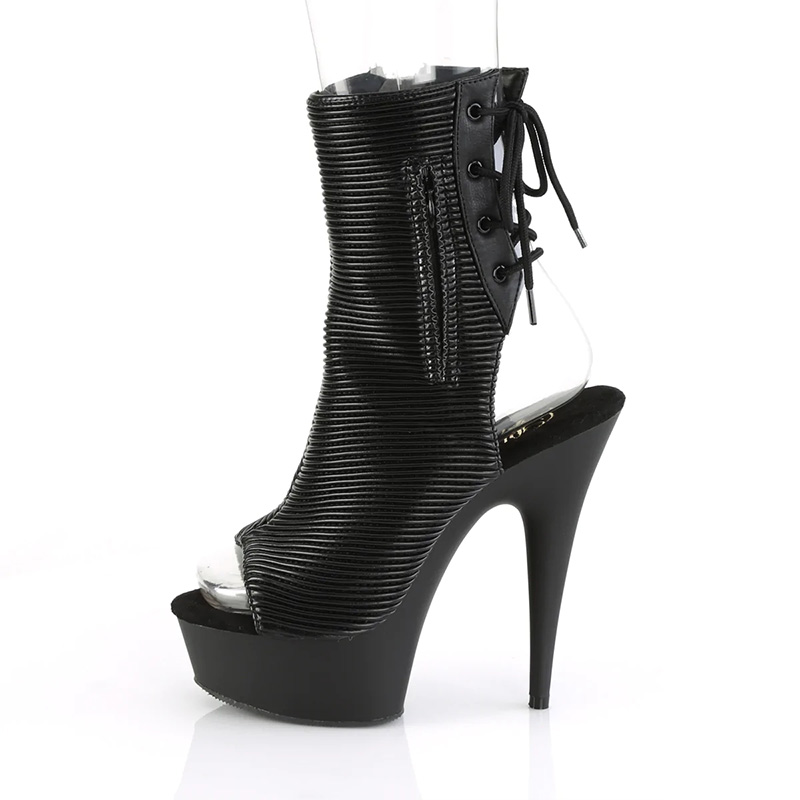
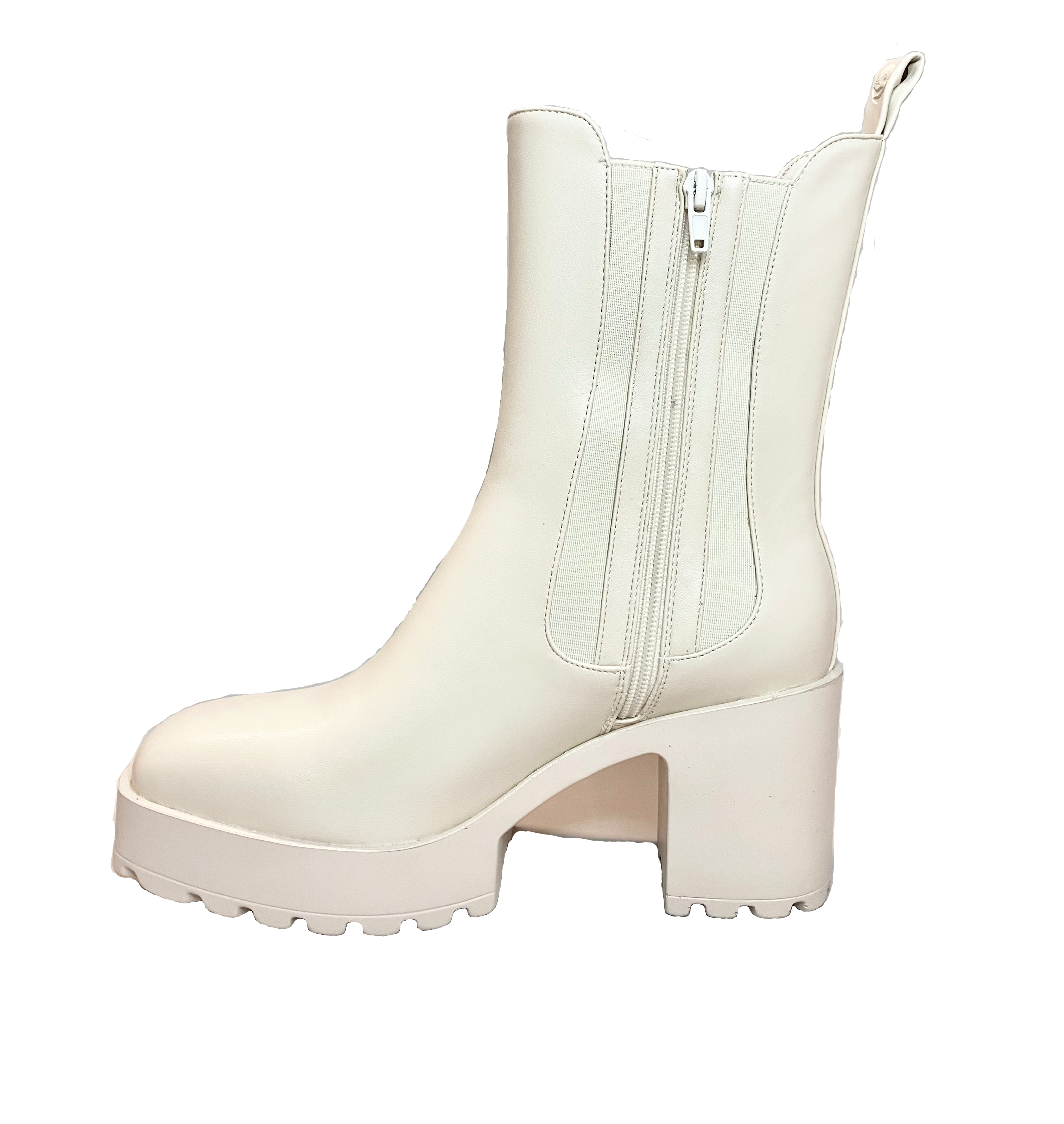
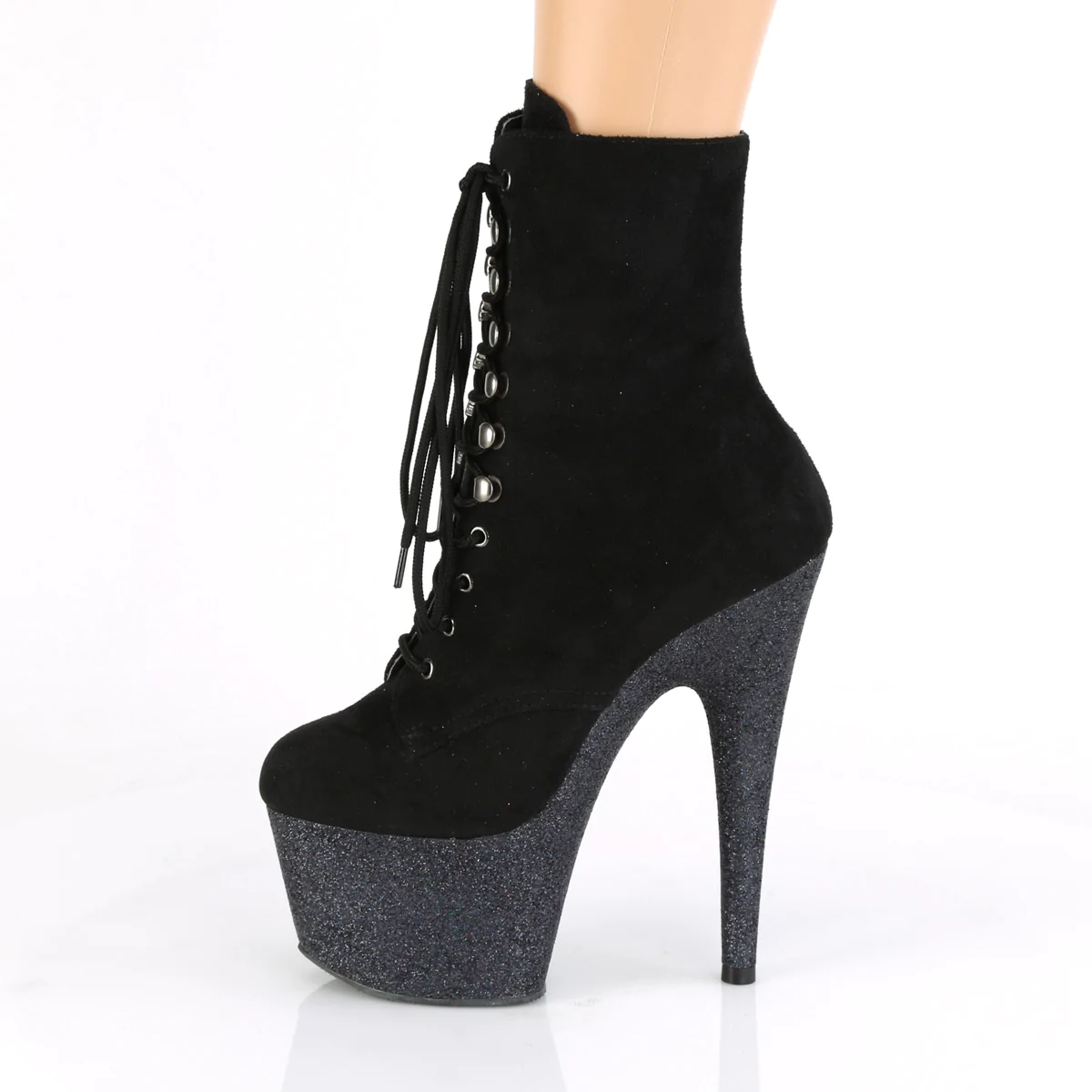
flat ankle boots Industry Leaders Your Trusted OEM Partner
Flat ankle boots are a seasonal staple, and top OEM partners help brands scale quickly without sacrificing style. A leading footwear manufacturer offers end-to-end capabilities—from concept and last development to upper materials, linings, insoles, outsoles, finishing, and compliant labeling. With in-house tooling, rapid prototyping, and a robust supplier network, designs are tailored to regional tastes while enforcing strict quality control at every stage. Certifications such as ISO 9001, OEKO-TEX, REACH, and CPSIA support safe, responsible production. Global buyers enjoy flexible MOQs and scalable capacity for both small launches and large seasonal runs. Value-added services include design support, private labeling, packaging customization, and sizing/last development. Transparent lead times, proactive planning, and rigorous QA help minimize risk and ensure on-time delivery. Emphasizing sustainable sourcing and ethical audits, a trusted OEM partner aligns manufacturing with brand standards, accelerating time-to-market and delivering consistent quality across regions.
| Region | Factory Size (m2) | Annual Output (pairs) | Lead Time (days) | Certifications | OEM Capability Score | Material Used | Design Support | Average MOQ | Warranty (years) | Energy Rating | ESG Score | Notes |
|---|---|---|---|---|---|---|---|---|---|---|---|---|
| Asia-Pacific | 42,000 | 1,200,000 | 25 | ISO 9001, ISO 14001, SEDEX SMETA | 92 | Synthetic Leather + Microfiber | Comprehensive | 800 | 2 | A | 88 | In-house cutting, stitching, outsole; 24/7 QC |
| Europe | 15,000 | 520,000 | 28 | ISO 9001, ISO 45001 | 89 | Full-grain Leather | High | 600 | 3 | A | 82 | Eco tanning partner; 100% water recycling; on-site lab testing |
| North America | 12,000 | 420,000 | 22 | ISO 9001, BSCI | 85 | PU Leather | Moderate | 700 | 2 | B | 79 | ODM design studio, rapid prototyping; on-demand tooling |
| Latin America | 8,000 | 180,000 | 30 | ISO 9001 | 78 | Textile + Rubber | Limited | 1000 | 1 | B | 72 | Low-carbon packaging; energy audits |
| Southeast Asia | 26,000 | 640,000 | 20 | ISO 9001, SMETA | 90 | Synthetic Leather, Canvas | High | 500 | 2 | A | 84 | Flexible tooling for ODM; supplier code of conduct |
| Global Hybrid | 18,000 | 350,000 | 26 | ISO 9001, SA8000 | 83 | Hybrid Leather & Textile | Moderate | 750 | 2 | A | 76 | Sustainable packaging options; circular economy initiatives |
Related Products
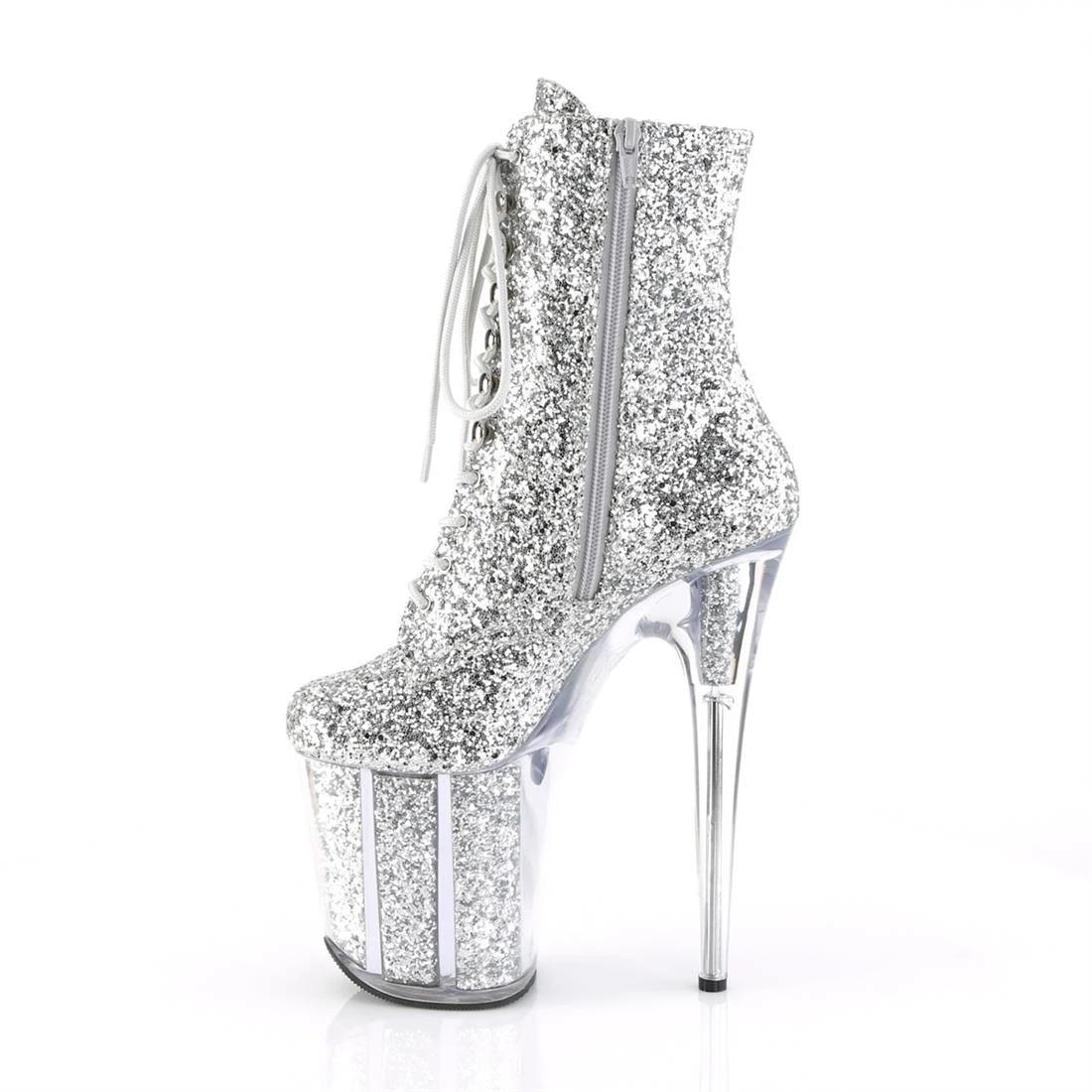
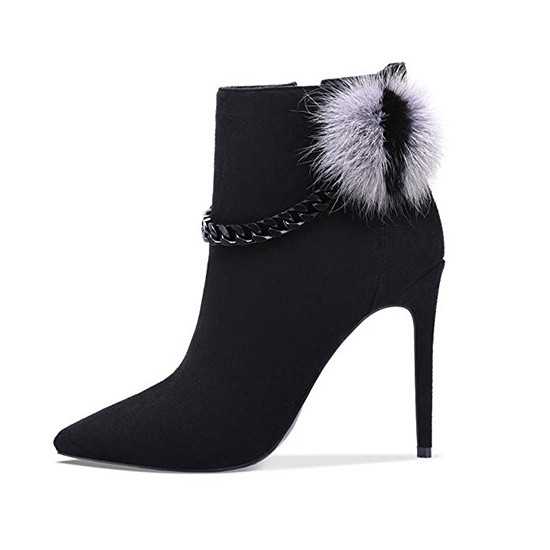
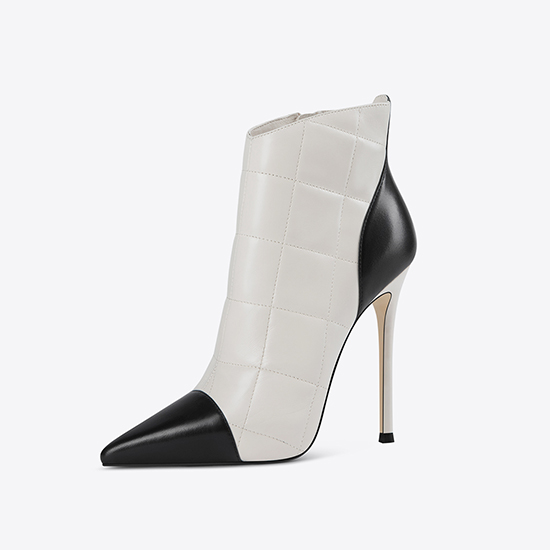
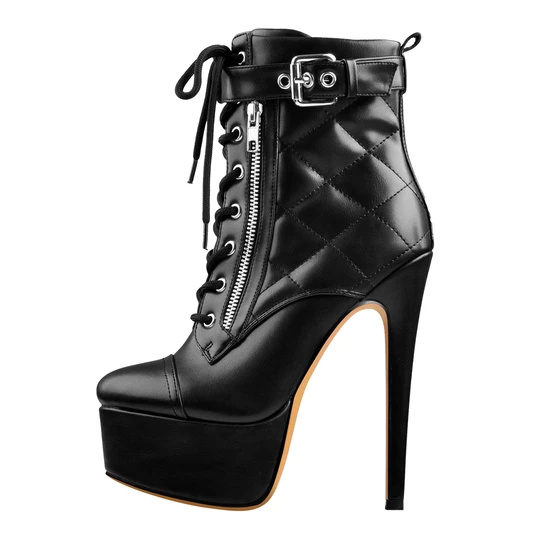
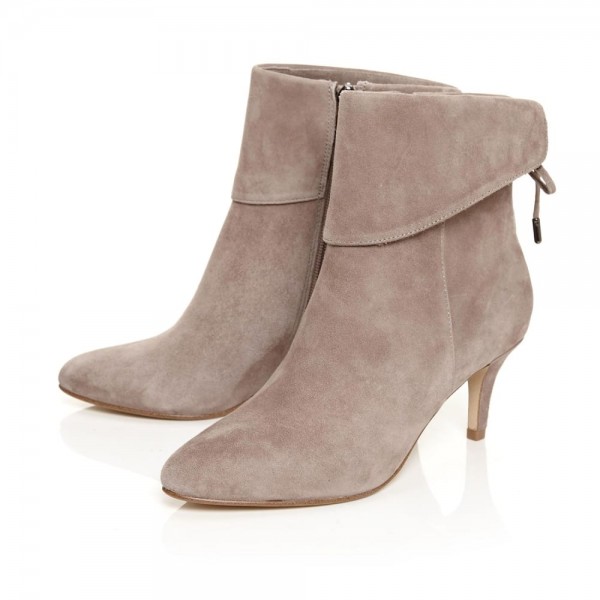
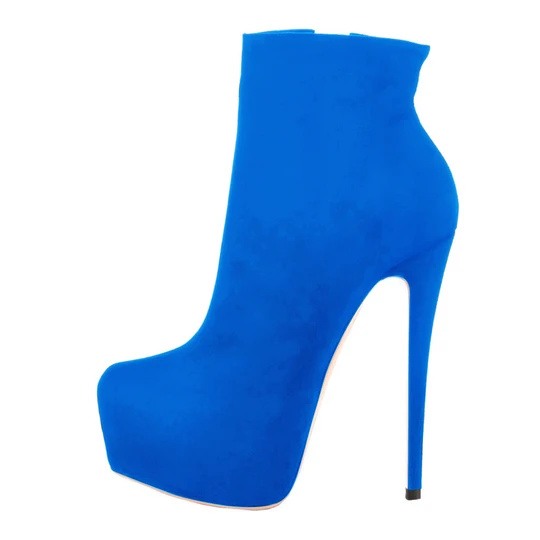
flat ankle boots Manufacturer Your Trusted OEM Partner
Top Selling Products



- Related Blog
- Reviews
- Reviews
