
Shoe Rubber Wholesale Manufacturer - Premium Soles & Materials
As a direct Manufacturer, I provide Shoe Rubber that stands up to rugged daily use. We offer Wholesale pricing for bulk orders, making it easy for footwear brands, OEMs, and distributors to scale production without sacrificing quality. Our Shoe Rubber compounds deliver excellent wear resistance, grip, and abrasion resistance, with consistent durometer and color options. I can tailor hardness, shore A ranges, and tread patterns to match your outsole design. We source raw materials with strict quality control and provide stable supply chains, reducing downtime. MOQ is friendly for startups yet scalable for large orders. Our team can support private labeling, packaging options, and testing data like slip resistance and abrasion tests to meet regional standards. If you're seeking reliable supply, precise performance, and cost-effective Wholesale terms, let's discuss your needs. I’m here to help you optimize sourcing, cut costs, and ship on schedule, so your customers get durable footwear that lasts.

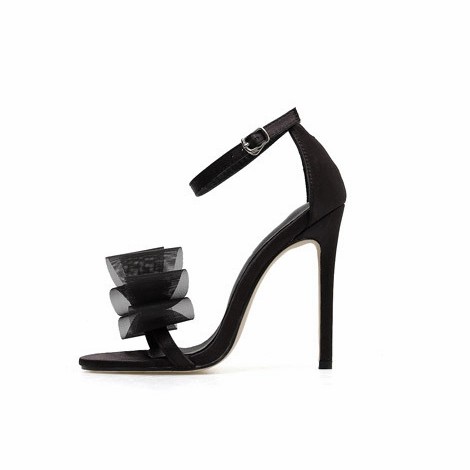
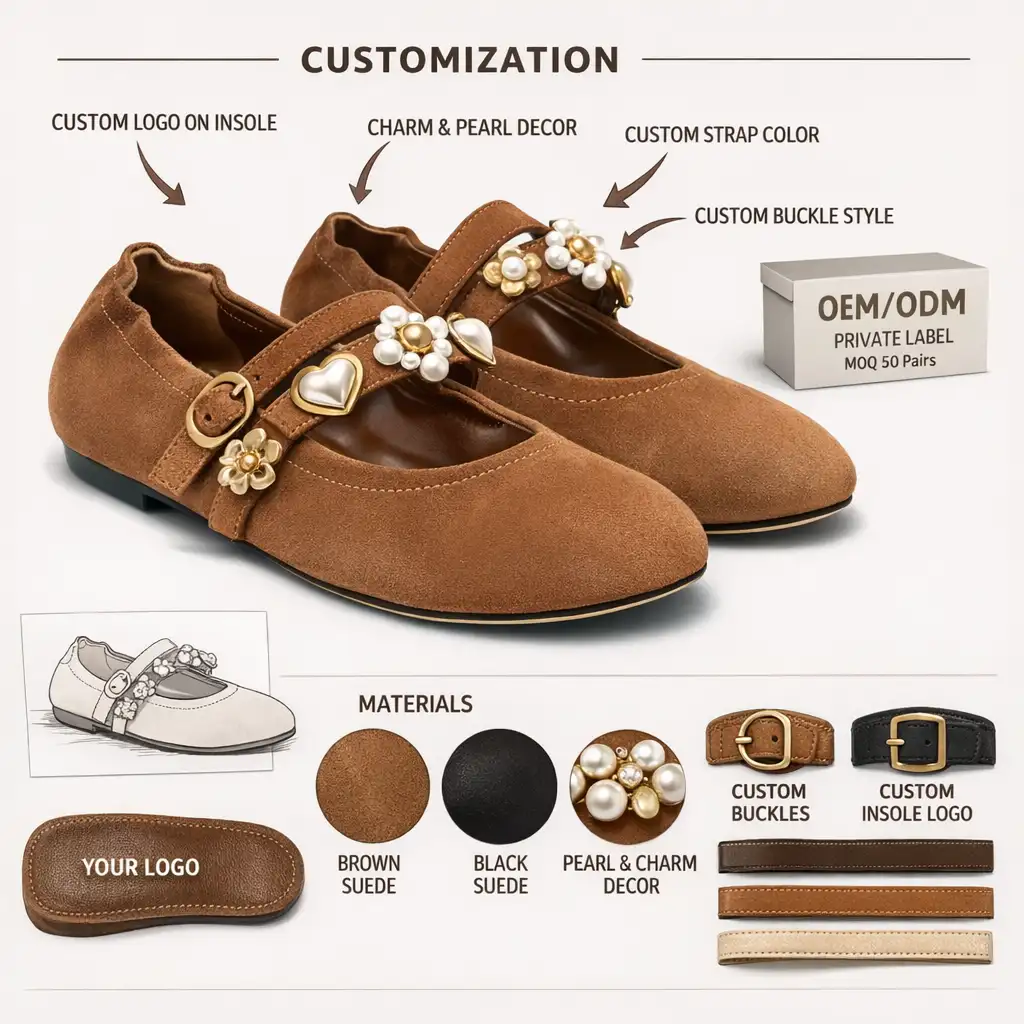
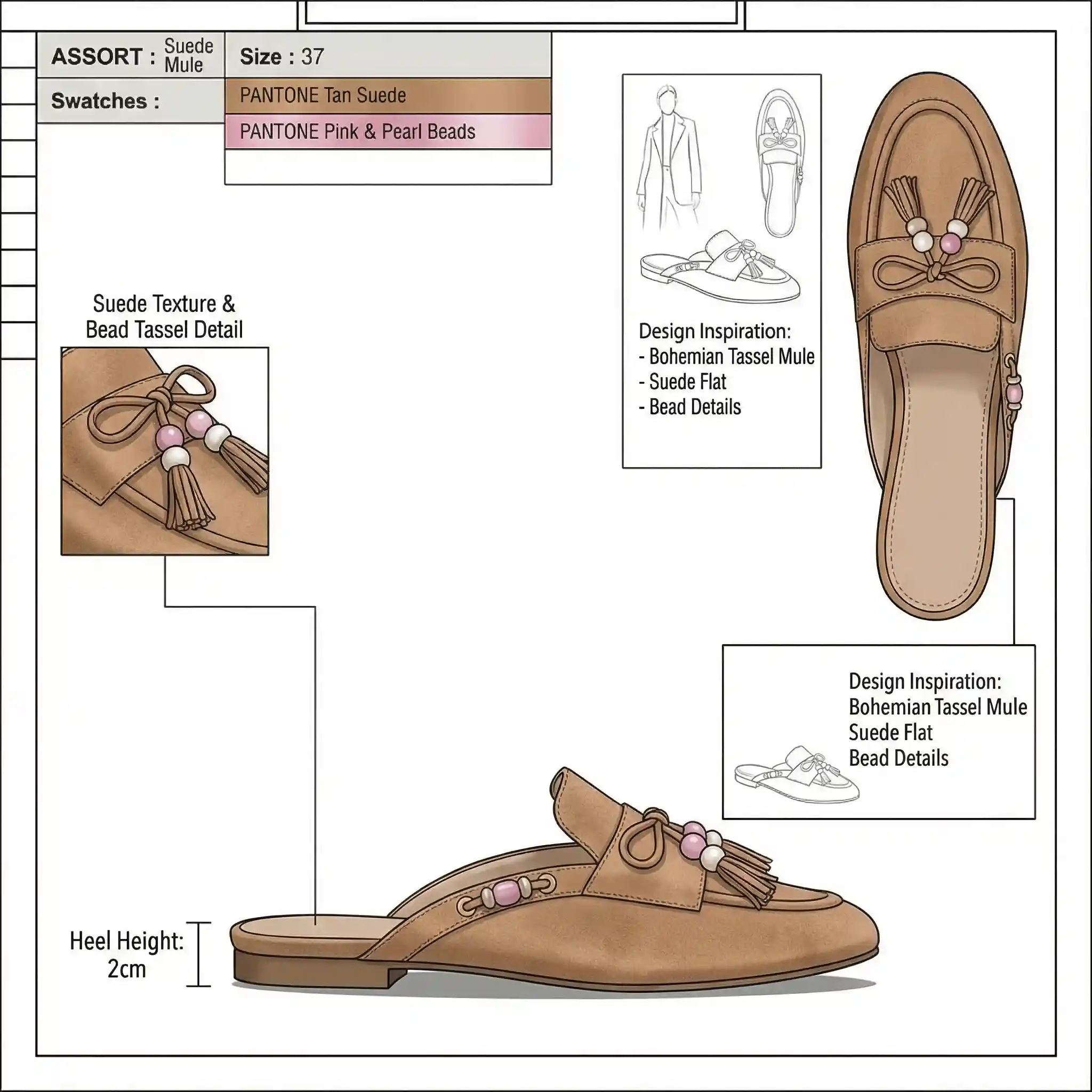
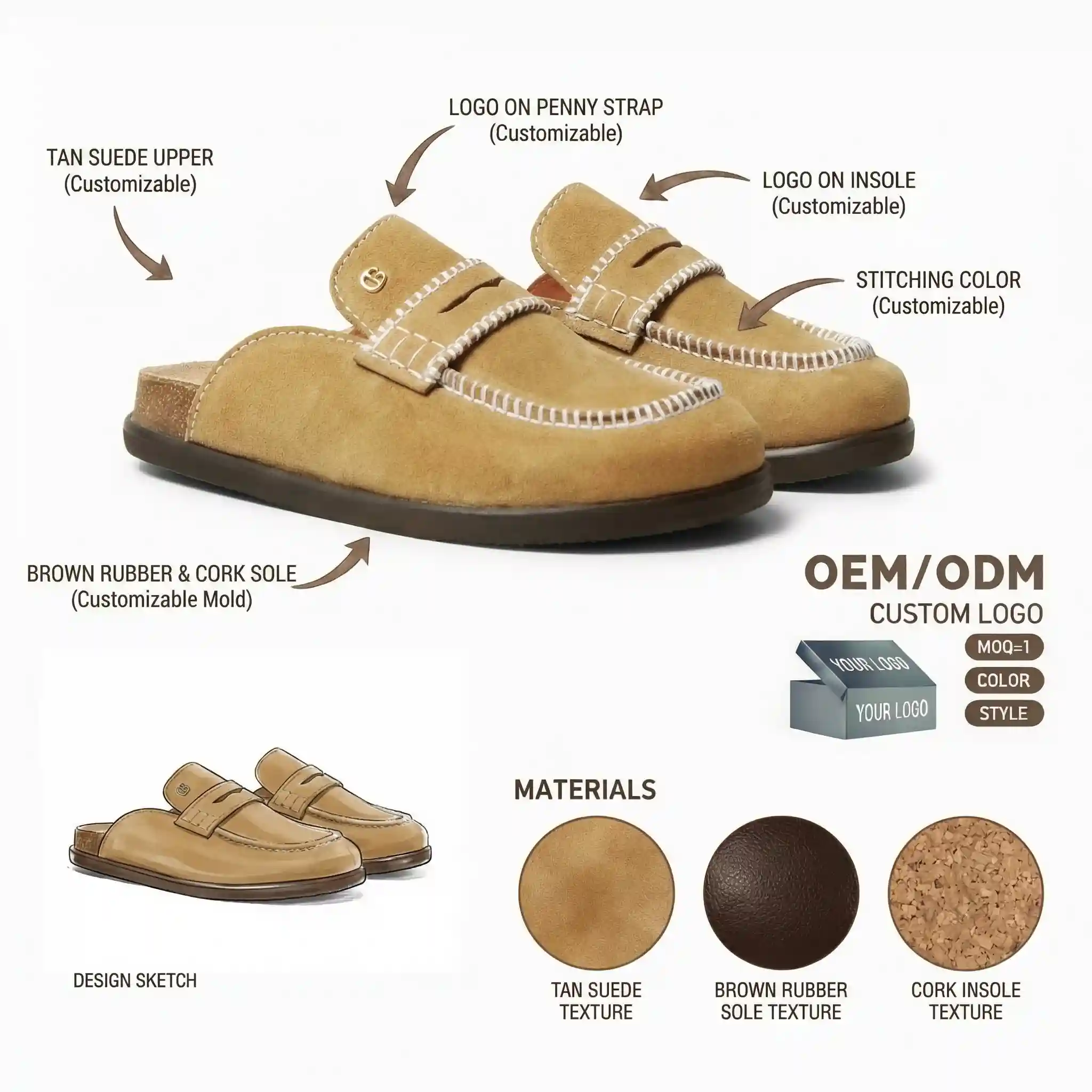

Shoe Rubber Is The Best For the Current Year
Shoe rubber remains the top choice for the current year due to its durability, grip, and adaptability. Rubber outsoles excel in abrasion resistance, wet and oily conditions, and energy return, while blends with synthetic rubbers and recycled content let you tailor stiffness, weight, and cost. This versatility suits work, sport, and casual footwear across climates and markets, delivering long wear life and predictable performance. Sourcing teams should prioritize rigorous evaluation and transparent supply chains. Seek standardized data for abrasion, slip resistance, heat aging, and chemical exposure; require material origin traceability and third-party certifications; and verify performance across a range of real-world conditions. Consider recycled or bio-based rubbers to meet sustainability goals, and assess total cost of ownership, including lead times, freight, and warranties. A reliable partner aligns product performance with regional regulations and market demand.
Shoe Rubber Is The Best For the Current Year
| Region | Rubber Type | Shoe Category | Durability (years) | Flexibility | Water Resistance (mm H2O) | Tear Resistance (N) | Recyclability (%) | CO2 Footprint (kg CO2e per pair) | End-of-Life Scenario |
|---|---|---|---|---|---|---|---|---|---|
| North America | Natural Rubber | Running | 5 | 78 | 8000 | 25 | 60 | 6.5 | Recycled into new components |
| Europe | SBR (Styrene-Butadiene Rubber) | Casual | 4.5 | 76 | 7000 | 22 | 62 | 6.8 | Energy recovery |
| Asia-Pacific | Natural Rubber (NR) | Hiking | 6.0 | 72 | 9000 | 28 | 55 | 6.0 | Recyclable + energy recovery |
| Africa | EpDM | Workwear | 5.5 | 65 | 11000 | 30 | 50 | 7.2 | Landfill with advanced recycling |
| South America | Natural Rubber (NR) | Fashion | 3.8 | 60 | 6000 | 18 | 40 | 5.5 | Recycled into insulation |
| Europe | Nitrile Rubber (NBR) | Running | 5.2 | 82 | 7500 | 26 | 68 | 6.2 | Circular programs |
| Asia-Pacific | NR with silica | Casual | 4.7 | 74 | 6800 | 20 | 58 | 6.4 | Industrial recycling |
| North America | EpDM | Hiking | 6.3 | 69 | 10000 | 32 | 52 | 7.0 | Chemical recycling |
Related Products


Shoe Rubber Is The Best Leads the Global Market
Top Selling Products



- Related Blog
- Reviews
- Reviews
