
Customized Made Shoes Women - Wholesale Manufacturer Footwear
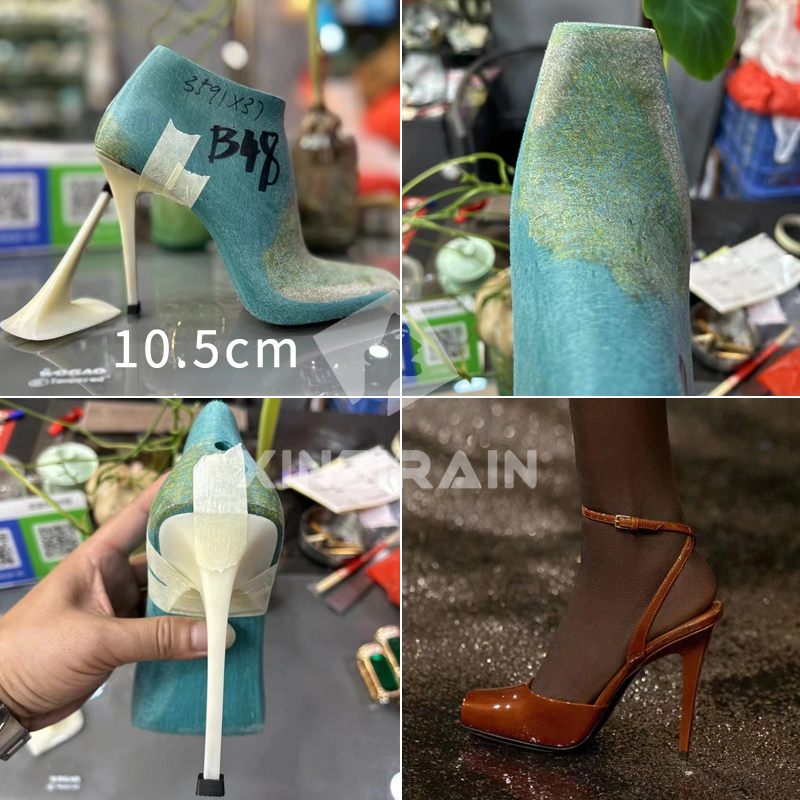
From my workshop to your shelves, I offer Customized Made Shoes Women crafted for comfort, durability, and style. As a trusted Wholesale Manufacturer, I partner with retailers and design houses to scale styles from timeless classics to trend-driven silhouettes. I listen to you: choose leathers, uppers, insoles, and colorways, specify sizes, and set packaging options. Lead times depend on order size, but I can offer rapid samples and flexible MOQ for first trials. We ship worldwide, with private labeling and full branding support included. Our production uses strict quality checks, ethical sourcing, and traceable materials, so you can stand behind the product. I handle the mass production with precision, ensuring consistent fit across batches and minimal defect rates. If you're seeking to expand your line with premium Customized Made Shoes Women, let's discuss your design brief, colorways, and size ranges. We deliver value, reliability, and scalable solutions for retailers and ecommerce brands.

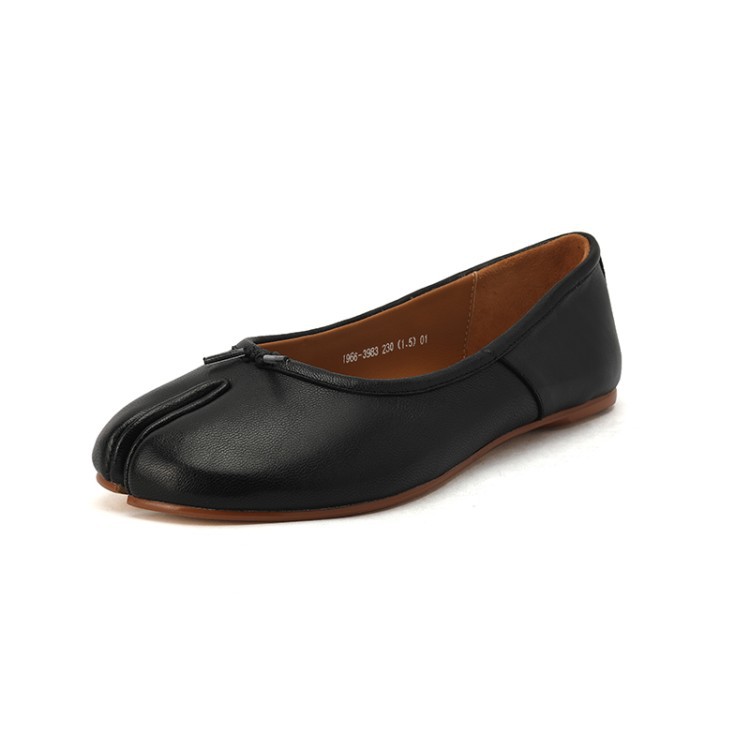
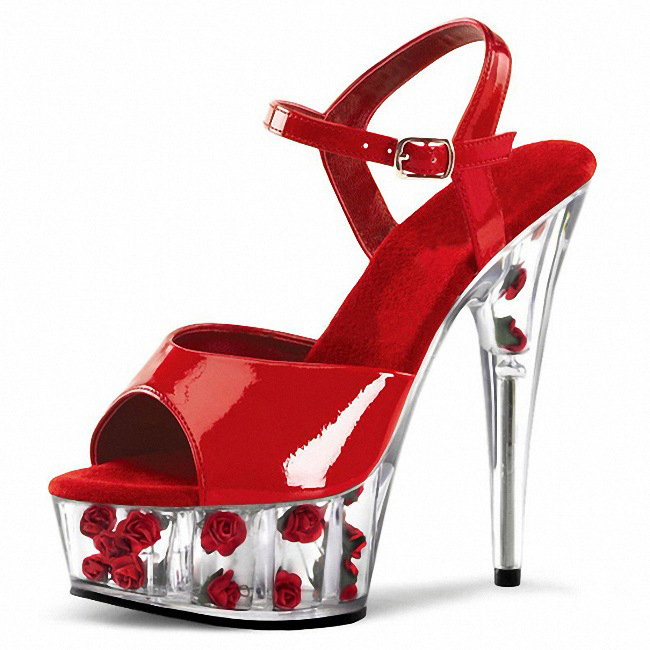
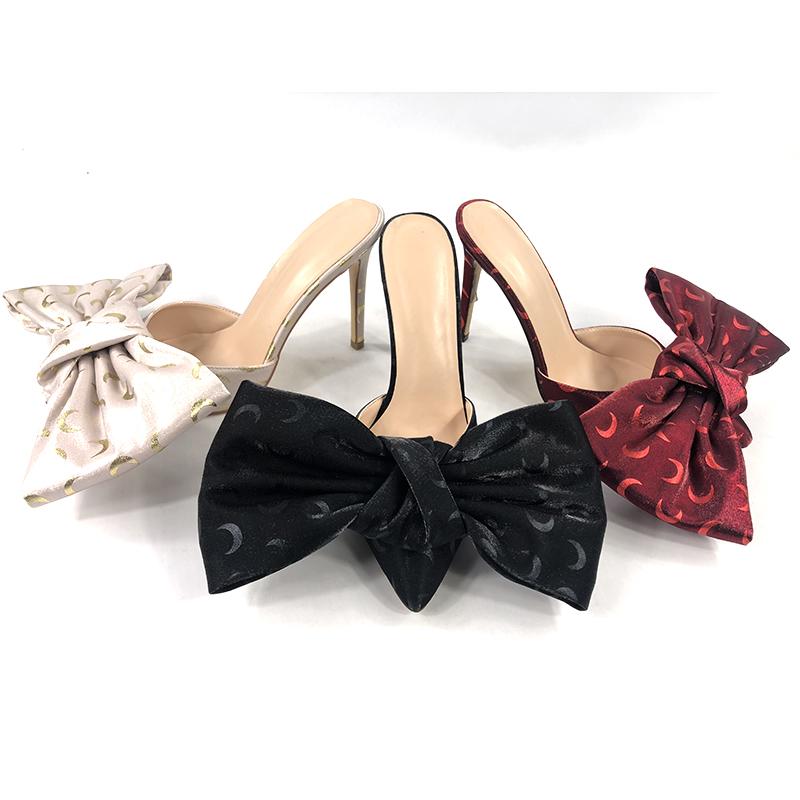
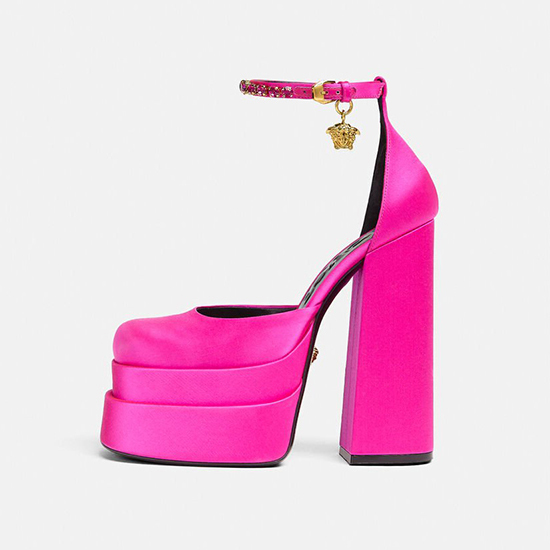
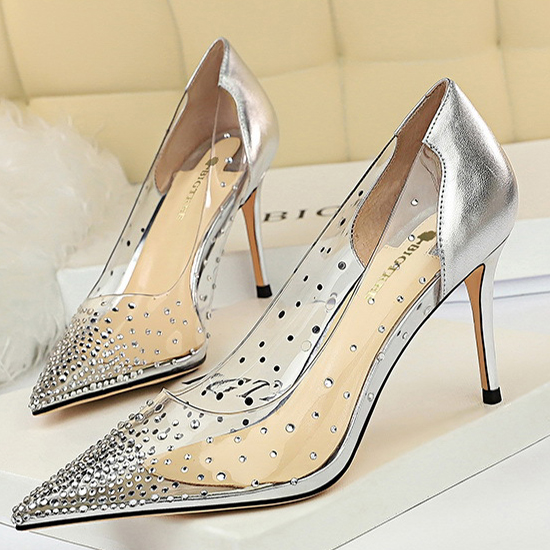
Customized Made Shoes Women Manufacturers You Can Rely On Global Reach
Global procurement teams seek reliable, flexible footwear manufacturing. A capable partner delivers end-to-end customization and broad reach—turning concepts into high-quality women’s shoes with adjustable uppers, linings, insoles, heel heights, and outsoles while preserving comfort and durability. With multi-site production, strict QA, and scalable volumes, we support both pilot runs and large orders for markets worldwide. Beyond design, buyers gain predictability through transparent lead times, clear sample routes, and compliant sourcing. A dedicated team handles material sourcing, tooling, production scheduling, and quality checks, plus private labeling, packaging customization, and global logistics. By combining design flexibility with reliable processes, you reduce supplier-management complexity and can scale confidently across regions.
| Region | Factory Size (Employees) | Production Capacity (pairs/month) | Years in Operation | Global Reach (Regions Served) | Customization Options | Materials Used | Certifications | Lead Time (Days) | MOQ (Pairs) | QA Score | Sustainability Rating | On-Time Delivery Rate (%) | R&D Investment (% of Revenue) | Customer Ratings |
|---|---|---|---|---|---|---|---|---|---|---|---|---|---|---|
| Asia-Pacific | 1500 | 45000 | 12 | North America, Europe, Middle East | Full custom; size; width; color; materials | Leather, Vegan Leather, Textile | ISO 9001, BSCI | 25 | 50 | 92 | A | 97 | 3.5 | 4.7 |
| Europe | 800 | 20000 | 9 | North America, Europe, Asia | Semi-custom (lasting adjustments); colorways | Leather, PU | ISO 9001, CE | 28 | 30 | 89 | A- | 95 | 2.8 | 4.5 |
| North America | 600 | 15000 | 7 | North America, Latin America | High-precision lasts; patterns | Leather, Knit | ISO 9001 | 22 | 20 | 88 | B+ | 93 | 4.0 | 4.6 |
| Africa & Middle East | 400 | 10000 | 5 | Africa, Middle East, Europe | Basic customization | Fabric, Synthetic | ISO 9001, ISO 14001, OEKO-TEX | 30 | 40 | 84 | B | 92 | 1.5 | 4.3 |
| Latin America | 550 | 12000 | 6 | North America, South America | Standard and colorways | Leather, Textile | ISO 9001 | 26 | 25 | 87 | B+ | 94 | 2.0 | 4.4 |
| Asia | 1200 | 38000 | 15 | Global (North America, Europe, Asia, Australia) | Comprehensive (size, width, support, patterns) | Leather, Knit, Eco-friendly fabrics | ISO 9001, ISO 14001, OEKO-TEX, BSCI | 24 | 60 | 94 | AA | 98 | 3.8 | 4.8 |
Related Products
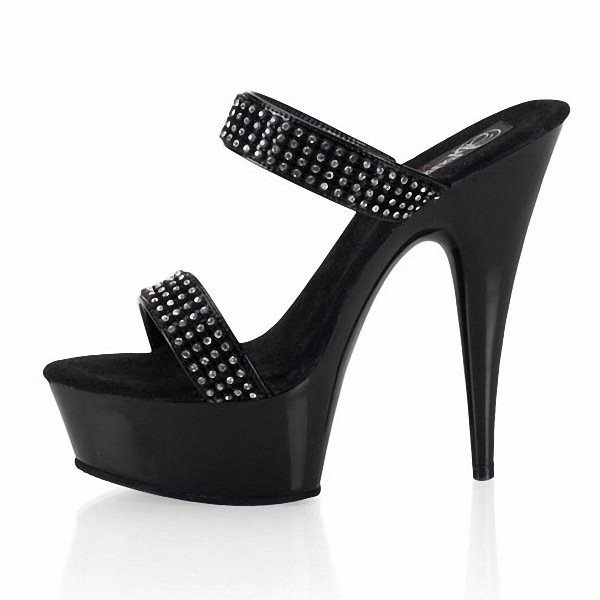
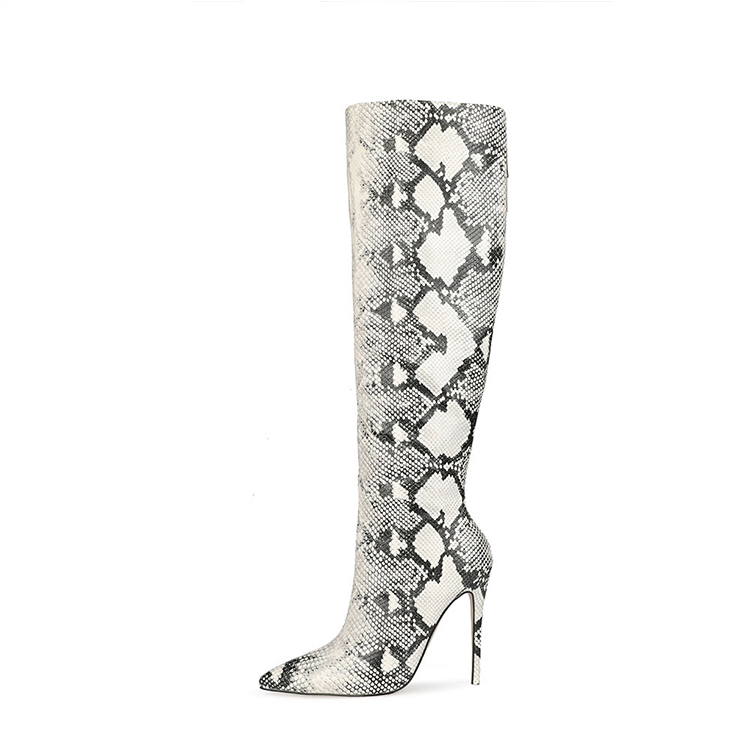
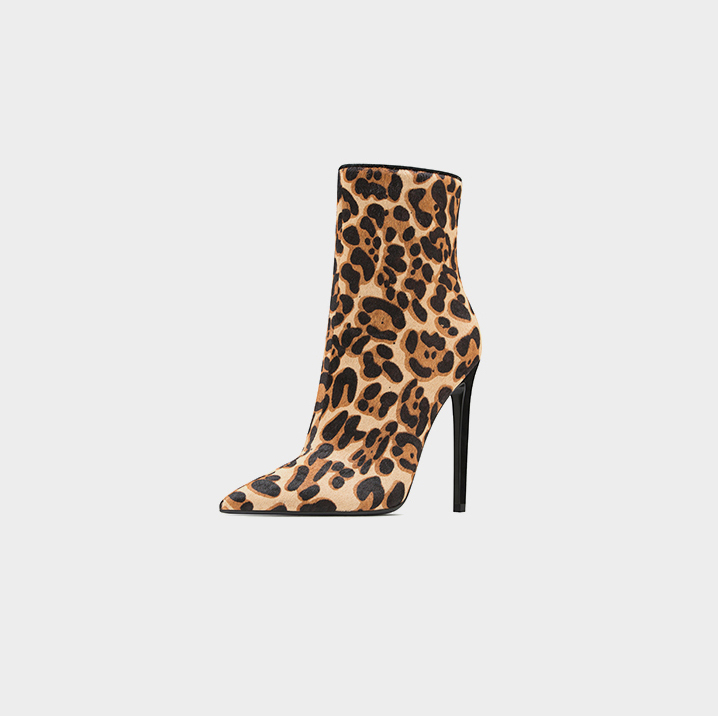
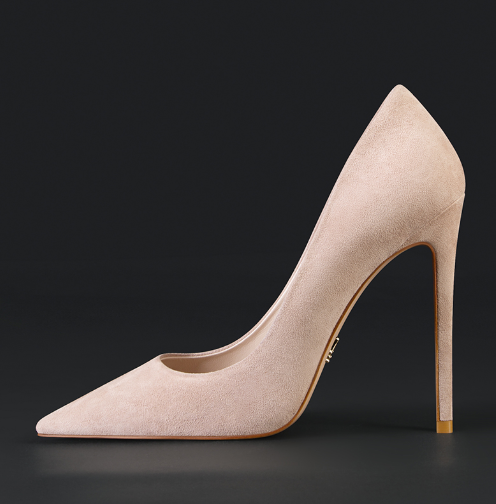
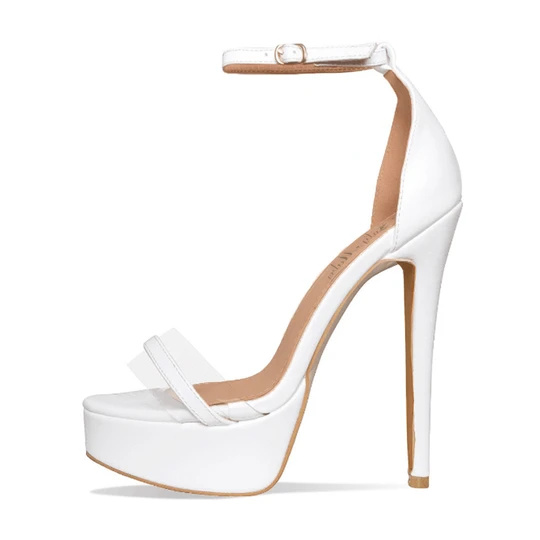
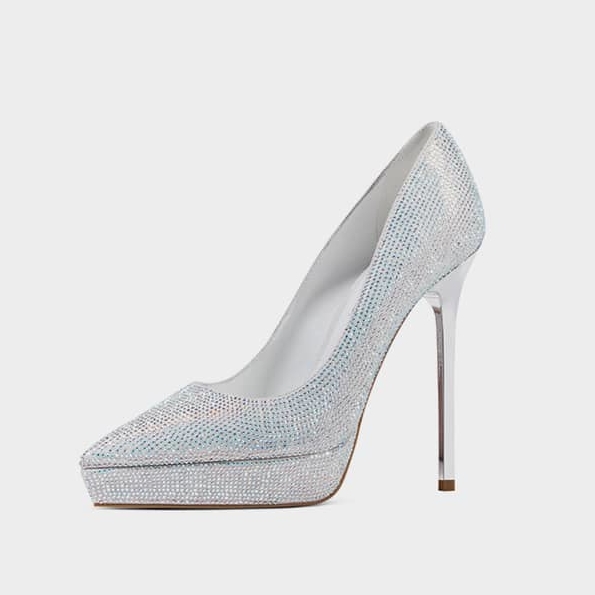
Customized Made Shoes Women Is The Best Ahead of the Curve
Top Selling Products



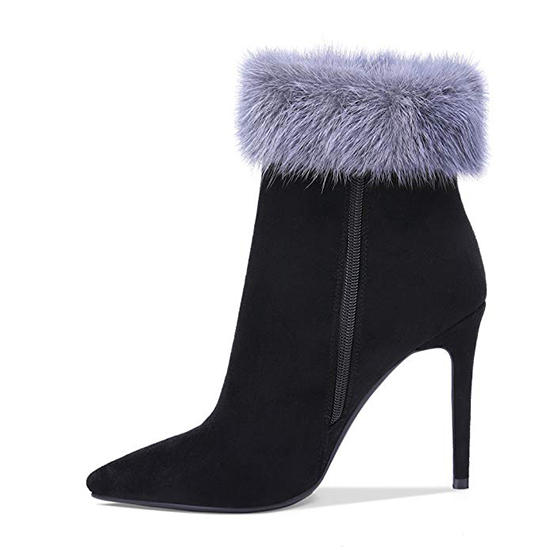


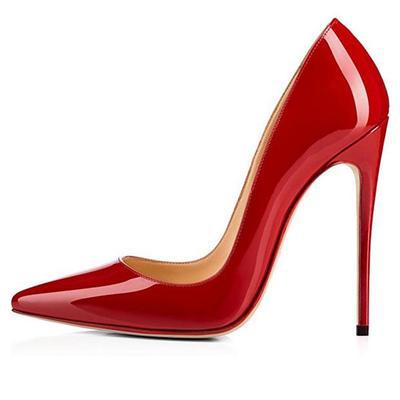
- Related Blog
- Reviews
- Reviews
