
Custom Eco-Friendly Footwear - Wholesale & Manufacturer
I help brands power up their line with {Custom Eco-Friendly Footwear}, built for scale and sustainability. As a {Manufacturer} focused on {Wholesale} partnerships, I tailor uppers, insoles, packaging, colors and branding to your specs. Our shoes use recycled uppers, bio-based adhesives, and low-waste production, so you can tell a green story without sacrificing durability. I handle end-to-end development from sampling to mass production, with clear lead times and strict quality controls. Minimum orders are flexible for pilots, while bulk runs ship on a reliable schedule. Private labeling and MOQ negotiation are available, plus proactive QA to reduce returns. Working with me means steady supply of {Custom Eco-Friendly Footwear} that meets your customers’ demand for responsible, comfortable footwear and supports your sustainability goals.


Custom Eco-Friendly Footwear Manufacturer Service Backed by Expertise
As a Chengdu-based footwear manufacturer with a proven track record in custom production, we blend technical expertise with a strong commitment to sustainability. Our service accompanies the full product journey—from concept and material selection to prototyping, tooling, and scalable production. We prioritize eco-friendly materials such as recycled textiles, plant-based leathers, water-based adhesives, and low-emission dyeing technologies, ensuring comfort, durability, and consistent performance. In-house QA and lean manufacturing reduce waste and guarantee batch-to-batch quality. For global buyers, this means reliable supply chains, transparent sourcing, and measurable environmental impact. We offer flexible MOQs, scalable capacity, rapid prototyping, and efficient lead times, all underpinned by traceable material streams and adherence to international standards. Early collaboration lets us optimize design for weight, cost, and circularity, while maintaining high style and comfort. Partnering with us means a customized, responsible footwear solution that aligns with diverse markets and procurement goals.
| Line | Primary Materials | Recycled Content (%) | Carbon Footprint per Pair (kg CO2e) | Water Use per Pair (L) | Lead Time (weeks) | Annual Capacity (pairs) | Certifications |
|---|---|---|---|---|---|---|---|
| Line 1 | Bio-based upper and recycled rubber outsole | 60 | 2.2 | 7.5 | 4 | 300,000 | OEKO-TEX Standard 100; Global Recycled Standard; ISO 14001 |
| Line 2 | Corn-based leather substitute; algae-based insole | 50 | 1.9 | 6.2 | 5 | 180,000 | OEKO-TEX 100; ISO 14001 |
| Line 3 | Recycled PET knit; natural rubber sole | 70 | 2.0 | 4.5 | 6 | 250,000 | Global Recycled Standard; FSC-certified packaging |
| Line 4 | Hemp canvas; cork insoles; sugarcane-based foam | 65 | 1.8 | 5.0 | 4 | 220,000 | OEKO-TEX; B Corp prerequisites |
| Line 5 | Apple-based leather alternative; recycled rubber | 58 | 2.1 | 6.8 | 7 | 150,000 | OEKO-TEX; Global Recycled Standard |
Related Products


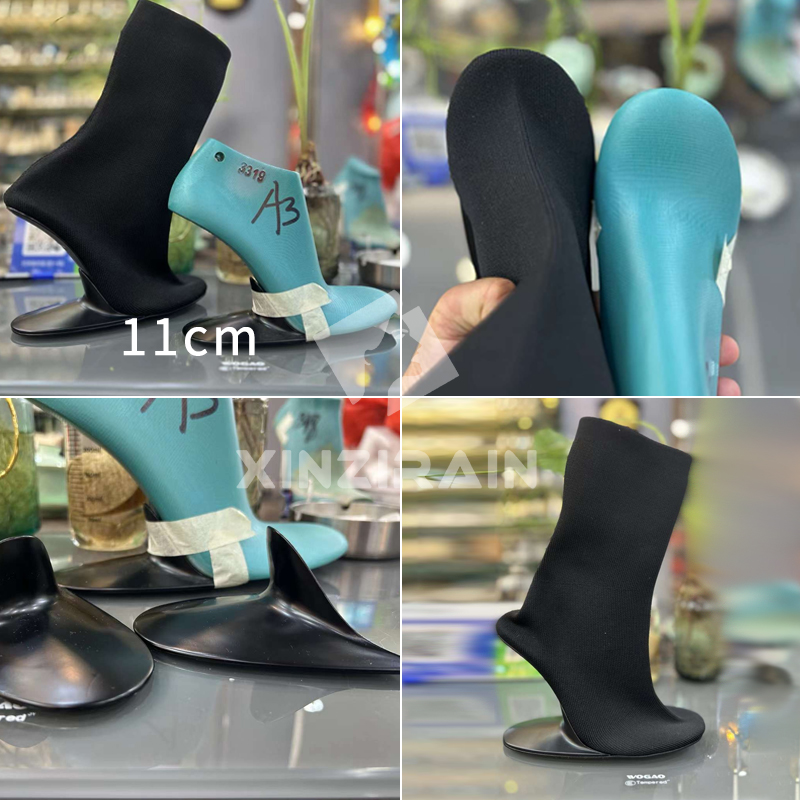
Custom Eco-Friendly Footwear Manufacturer Where Service Meets Innovation
Top Selling Products




- Related Blog
- Reviews
- Reviews
