
Wholesale Leather Handbag Manufacturer | Leather Goods Manufacturer
As a Leather Handbag Manufacturer, I partner with fashion retailers, boutiques, and distributors to deliver premium, hand-finished pieces. My focus on quality materials, precise stitching, and thoughtful details ensures every bag meets daily wear and seasonal demand. I offer Wholesale options with competitive pricing, MOQ flexibility, and scalable production, so you can grow your assortment without risk. From classic totes to structured crossbodies and custom leather textures, I provide ODM and private labeling services, fast lead times, and dependable QC. You’ll get real-time production updates, doc ready specs, and a dedicated account representative. I source full-grain leathers, durable hardware, and lined interiors that stand up to high rotation. Whether you’re stocking catalogs or building a branded line, I am ready to tailor dimensions, colors, and packaging to fit your market. Let’s collaborate to turn orders into lasting customer loyalty.




Leather Handbag Manufacturer Now Trending Your End-to-End Solution
Across today’s global procurement landscape, a leather handbag partner that offers an end-to-end solution is becoming a strategic edge. A Chengdu-based leather goods manufacturer is now trending for unifying concept, development, production, and delivery into a single, seamless flow. From initial sketches and tech packs to material sourcing and tooling, through to mass production, quality control, packaging, and shipment, this end-to-end approach minimizes risk, shortens lead times, and helps brands bring products to market faster on a global stage. Core capabilities include design collaboration and tech-pack development, verified material sourcing with traceability, scalable production with flexible MOQs, and rigorous in-line and final QC. The model also encompasses sustainable practices aligned with social and environmental standards, compliant export documentation, and integrated logistics. A digital collaboration layer provides real-time project visibility and transparent cost structures. For global buyers seeking responsiveness, consistency, and customization, an end-to-end partner in this space can deliver measurable value across the product lifecycle.
Leather Handbag Manufacturer Now Trending Your End-to-End Solution
| Product Line | Region | Material Type | Process Lead Time (days) | Monthly Output (units) | Certifications | Sustainability Score | MOQ (units) | On-time Delivery Rate (%) | Defect Rate (%) |
|---|---|---|---|---|---|---|---|---|---|
| Classic Tote | Asia-Pacific | Full-grain leather | 14 | 12000 | LWG Gold; ISO 9001 | 78 | 200 | 96 | 0.5 |
| Crossbody Bag | Europe | Top-grain leather | 16 | 8000 | ISO 9001; BSCI | 85 | 150 | 92 | 0.8 |
| Satchel | North America | Nappa leather | 25 | 6000 | ISO 9001; SEDEX | 92 | 150 | 97 | 0.4 |
| Messenger Bag | Asia-Pacific | PU leather | 18 | 7000 | BSCI | 81 | 120 | 91 | 0.7 |
| Clutch | Europe | Saffiano leather | 12 | 3000 | ISO 9001; ISO 14001 | 70 | 100 | 95 | 0.6 |
| Backpack | North America | Nubuck leather | 10 | 4500 | BSCI; ISO 9001 | 88 | 180 | 93 | 0.9 |
Related Products



Leather Handbag Manufacturer Application More Than a Supplier - A Partner
Top Selling Products
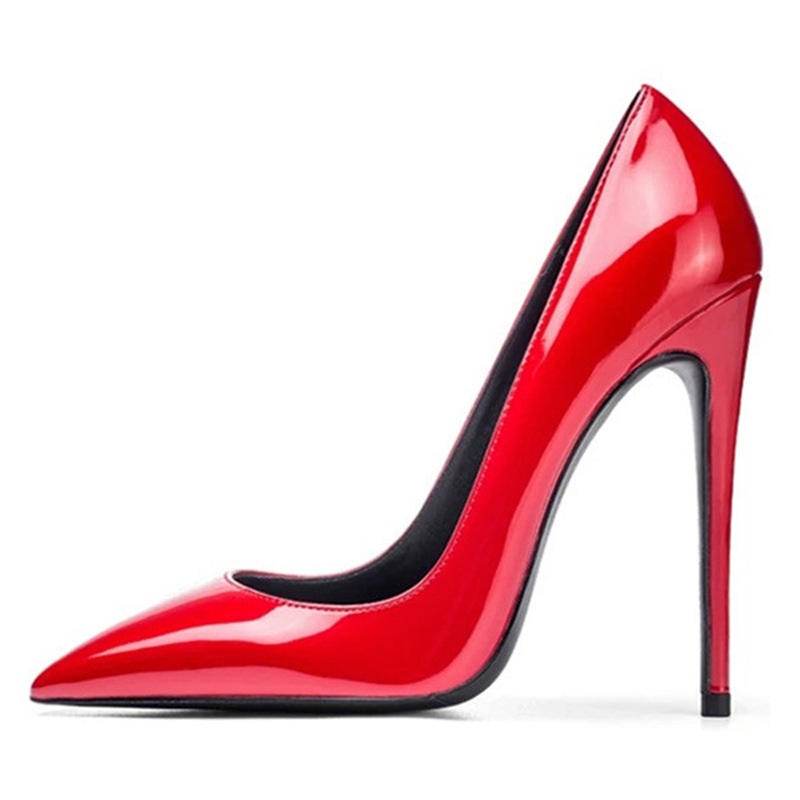

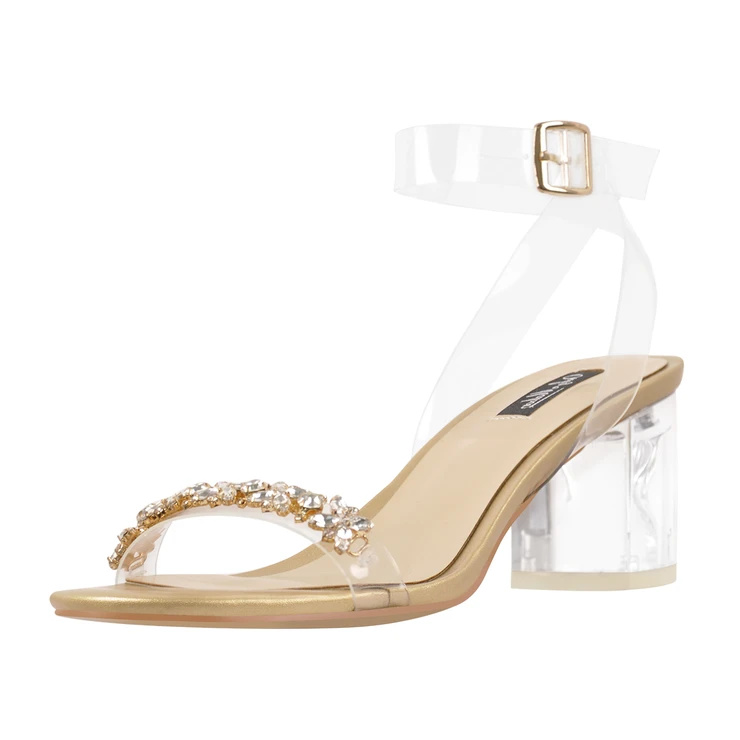
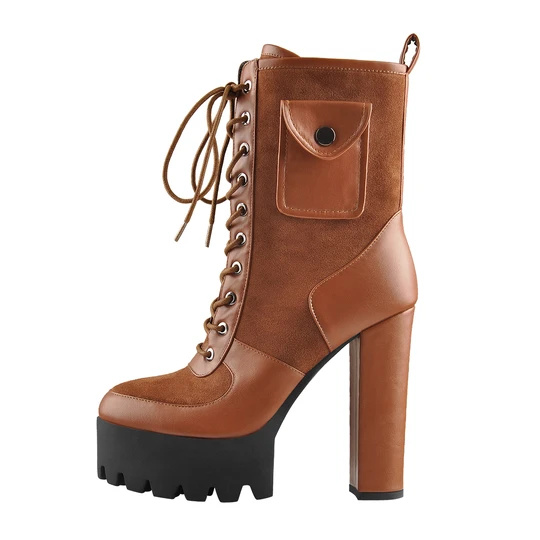
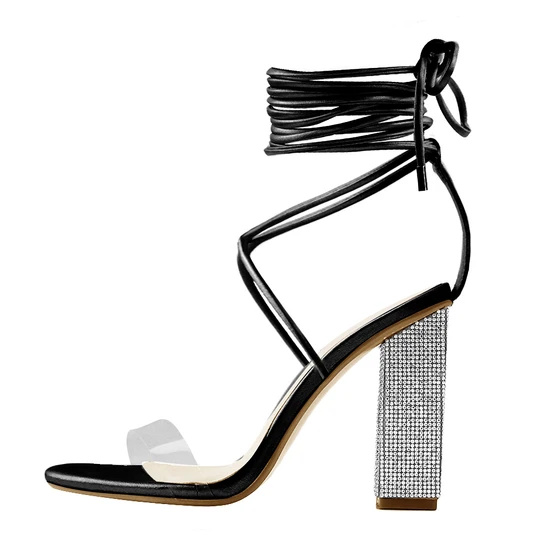

- Related Blog
- Reviews
- Reviews
