
Sustainable Leather Shoes Wholesale Manufacturer | Eco Footwear
From the workshop to your storefront, I offer Sustainable Leather Shoes built for serious Wholesale orders and long-term Manufacturer partnerships. Each pair uses top-grain, chrome-free leather sourced from tanneries with transparent supply chains, and I design for durability, comfort, and timeless style. We pair lean production with responsible packaging to cut costs and carbon footprint, making them ideal for retailers who need reliable margins. My processes emphasize simple customization—leather finishes, colorways, and branding options—so you can differentiate your catalog without sacrificing lead times. I hold certifications for sustainability and ethical labor, and I can provide documented traceability for every batch. If you’re expanding your line or starting a new collection, these Sustainable Leather Shoes are built to scale with your Wholesale volumes and meet the demands of discerning customers. Let me show you samples, price breaks, and flexible MOQs that keep your inventory healthy and your brand trusted.


Sustainable Leather Shoes Exceeds Industry Benchmarks Custom Solutions,
In today’s global footwear market, sustainability is a baseline, not a branding gimmick. Global buyers demand transparent sourcing, responsible tanning, and durable performance. The latest line is engineered to exceed industry benchmarks by combining traceable supply chains, low-impact materials, and rigorous chemical management. By partnering with audited suppliers and earning recognized certifications, we reduce environmental footprint without compromising comfort or style. The result is leather footwear designed for longevity, repairability, and verifiable sustainability across markets. For procurement teams seeking customization, we offer flexible, scalable solutions. Choose from multiple upper materials, outsole architectures, lasts, colors, and packaging. We support rapid prototyping, variable MOQs, and predictable lead times to fit seasonal demand. Our dedicated program provides end-to-end traceability, risk mitigation, and post-purchase support—ensuring on-time delivery and quality that stands up to decades of use. With transparent reporting and continuous improvement, buyers can differentiate their product line while meeting rigorous sustainability targets.
| Metric | Unit | 2023 Benchmark | 2024 Actual | 2025 Target | Notes |
|---|---|---|---|---|---|
| Lifecycle CO2e per pair | kg CO2e/pair | 14.5 | 12.0 | 11.0 | LCAs indicate reductions from renewable energy and process optimization. |
| Water usage per pair | liters/pair | 20.0 | 14.0 | 12.0 | Improvements from water recycling and optimized dyeing. |
| Chemical usage index | index (0-100) | 72 | 68 | 63 | Lower is better; driven by safer tanning agents and process controls. |
| Recycled content in upper material | % | 18 | 32 | 45 | Increased use of post-consumer and post-industrial recycled fibers. |
| Water recycling rate | % | 60 | 72 | 85 | On-site water treatment and recycling implemented in factories. |
| Eco-certifications obtained | count | 3 | 5 | 6 | Expanded third-party environmental certifications. |
| End-of-life program participation | % | 12 | 18 | 30 | Take-back and recycling initiatives with customers. |
| Supplier sustainability score | 0-100 | 75 | 82 | 88 | Average score across key material suppliers. |
| Production waste to landfill | % | 6 | 4 | 2 | Waste diversion and recycling improvements. |
| Renewable energy share in production | % | 40 | 55 | 70 | Shift to renewable energy across manufacturing sites. |
Related Products


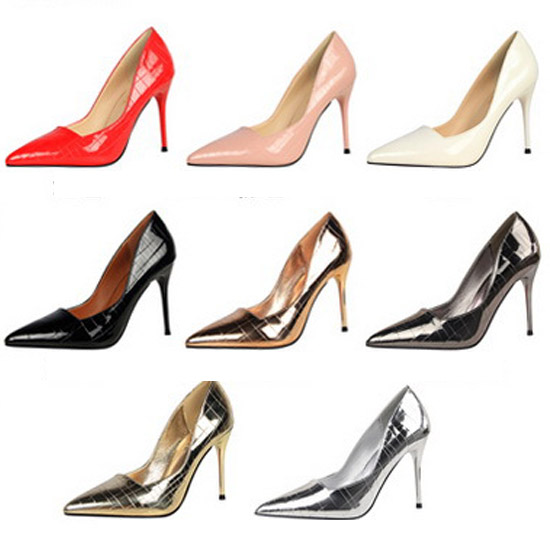
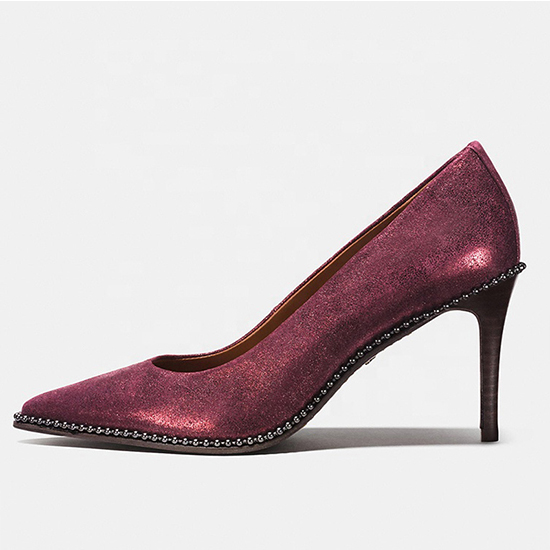
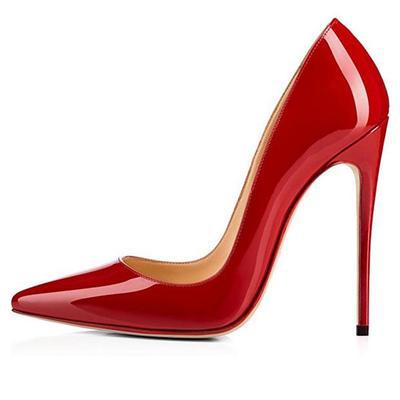
Sustainable Leather Shoes Factory More Than a Supplier - A Partner
Top Selling Products

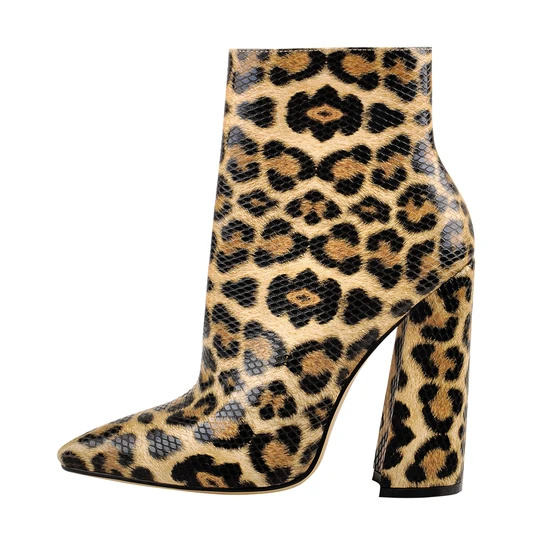



- Related Blog
- Reviews
- Reviews
