
Designing My Own Shoes: Wholesale Insights from a Trusted Manufacturer
I’m exploring Designing My Own Shoes as a pathway to meet Wholesale demands and attract Manufacturer partners. I offer a full, adaptable process from concept to final sample, designed for B2B buyers who value speed, consistency, and control. By collaborating with me, you get direct access to streamlined production, scalable MOQs, and transparent costing—no hidden surprises. I guide you through material selection, outsole design, stitching techniques, and sizing, ensuring your private label stands out. My factory delivers repeatable quality, reliable lead times, and traceable sourcing, helping you grow your brand with confidence. Whether you’re a retailer seeking exclusive lines or a Manufacturer seeking co-branding opportunities, I tailor the workflow to your needs. Let’s discuss timelines, certifications, and volumes to turn your vision into a market-ready shoe line.

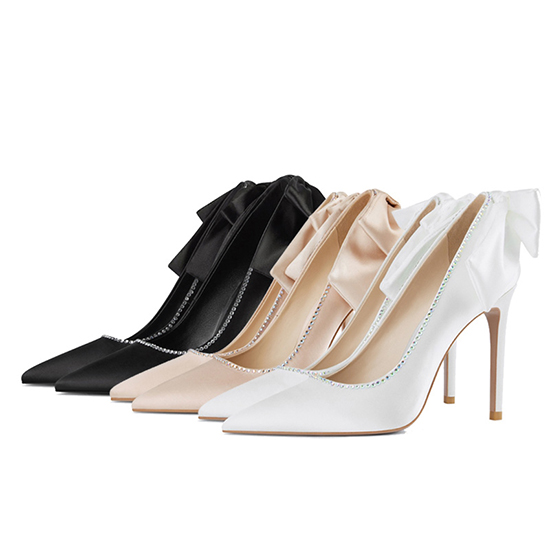




Designing My Own Shoes Service Pioneers in the Field
Custom footwear design services are redefining how brands and retailers bring concepts to life. By blending ergonomic fitting, material science, and aesthetic exploration, buyers can tailor uppers, insoles, closures, colors, textures, and logos to create market-ready styles that reflect their voice and seasonal priorities. The workflow accommodates diverse sizes, regional fits, and performance requirements while staying production-feasible. From digital concept to final sample, the end-to-end process emphasizes speed, cost control, and consistent quality. 3D modeling and virtual prototyping let you iterate before any tooling is committed, while rapid sampling shortens lead times. Transparent costing, scalable production, and rigorous QA ensure consistent results across regions, with clear IP protection and traceability built in. Distinctive advantages include AI-assisted design optimization, sustainable material options, and a network of certified manufacturers committed to responsible sourcing. With global compliance, traceable logistics, and flexible MOQ arrangements, buyers can plan assortments with confidence, reduce risk, and pursue exclusive collaborations in footwear design.
| Year | Region | Segment | Customer Type | Design Approach | Material Focus | Fit Score | Team Size | Prototypes / Month | Lead Time (days) | Sustainability Index | Avg Satisfaction |
|---|---|---|---|---|---|---|---|---|---|---|---|
| 2020 | Europe | Bespoke | Fashion Enthusiast | AI-driven | Leather | 92 | 4 | 5 | 14 | 0.78 | 4.6 |
| 2021 | Americas | Prototyping | Corporate Client | Handcrafted | Knit | 88 | 3 | 3 | 18 | 0.82 | 4.5 |
| 2022 | Asia-Pacific | Mass Customization | Runner | 3D Scanning | Leather | 85 | 5 | 7 | 25 | 0.75 | 4.2 |
| 2022 | Europe | Bespoke | Athlete | AI-driven | Synthetic | 90 | 2 | 4 | 12 | 0.80 | 4.7 |
| 2023 | Americas | Mass Customization | Fashion Enthusiast | Modular | Leather | 87 | 3 | 6 | 10 | 0.70 | 4.3 |
| 2023 | Middle East | Prototyping | Casual Wearer | 3D Scanning | Foam | 83 | 2 | 4 | 16 | 0.68 | 4.1 |
| 2024 | Asia-Pacific | Prototyping | Athlete | Handcrafted | Leather | 91 | 6 | 8 | 14 | 0.85 | 4.8 |
| 2024 | Europe | Mass Customization | Runner | AI-driven | Recycled Fabric | 89 | 4 | 5 | 20 | 0.79 | 4.4 |
Related Products


Designing My Own Shoes Supplier More Than a Supplier - A Partner
Top Selling Products
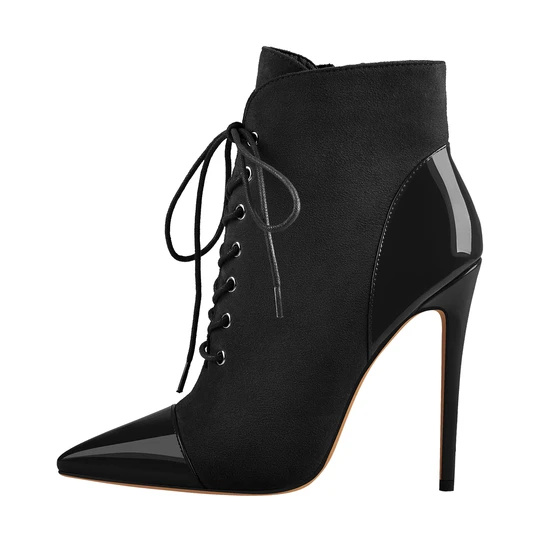

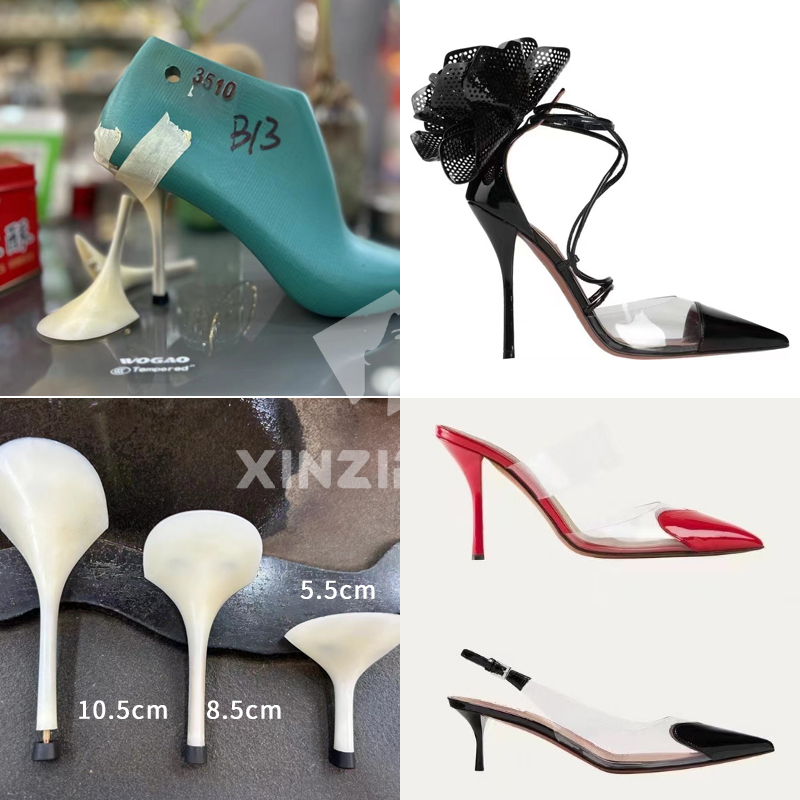
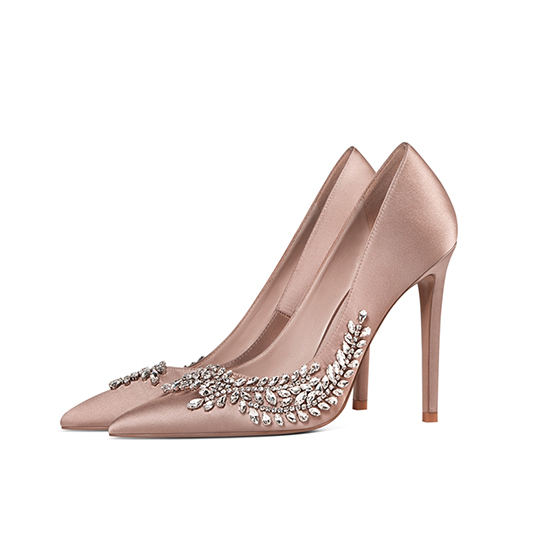

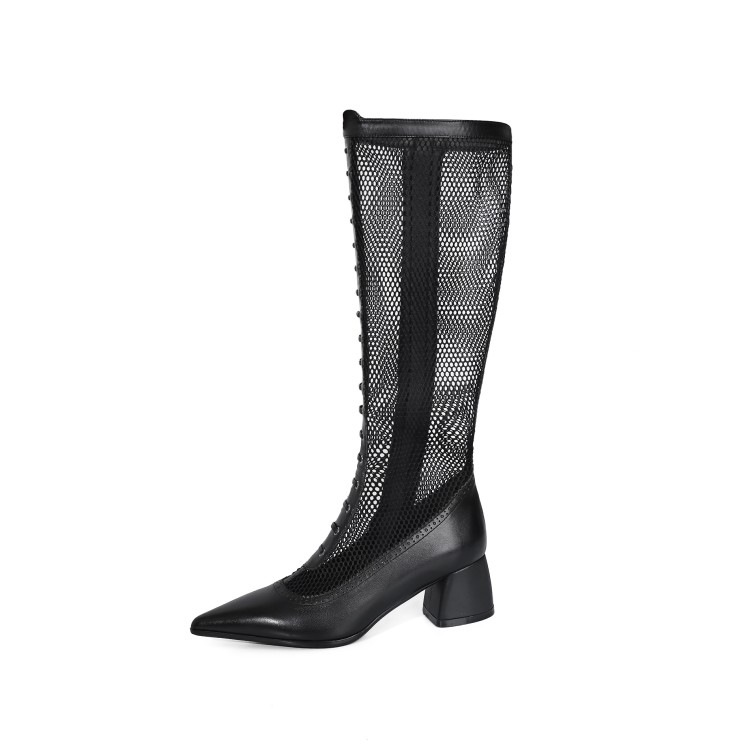
- Related Blog
- Reviews
- Reviews
