
Wedge Mule Sandals - Wholesale Manufacturer for Global Brands
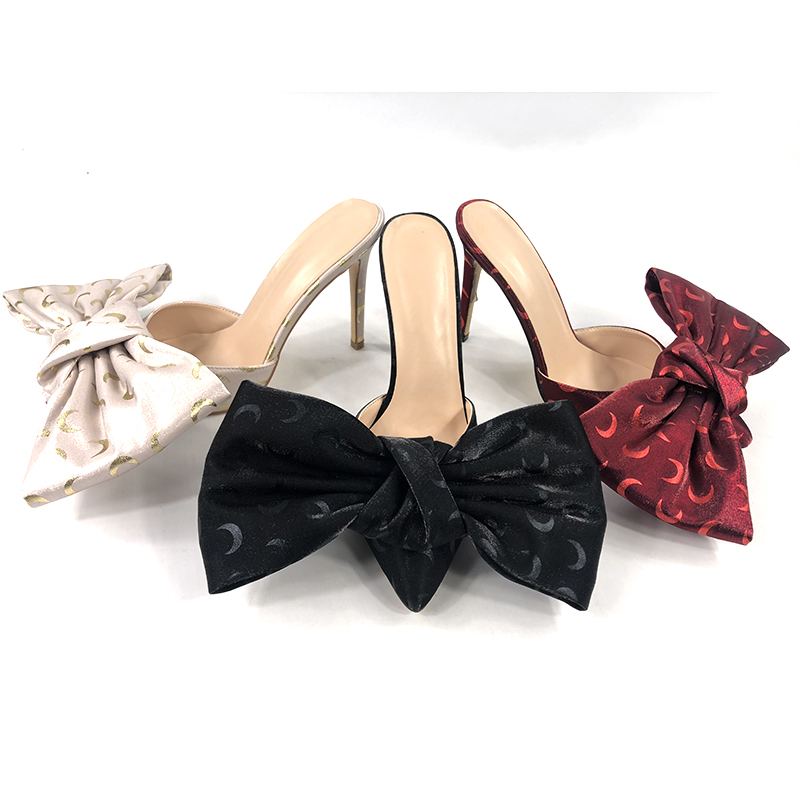
As a dedicated manufacturer, I bring you Wedge Mule Sandals that blend chic style with all-day support. Our wholesale program is built for retailers looking to stock durable, fashion-forward sandals in multiple colors and sizes. Each pair features a cushioned footbed, non-slip outsole, and a lightweight wedge that elevates the silhouette without sacrificing comfort. I handle production in small-batch runs to ensure quality control and rapid restock for demand surges. Competitive wholesale pricing, flexible MOQs, and reliable lead times mean you can plan promotions confidently. I offer sample orders to verify fit and finish, along with per-order customization options for branding. If you’re a retailer seeking a reliable supply partner, let me show you how these wedge mule sandals can boost your summer collections and margins.
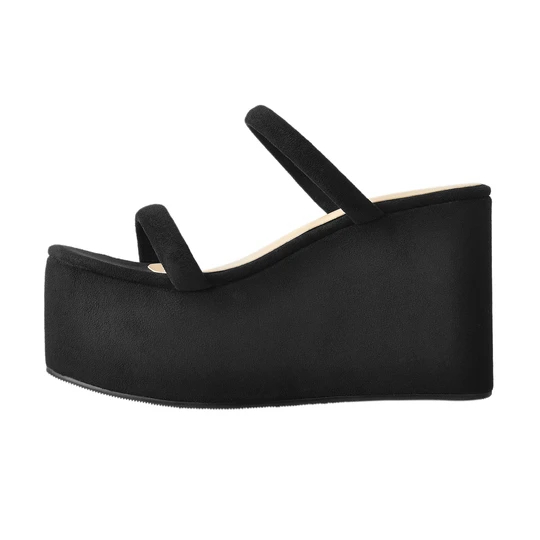
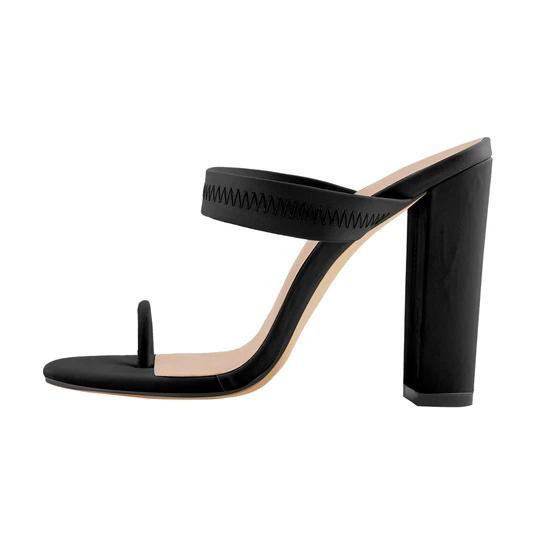
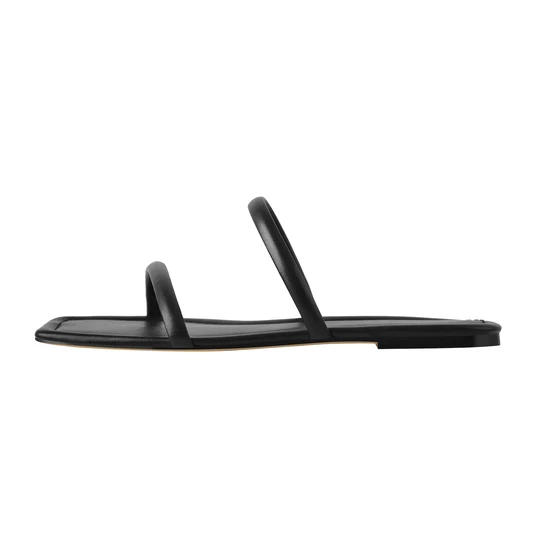
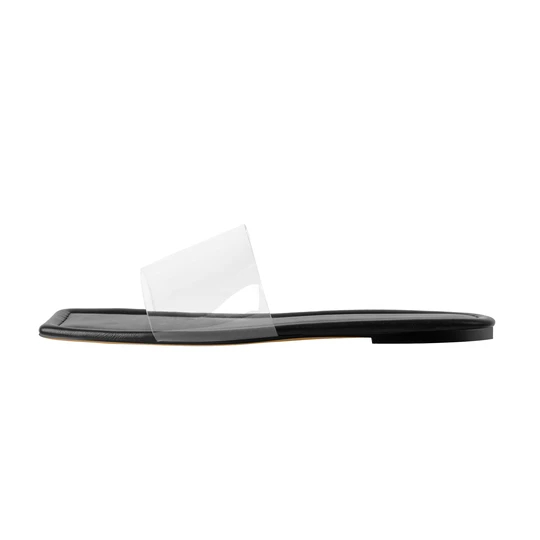
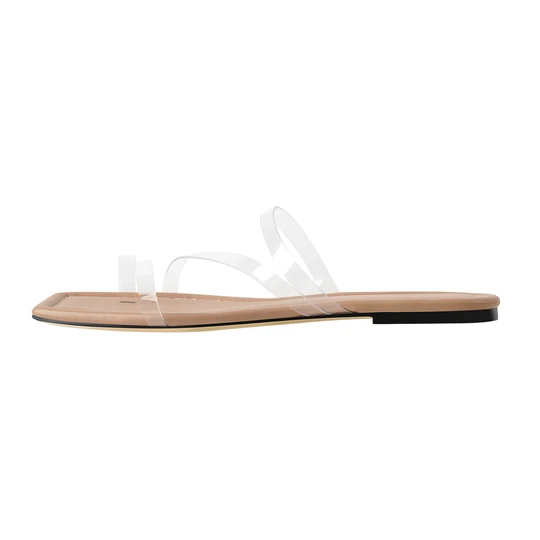
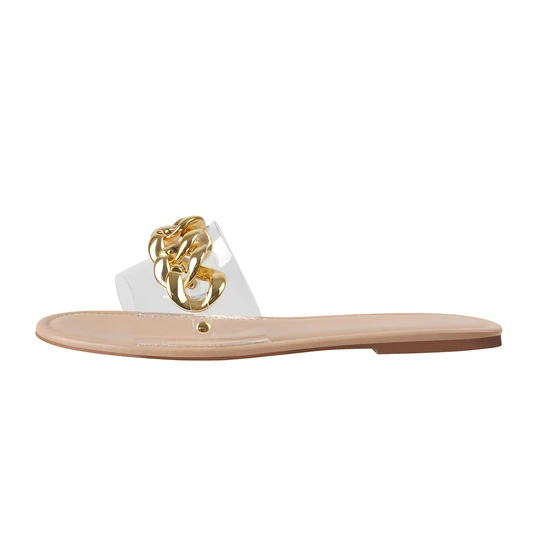
Wedge Mule Sandals Where Innovation Meets 2025 From Concept to Delivery
From concept to delivery, wedge mule sandals in 2025 fuse elevated style with wearable comfort. Designers push sculpted wedges, sustainable uppers, and cork or recycled-foam midsoles, while rapid prototyping and modular uppers shorten development cycles. For global buyers, the key is a supplier who can translate a brief into production-ready tooling, sustain consistent quality, and keep timelines tight across regions. A Chengdu-based footwear manufacturer illustrates this integrated approach from R&D through in-house tooling and qualification. Partnering with such a partner means end-to-end development and scalable production, with transparent sourcing, rigorous QC, and flexible MOQs for pilots and scale-ups. The best suppliers provide a clear production calendar, risk management through diversified sourcing, and compliance with global standards for safety, labeling, and environmental impact, ensuring on-time delivery and cost predictability.
| Stage | Objective | Key Materials | Avg Pair Weight (g) | Lead Time (days) | R&D Effort (person-months) | Testing Methods | Sustainability Score (0-100) | Status |
|---|---|---|---|---|---|---|---|---|
| Concept | Define market gap and product brief for wedge mule sandals. | EVA foam, cork, recycled rubber outsole | 230 | 14 | 2.0 | Concept validation, consumer surveys | 62 | Concept |
| Design & Engineering | Finalize geometry, wedge height, strap configuration. | EVA, TPU, sustainable textile | 250 | 21 | 3.5 | 3D prototypes, fit tests | 68 | In design |
| Material Sourcing | Identify suppliers for sustainable materials. | Plant-based leather substitute, recycled foam, bio-based adhesives | 248 | 15 | 1.8 | Material compatibility, supplier QA | 72 | Sourcing |
| Prototyping | Build full-scale prototypes for testing. | EVA, cork, microfiber, recycled rubber | 260 | 20 | 2.2 | ASTM flex, abrasion, wear tests | 70 | Prototype |
| Ergonomics & Comfort Testing | Validate footbed comfort and strap tension. | EVA midsole, memory foam-like insole, synthetic leather | 255 | 18 | 2.0 | Pressure mapping, gait analysis | 66 | In testing |
| Durability & Performance Testing | Assess wear resistance and outsole bonding. | Rubber outsole, polyurethane adhesive, fabric straps | 258 | 22 | 2.4 | Accelerated wear, bend tests | 71 | Testing |
| Manufacturing Readiness | Finalize tooling, process flow, QC plan. | Injection-molded components, laser-cut uppers | 245 | 18 | 3.0 | Process capability, sample lots | 75 | Ready for tooling |
| Packaging & Logistics | Develop sustainable packaging and distribution plan. | Recycled carton, soy-based inks, compostable film | 252 | 10 | 1.5 | Pilot shipment, labeling QA | 78 | Packaging finalized |
| Market Launch | Go-to-market and post-launch feedback. | N/A | 252 | 25 | 2.0 | Post-launch QA, returns analysis | 80 | Launched |
Related Products
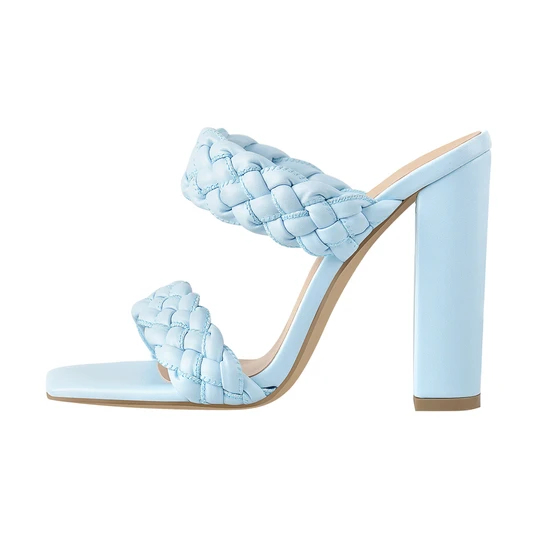
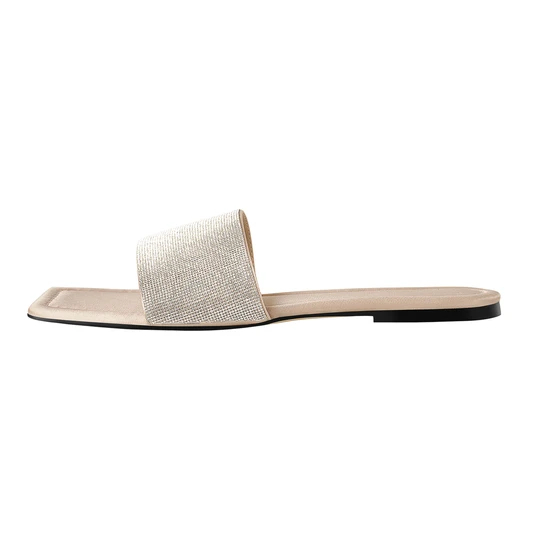
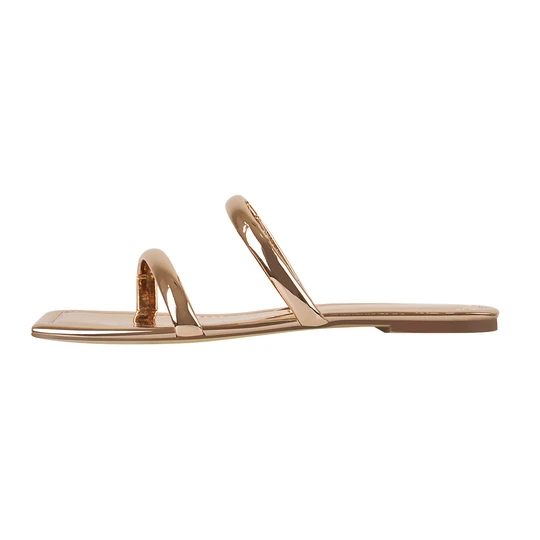
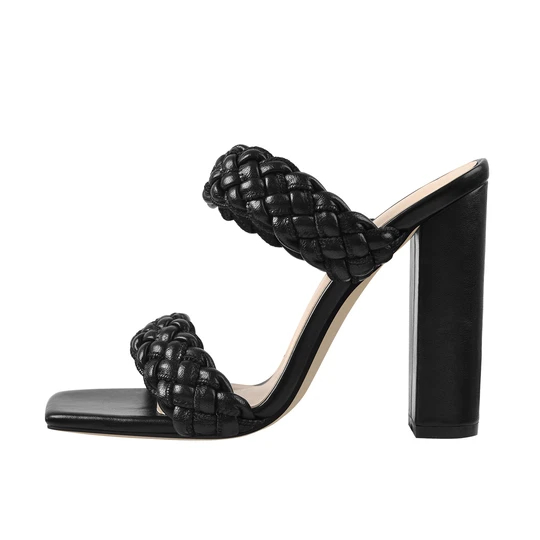
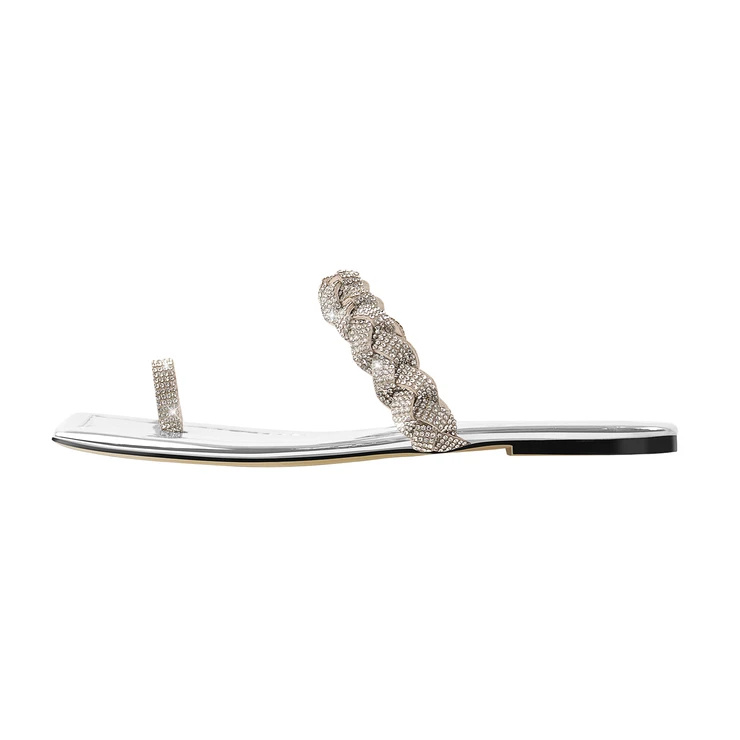
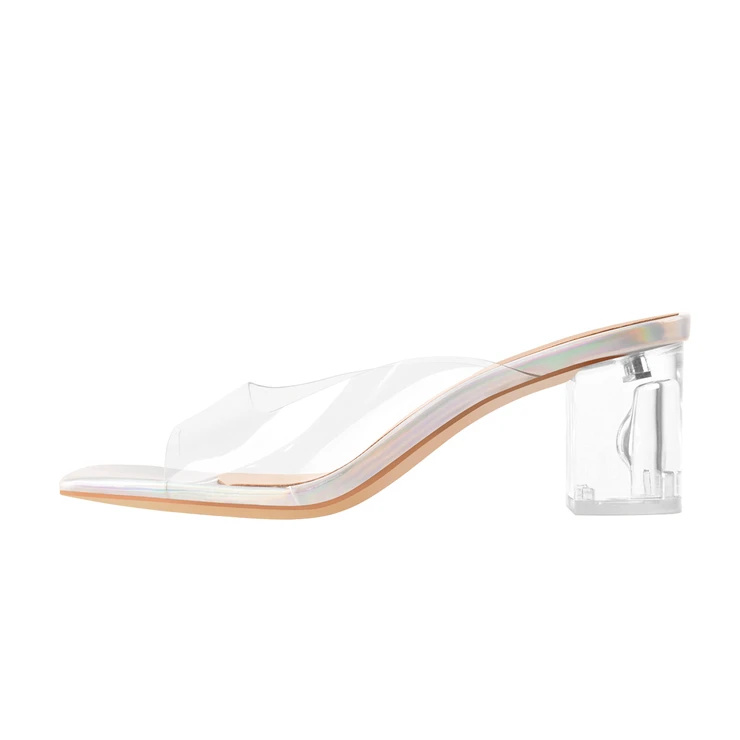
Wedge Mule Sandals Products Your End-to-End Solution
Top Selling Products





- Related Blog
- Reviews
- Reviews
