Private label shoes and bags factory - XINGZIRAIN

Comfortable Footwear Oem - Wholesale Manufacturer Solutions

From the factory floor to your catalog, I offer Comfortable Footwear Oem built for high-volume Wholesale orders and strict Manufacturer standards. I design with ergonomics in mind, choose durable materials, and test comfort to cut returns and boost repeat business. You’ll find flexible sizing, non-slip outsoles, and breathable uppers that meet global requirements. My lines support private-label branding, packaging options, and long-term supply agreements, backed by tight QA and on-time shipping. I keep MOQ-friendly options for Wholesale buyers while preserving cost efficiency through lean production. I share real data to forecast demand and optimize stock levels. Let me be your trusted Manufacturer partner for private-label ranges that elevate your brand. If you need samples or a pilot run, I can arrange fast lead times and transparent pricing.


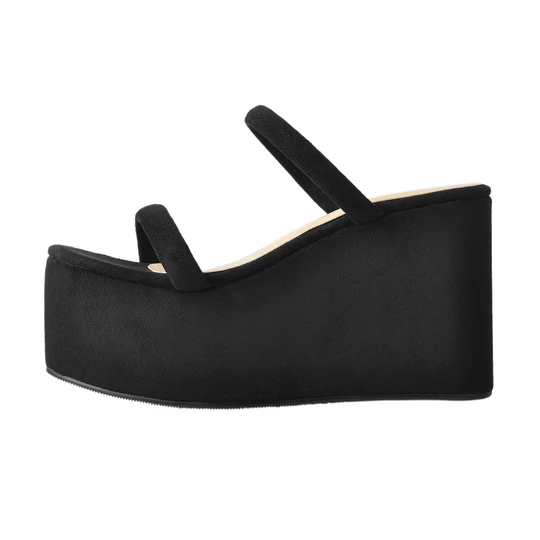
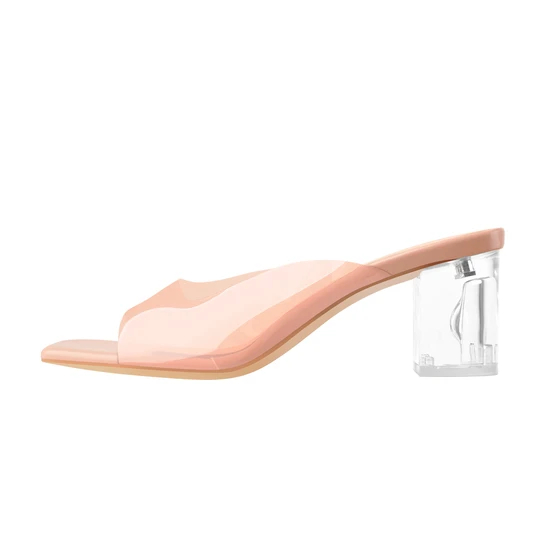
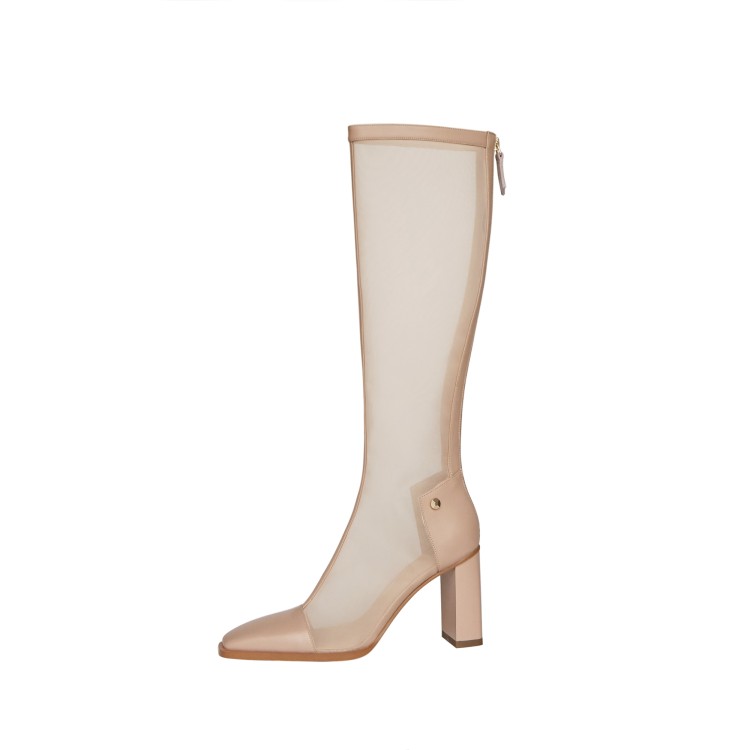
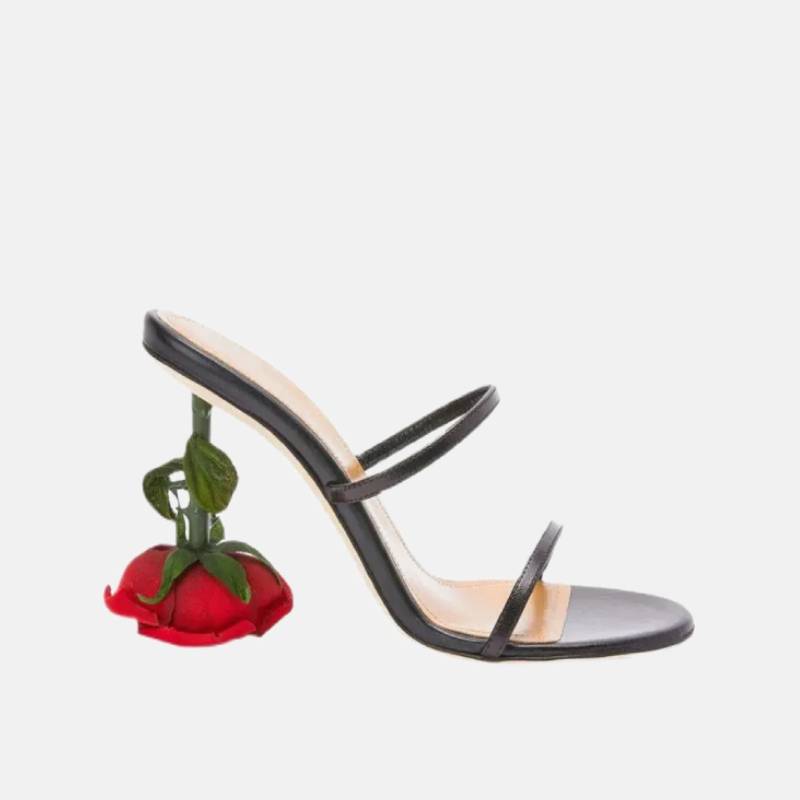
Hot Selling Product

Comfortable Footwear Oem Supplier Industry Leaders

As a leading comfortable footwear OEM supplier serving buyers worldwide, we turn ideas into durable, ready-to-sell products. From product development and 3D sampling to private labeling and packaging design, our end-to-end service speeds time-to-market while preserving comfort, fit, and style. With ergonomic lasts, breathable uppers, cushioned footbeds, and tough outsoles, we deliver footwear that stays comfortable in daily wear, sports, and work settings, at scale and with reliable quality. Global procurement teams gain from flexible production, transparent pricing, and rigorous quality systems. Adaptable MOQs, rapid prototyping, in-house testing, and continuous inline QC minimize risk. Our supply chain emphasizes ethical sourcing, sustainability, and compliance with international standards, while logistics options and predictable lead times support multi-region launches. Partner to customize, co-create, and bring comfortable footwear to diverse markets.

Comfortable Footwear OEM Supplier Industry Leaders

Rank Region Year Founded Production Capacity (M pairs/yr) Annual Revenue (USD B) Employees R&D Investment (% of Revenue) Lead Time (weeks) Certifications (ISO) Global Reach OEM Capabilities
1 Europe 1986 35 4.2 34,000 5.0 6 6 Americas, Europe, APAC Casual, Athletic, Orthotic-friendly, Medical-grade sandals
2 Asia-Pacific 1992 28 3.1 25,000 4.2 7 5 Americas, Europe, APAC Casual, Workwear, Dress, Slippers
3 North America 1990 22 2.9 21,000 3.9 5 4 Americas, Europe Casual, Orthotic, Outdoor
4 Europe 1989 19 2.4 18,000 3.2 8 4 Europe, APAC Athletic, Indoor footwear, Medical insoles
5 North America 1995 15 2.0 15,000 2.8 9 3 Americas, APAC Healthcare, Custom insoles
6 Asia 2000 12 1.6 12,000 2.0 10 3 APAC, Europe Lightweight EVA, Sandals

Related Products

Comfortable Footwear Oem Application Dominates

Data Dimension: OEM Footwear Production by Material Type Over Years

Global OEM Footwear Material Demand Trend Across Regions (2019-2023)

This chart tracks the estimated OEM footwear material demand by three common input materials across five years, illustrating broader shifts in production mix and supplier pressure. Leather lines show a strong but fluctuating base, reflecting premium segment demand and substitution effects as cost pressures emerge. Synthetic materials display more sustained growth, consistent with ongoing emphasis on cost efficiency, lightweight performance, and easier access to supply chains in many regions. Textile materials grow steadily but at a slower pace, highlighting niche applications such as performance uppers and breathable designs, while innovation in textiles gradually expands their share. The year-over-year movement captures responses to external factors such as raw material pricing, currency volatility, sneaker/casual wear trends, and the pace of product redesign cycles in OEM programs. Regions with heavier manufacturing bases tend to drive larger volumes in all materials, yet material preference and order size differ by market segment: premium lines lean toward leather; midrange lines shift toward synthetics; value-oriented products leverage textile or economical synthetic options. The data dimension represented here is intentionally aggregated; it does not reveal quarterly seasonality, regional breakdown, or end-use category. Nonetheless, it helps identify material diversification trends and potential supply chain risks: if leather prices rise, OEMs may accelerate procurement of synthetic options; if synthetic supply tightens, textile or composite materials could become more attractive. The chart also illustrates that while leather remains important for high-end lines, the growth contribution in the period studied is increasingly supported by synthetic materials, followed by textiles. For decision-makers, the main takeaway is the importance of balancing cost, performance, and sustainability across materials to maintain resilience in the face of volatile commodity markets. Future work would add regional disaggregation, seasonality, and price indices to enrich interpretation and support scenario planning. Integrating external indicators such as recycled content requirements, regulatory changes, and supplier lead times would further enhance the analysis. The current visualization serves as a high-level compass for procurement and product teams that aim to optimize mix strategies across OEM programs, balancing premium perception with price competitiveness and supply security. By extending the data to include per-product design cycles, MOQ constraints, and regional price differentials, organizations can forecast material demand more accurately and allocate supplier risk exposure accordingly. The time horizon shown (2019–2023) captures pre-pandemic stability, pandemic disruption, and subsequent recovery phases, illustrating how manufacturers adapt to shocks while preserving growth in core material categories. The approach can be generalized to other product families where material selection influences cost structure and carbon footprint, providing a blueprint for data-driven material strategy in manufacturing ecosystems.

Top Selling Products

Leave Your Message