
Ethical Shoe Manufacturers - Wholesale & Manufacturer Directory
As Ethical Shoe Manufacturers, I partner with brands seeking reliable supply for Wholesale orders and Manufacturer collaborations. We deliver high-quality footwear with transparent supply chains, responsibly sourced materials, and fair labor practices. My team handles custom designs, private labels, and scalable production—perfect for growing brands that demand consistency, short lead times, and competitive pricing. We offer traceable materials, environment-friendly processes, and rigorous QA at every stage, backed by certifications like OEKO-TEX and Leather Working Group audits. Whether you need athletic, casual, or dress styles, we tailor uppers, insoles, and packaging to your spec. Minimums vary by project, but we always align with your volume goals and budget. With direct communication and transparent reporting, you’ll see exactly where your order stands. I’m here to simplify sourcing and deliver dependable, ethical products your customers can trust. Let’s talk about your timeline, volume, and design ideas.
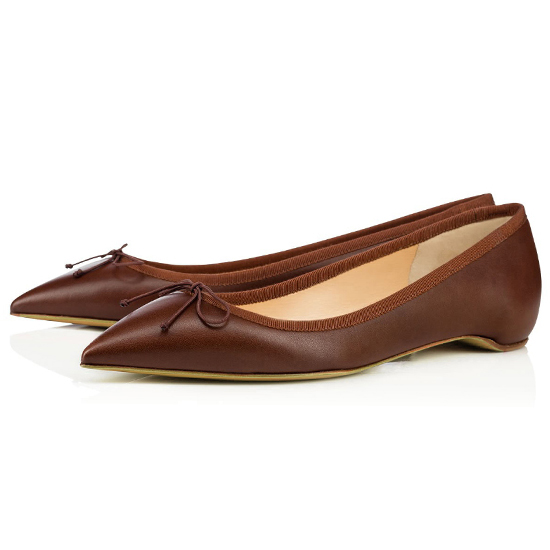
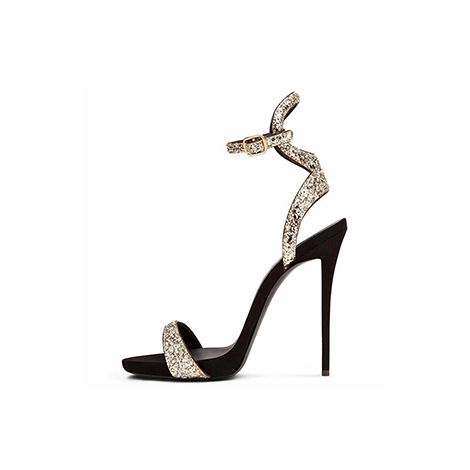


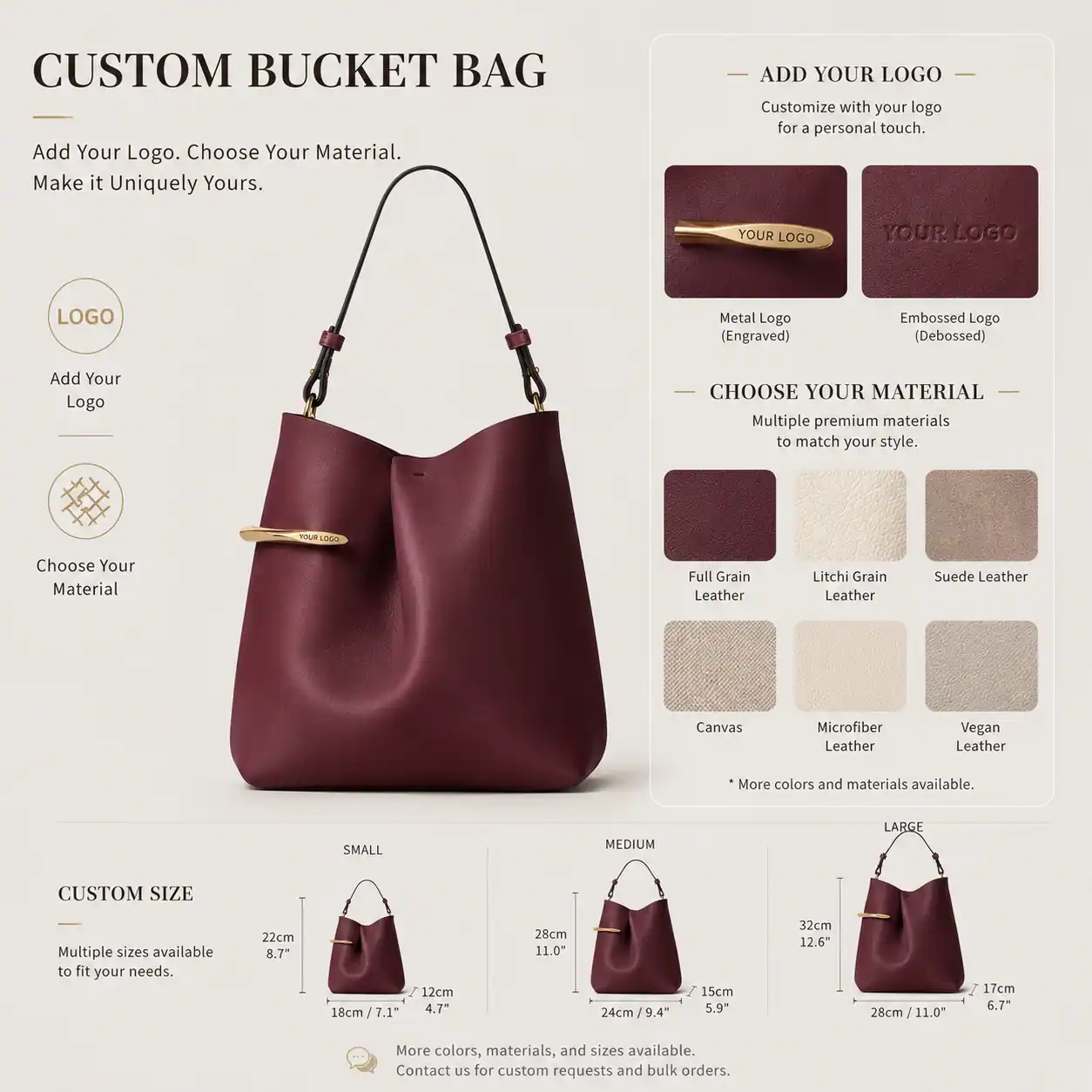
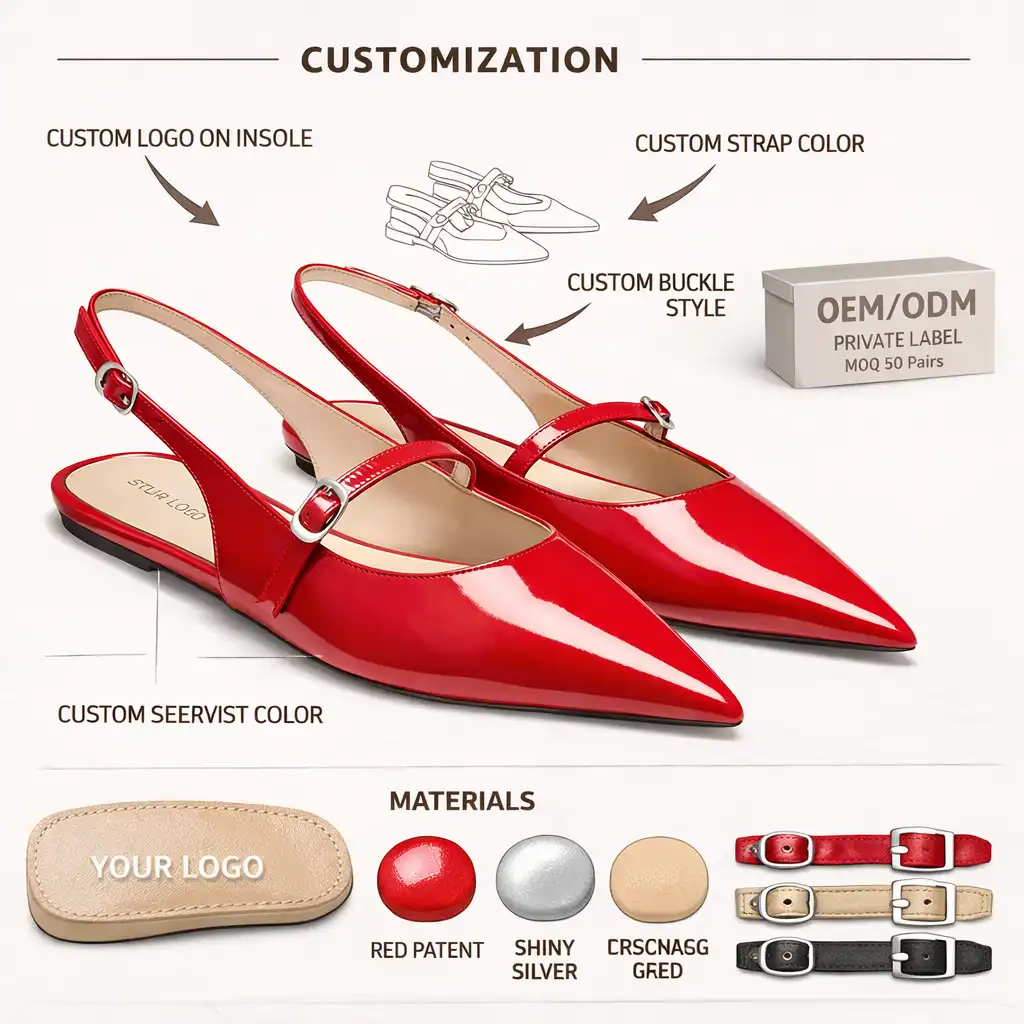
Ethical Shoe Manufacturers Industry Giant Market Leader
As a global buyer, you need a partner who combines scale with ethics. The industry leader shows auditable social and environmental commitments across the supply chain, from worker welfare to responsible sourcing and transparent reporting. This integrity reduces risk and boosts brand trust in diverse markets. Capable of high-volume programs, the leader uses rigorous supplier assessments, third‑party audits, and data‑driven QA to ensure consistency. Materials are responsibly sourced with traceable supply chains, pursuing energy efficiency, waste reduction, and safe chemical management, backed by recognized certifications. Global buyers gain from collaborative development, reliable lead times, and proactive risk management, plus end-to-end support from design to compliant documentation and after-sales service. Competitive pricing and responsible packaging accompany ESG data sharing, helping you meet regulatory demands and satisfy customers worldwide.
| Factory ID | Region | Annual Production (million pairs/year) | Energy Consumption (GWh/year) | CO2 Emissions (kt/year) | Water Usage (million L/year) | Recycled Materials (%) | Certifications | Employee Count | Women % of Workforce | Average Training Hours/Employee/Year | Factory Age (years) | ESG Risk Score | Audit Frequency (per year) |
|---|---|---|---|---|---|---|---|---|---|---|---|---|---|
| F-001 | North America | 25.4 | 120 | 23 | 7.5 | 42% | OEKO-TEX, Bluesign | 125000 | 41% | 28 | 25 | 72 | 3 |
| F-002 | Europe | 18.7 | 101 | 17 | 4.3 | 36% | OEKO-TEX, GOTS | 98000 | 46% | 26 | 18 | 65 | 4 |
| F-003 | Asia-Pacific | 34.1 | 150 | 39 | 9.8 | 55% | Bluesign, Fair Trade | 145000 | 39% | 31 | 32 | 78 | 2 |
| F-004 | Latin America | 12.3 | 88 | 12 | 3.1 | 40% | OEKO-TEX, GOTS | 76000 | 44% | 24 | 15 | 60 | 6 |
| F-005 | Africa | 29.6 | 135 | 28 | 6.7 | 39% | OEKO-TEX, Bluesign, GOTS | 132000 | 42% | 27 | 40 | 70 | 3 |
Related Products
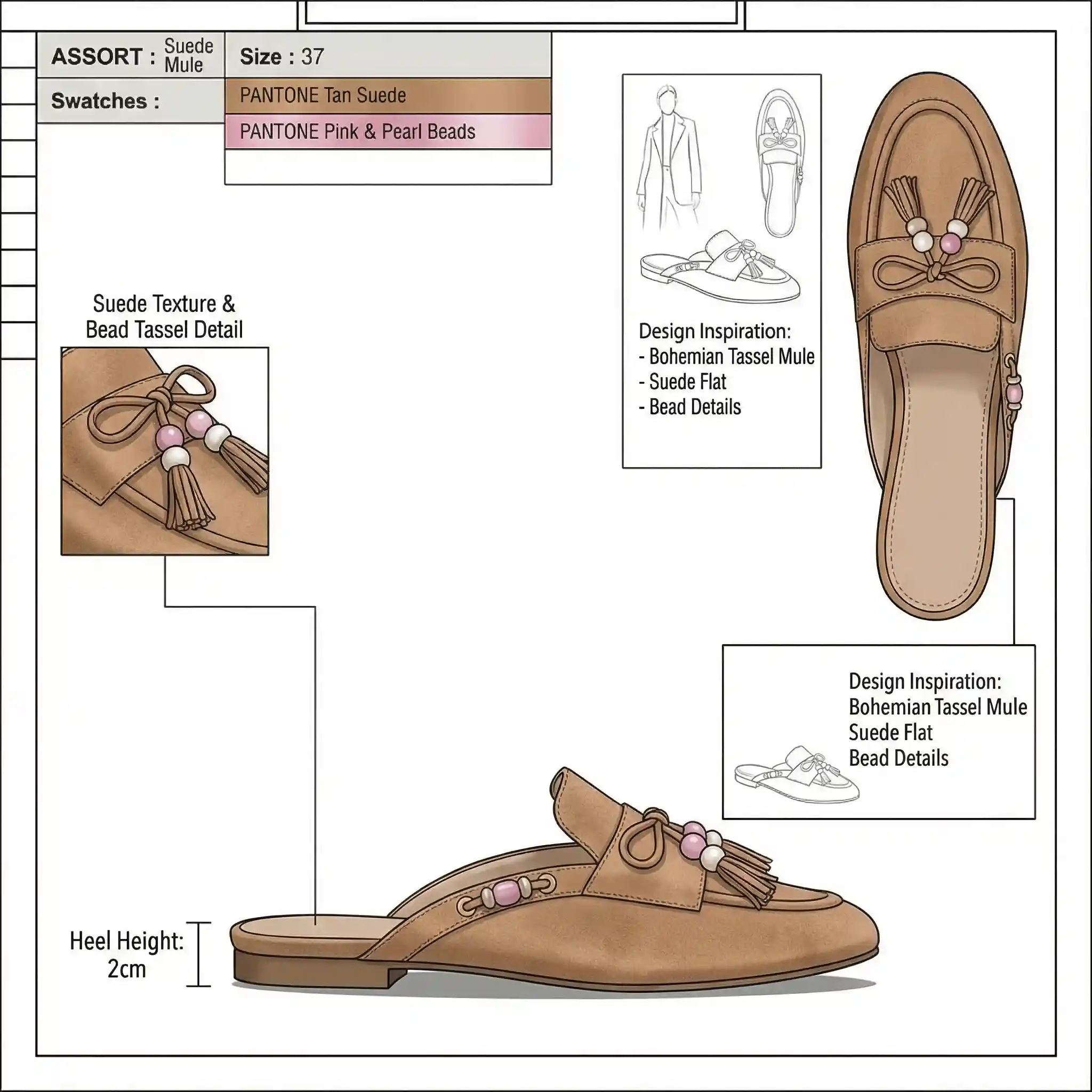
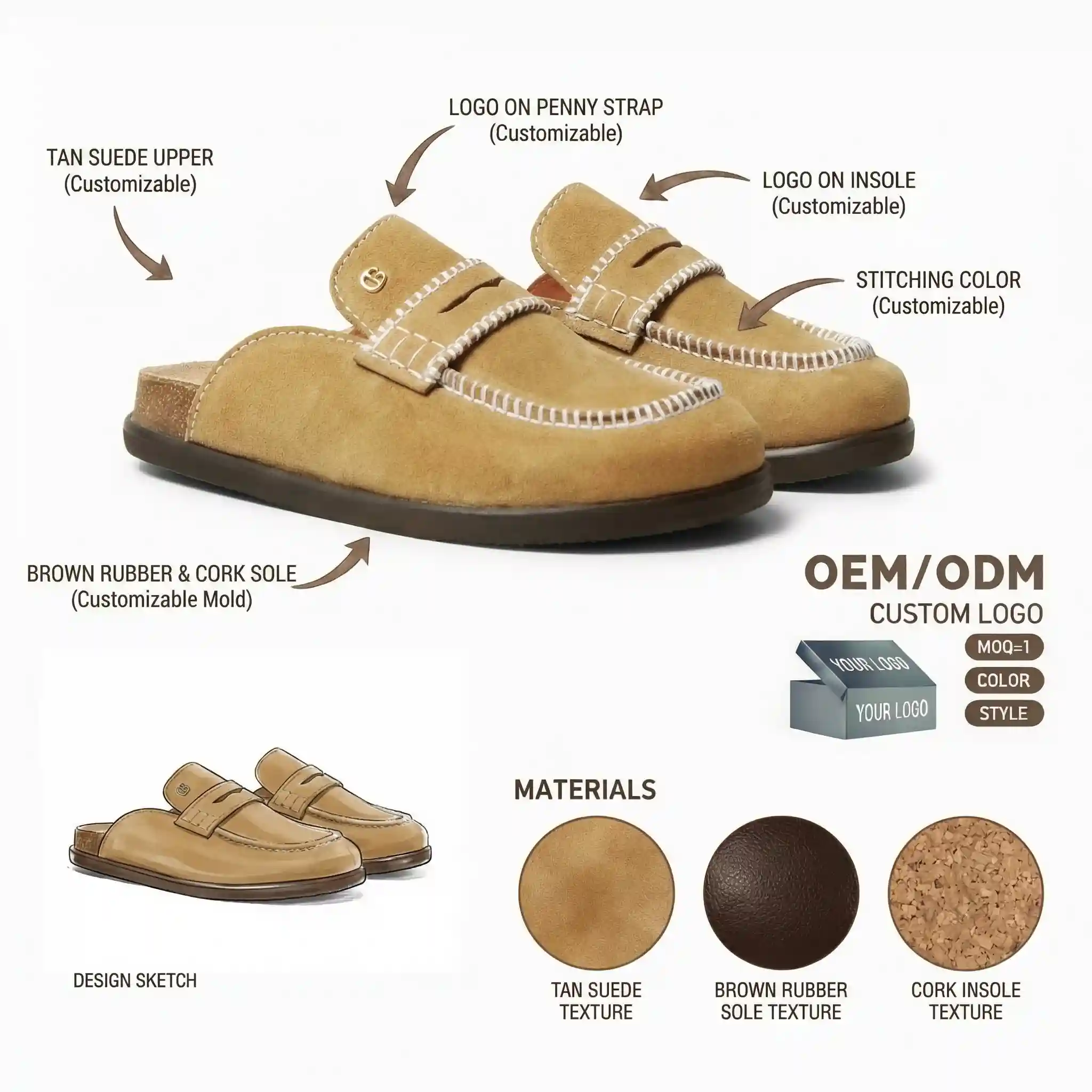


Ethical Shoe Manufacturers Where Innovation Meets 2025 Supplies the World\u2019s Top Brands
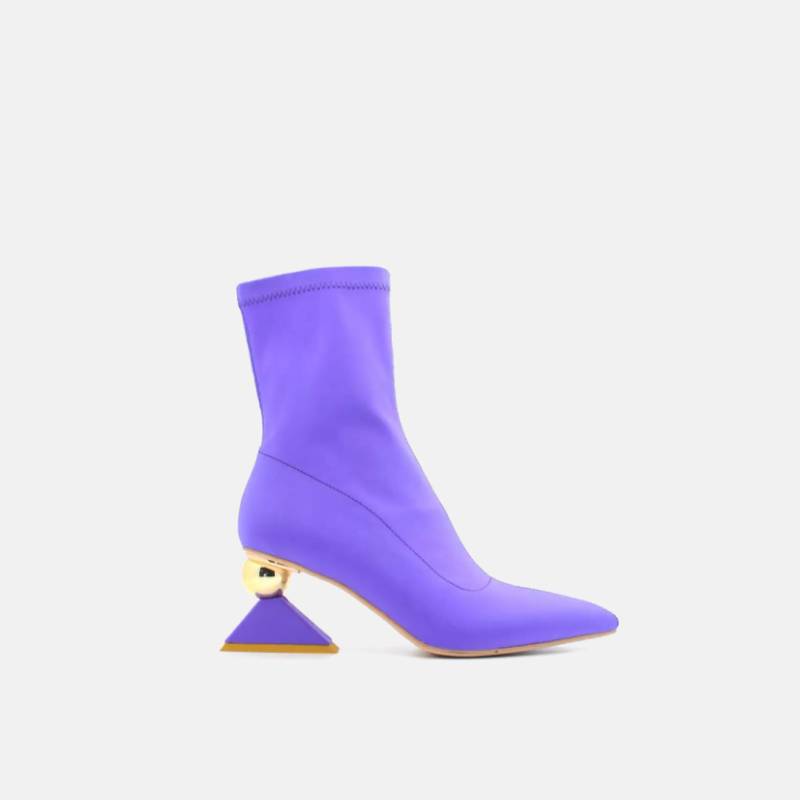
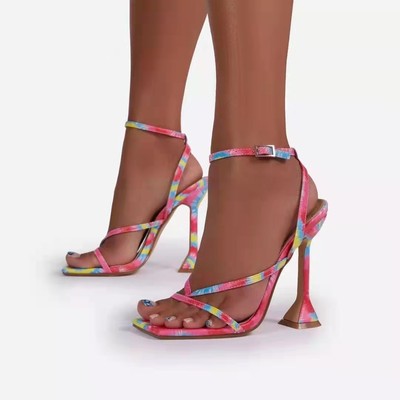
Top Selling Products

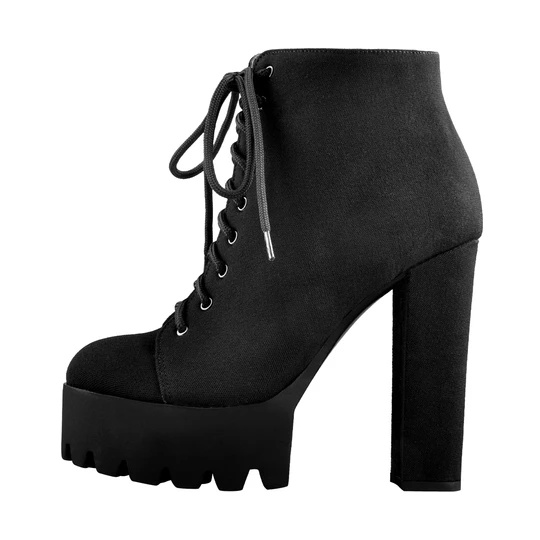
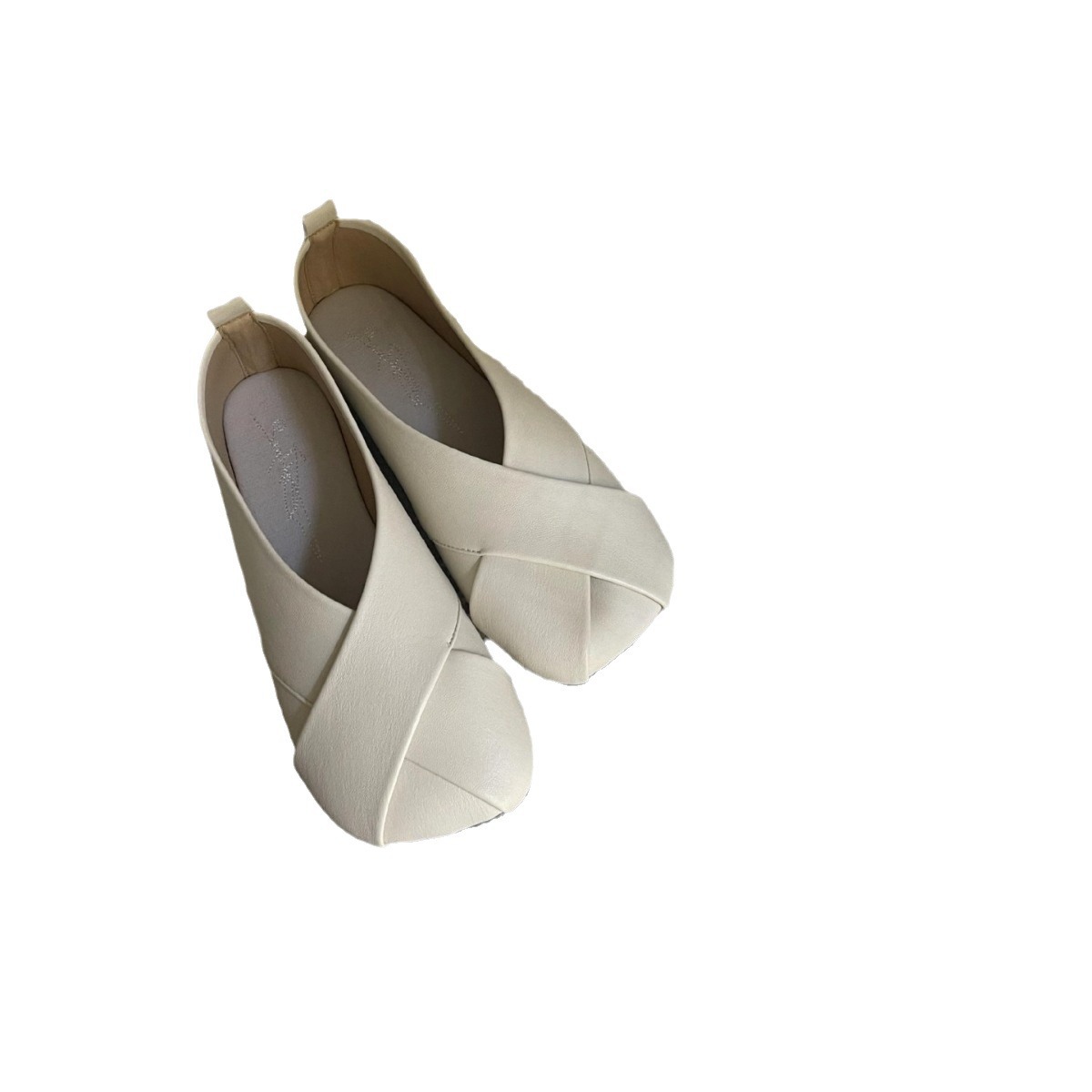


- Related Blog
- Reviews
- Reviews
