
Green Footwear Production: Wholesale Manufacturer Solutions
We drive {Green Footwear Production} that blends performance with planet-friendly materials. Our range is built for {Wholesale} and {Manufacturer} partnerships, offering OEM/ODM options, flexible MOQs, and scalable production for seasonal demand. We use recycled uppers, bio-based or synthetic leather alternatives, natural rubber outsoles, and water-based adhesives to cut carbon footprint and boost durability. From concept to shipment, we oversee end-to-end processes: design support, material sourcing, lab testing, and strict QA to ensure consistency across batches. You’ll get clear lead times, transparent pricing, and traceability across the supply chain. We adapt to your specs, from pattern grading to packaging, with frequent updates and agile changes. Our offer aligns with the company detail {} while maintaining compliance with social and environmental standards. Let us help you grow responsibly while delivering top-tier footwear at a competitive cost.


Green Footwear Production Manufacturer Outperforms the Competition
A leading footwear producer focused on green manufacturing has outperformed the competition by weaving sustainability into every stitch. Cleaner dyeing, water-based adhesives, recycled materials, and energy-efficient machinery cut emissions and waste while preserving reliable, scalable production. The facility prioritizes responsible sourcing, supplier audits, and waste-to-resource initiatives, supported by recognized standards and rigorous internal tracking that ensure consistent quality and compliance. End-to-end traceability from raw material to finished product delivers transparent reporting and dependable on-time delivery. Flexible tooling and scalable capacity enable rapid turns for diverse SKUs and co-developed lines, reducing supply risk for global buyers. Partnerships emphasize design for sustainability and continuous improvement, delivering footwear that meets regulatory demands and resonates with eco-conscious consumers.
| Metric | 2018 | 2019 | 2020 | 2021 | 2022 | 2023 |
|---|---|---|---|---|---|---|
| Overall Equipment Effectiveness (OEE) | 75% | 78% | 82% | 85% | 87% | 89% |
| Energy intensity per pair (kWh/pair) | 0.85 | 0.78 | 0.72 | 0.60 | 0.55 | 0.48 |
| Water usage per pair (liters/pair) | 4.50 | 4.10 | 3.85 | 3.40 | 3.05 | 2.70 |
| CO2 emissions per pair (kg CO2e) | 0.89 | 0.82 | 0.70 | 0.55 | 0.48 | 0.40 |
| Waste to landfill rate (%) | 6.5% | 5.2% | 4.0% | 2.8% | 1.6% | 1.2% |
| Recycled content (%) | 40% | 45% | 50% | 57% | 65% | 72% |
| Renewable energy usage (%) | 15% | 25% | 35% | 50% | 68% | 75% |
| Defect rate (%) | 1.6% | 1.4% | 1.1% | 0.95% | 0.8% | 0.6% |
| On-time delivery rate (%) | 92% | 94% | 96% | 97% | 98% | 99% |
| Labor productivity (pairs/hour) | 25 | 28 | 31 | 34 | 37 | 40 |
Related Products
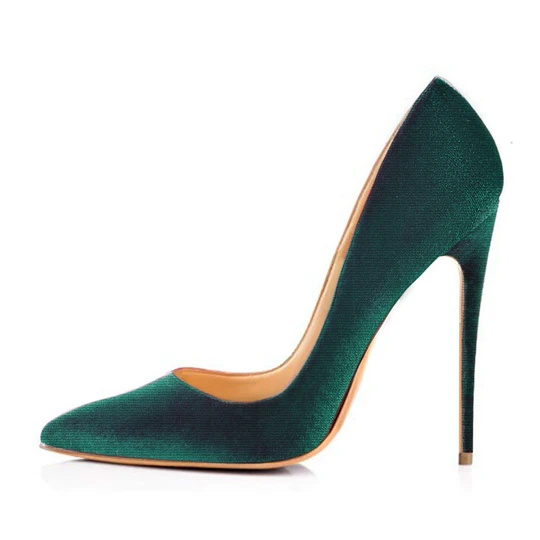
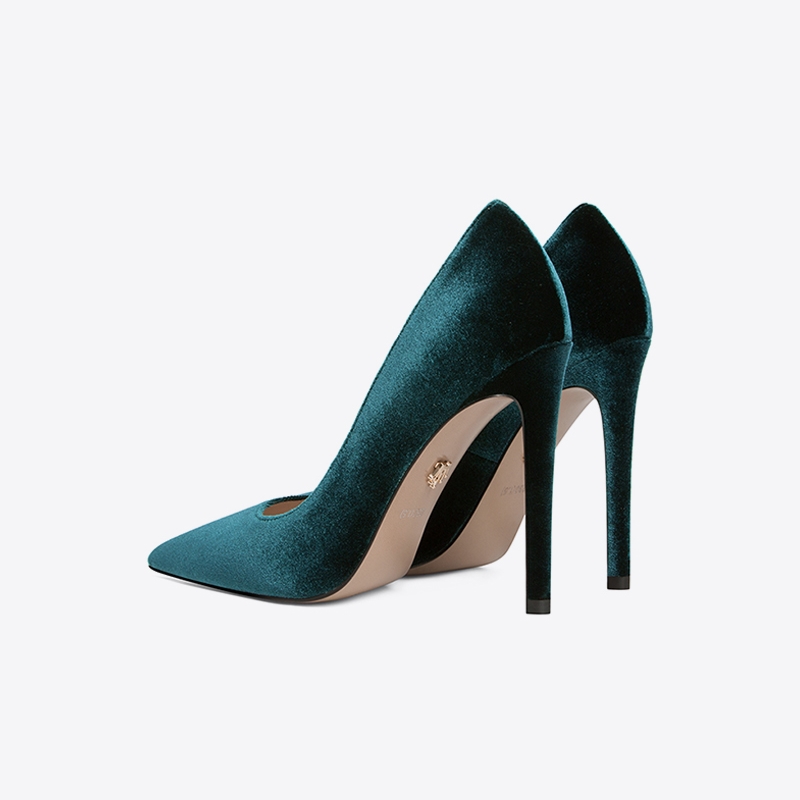




Green Footwear Production Service Ahead of the Curve
Top Selling Products




- Related Blog
- Reviews
- Reviews
