
Wholesale Slide Sandal Manufacturers | Manufacturer Directory
As one of the Slide Sandal Manufacturers you can trust, I offer clean, lightweight designs and dependable durability for bulk buyers. For Wholesale orders I provide competitive tiered pricing, flexible MOQs, and fast lead times to keep your shelves stocked. I’m a dedicated Manufacturer who handles materials, tooling, and QC in-house, so you won’t chase after defects. Our sandals feature cushioned insoles, adjustable straps, and non-slip outsoles ideal for daily wear in resorts, spas, and retail outlets. I provide OEM/ODM options, branding, and packaging customization to fit your market strategy. Communication is direct, and production schedules are transparent. Partner with me to simplify sourcing, reduce risk, and scale your footwear line with confidence. Let’s discuss styles, sizes, and Wholesale terms that fit your forecast.
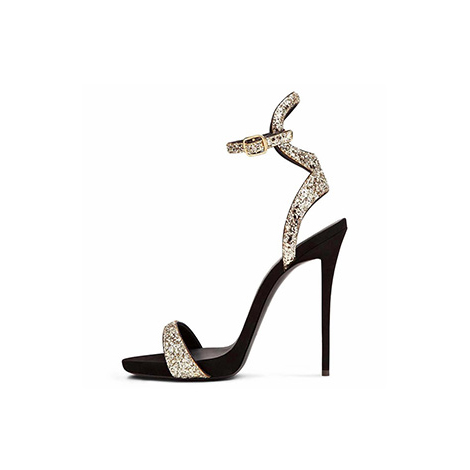


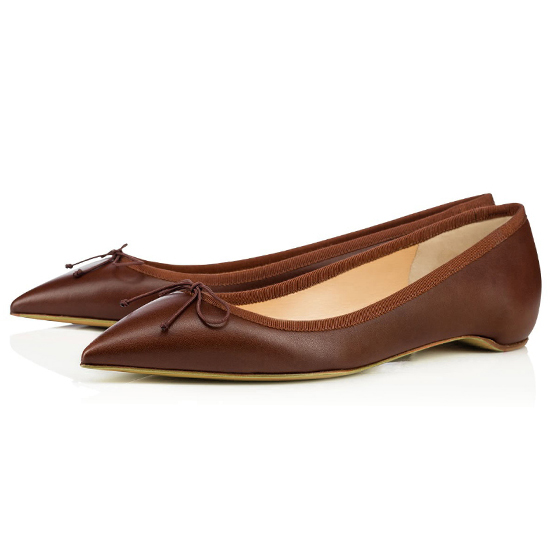
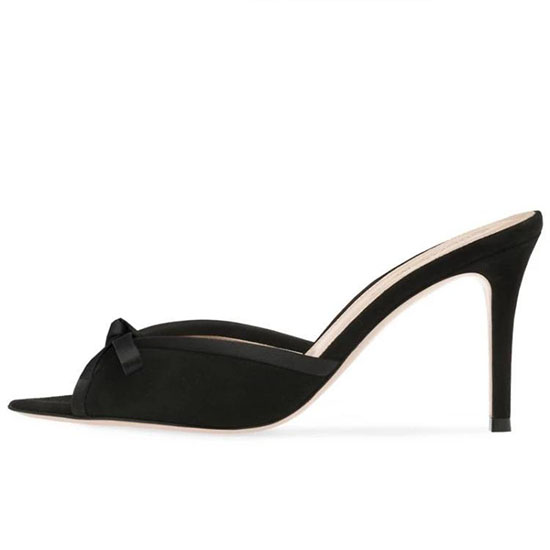
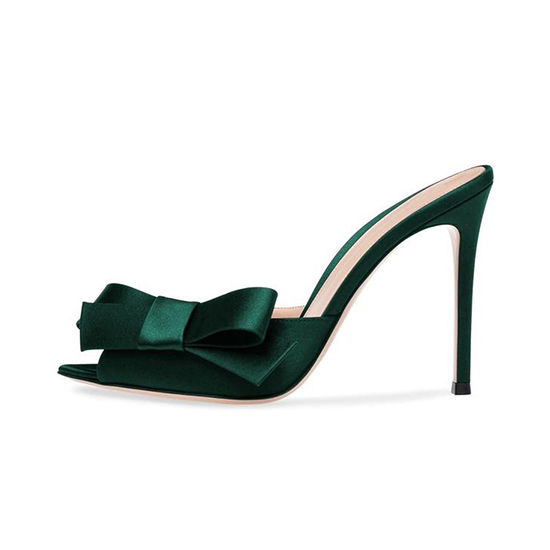
Slide Sandal Manufacturers Application Industry Leaders
Slide sandals are not just beach wear; they are versatile essentials for travel, hospitality, fitness, and daily use. Industry leaders in this field combine lightweight EVA foams, durable non-slip outsoles, water-friendly straps, and simple branding to deliver comfort and style across climates. From ergonomic footbeds to adjustable closures and anti-chafe linings, these manufacturers support designs that meet the demands of resorts, pools, gyms, and workwear—without sacrificing performance. Global buyers benefit from end-to-end capability: scalable production, strict QC, and flexible logistics that adapt to seasonal launches. Modern facilities use automation and standard testing to ensure consistent quality, with certifications that support safe, compliant products. Sustainable options—recycled materials, low-emission adhesives, and responsible sourcing—are increasingly available. A capable partner provides transparent lead times, rapid sampling, and tailored packaging to streamline procurement and speed to market worldwide.
| Region | Production Capacity (million pairs/year) | Market Share (%) | CAGR 2023-2026 (%) | Lead Time (weeks) | Automation Level (%) | Sustainability Certifications | Avg. Material Recycling Rate (%) |
|---|---|---|---|---|---|---|---|
| Asia-Pacific | 420 | 45 | 7.5 | 3 | 68 | 6 | 32 |
| Europe | 120 | 25 | 5.0 | 2.5 | 78 | 7 | 52 |
| North America | 90 | 18 | 6.0 | 3.0 | 72 | 5 | 40 |
| Latin America | 40 | 7 | 4.5 | 4.0 | 55 | 3 | 28 |
| Middle East & Africa | 20 | 5 | 3.0 | 4.0 | 50 | 2 | 22 |
Related Products
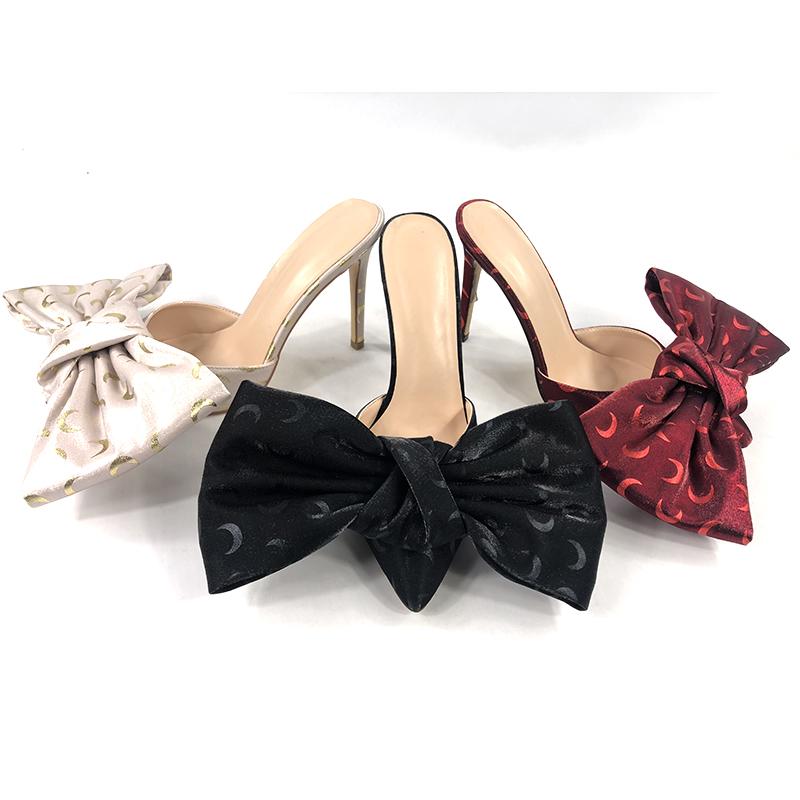
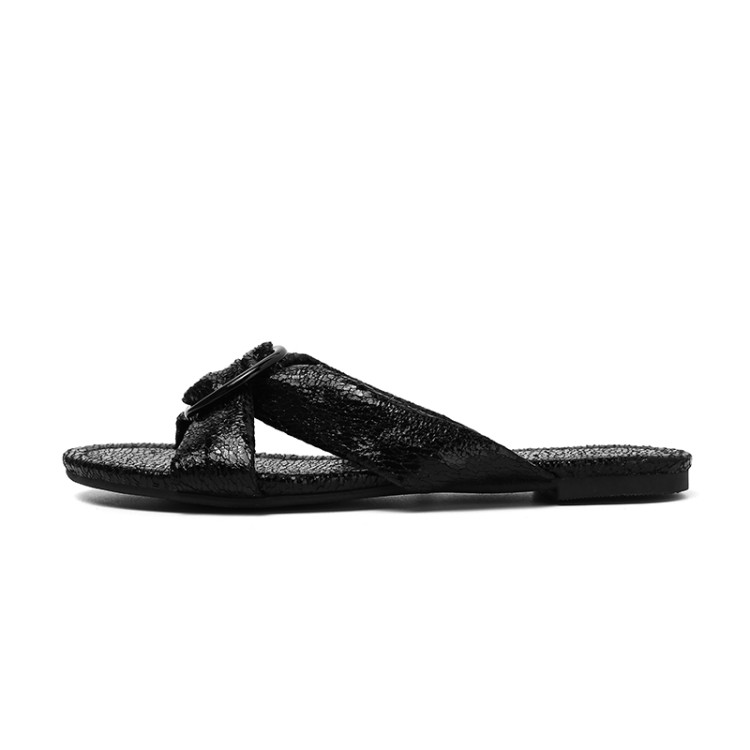
Slide Sandal Manufacturers Is The Best Now Trending
Top Selling Products



- Related Blog
- Reviews
- Reviews
