
Artisanal Shoe Production: Wholesale Manufacturer Solutions
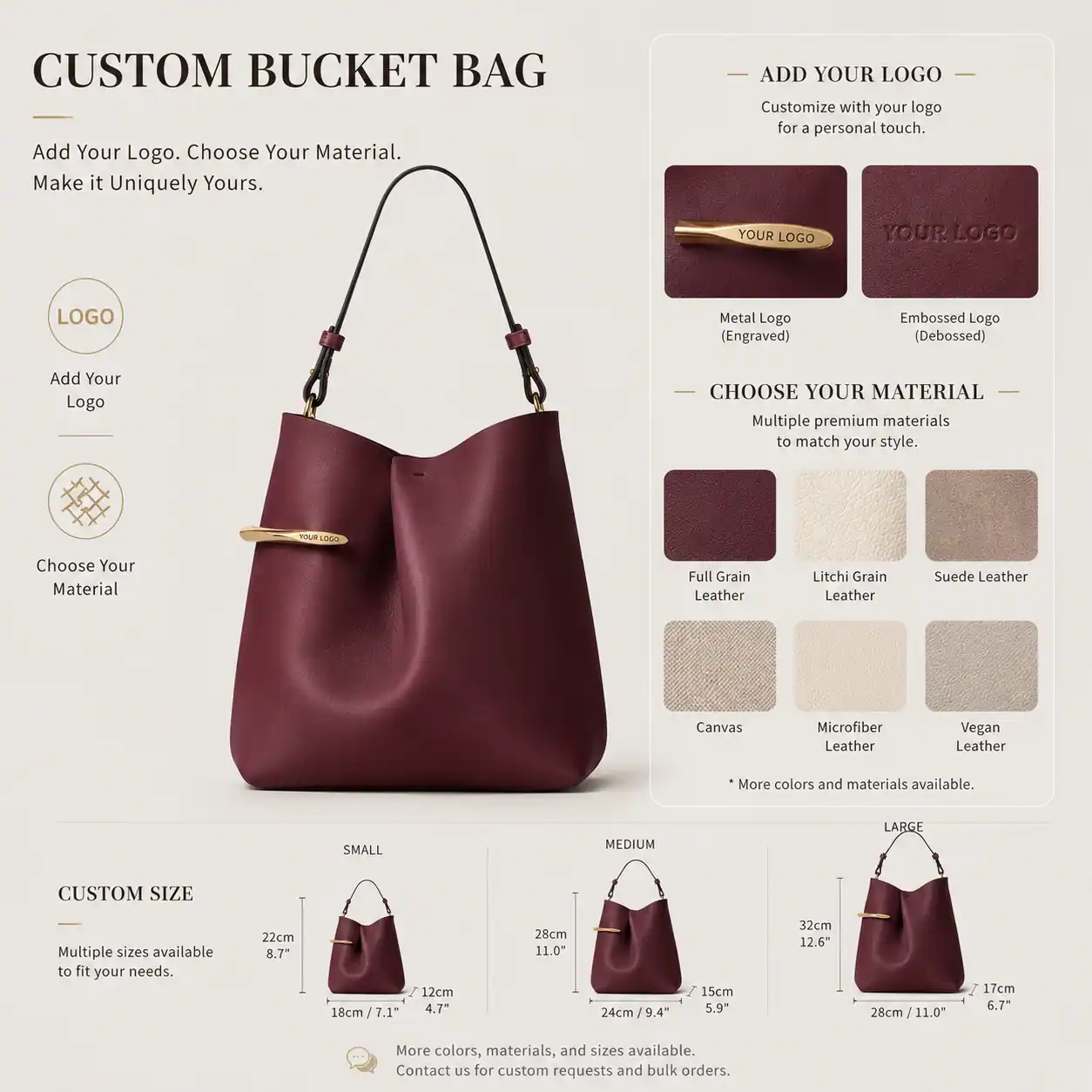
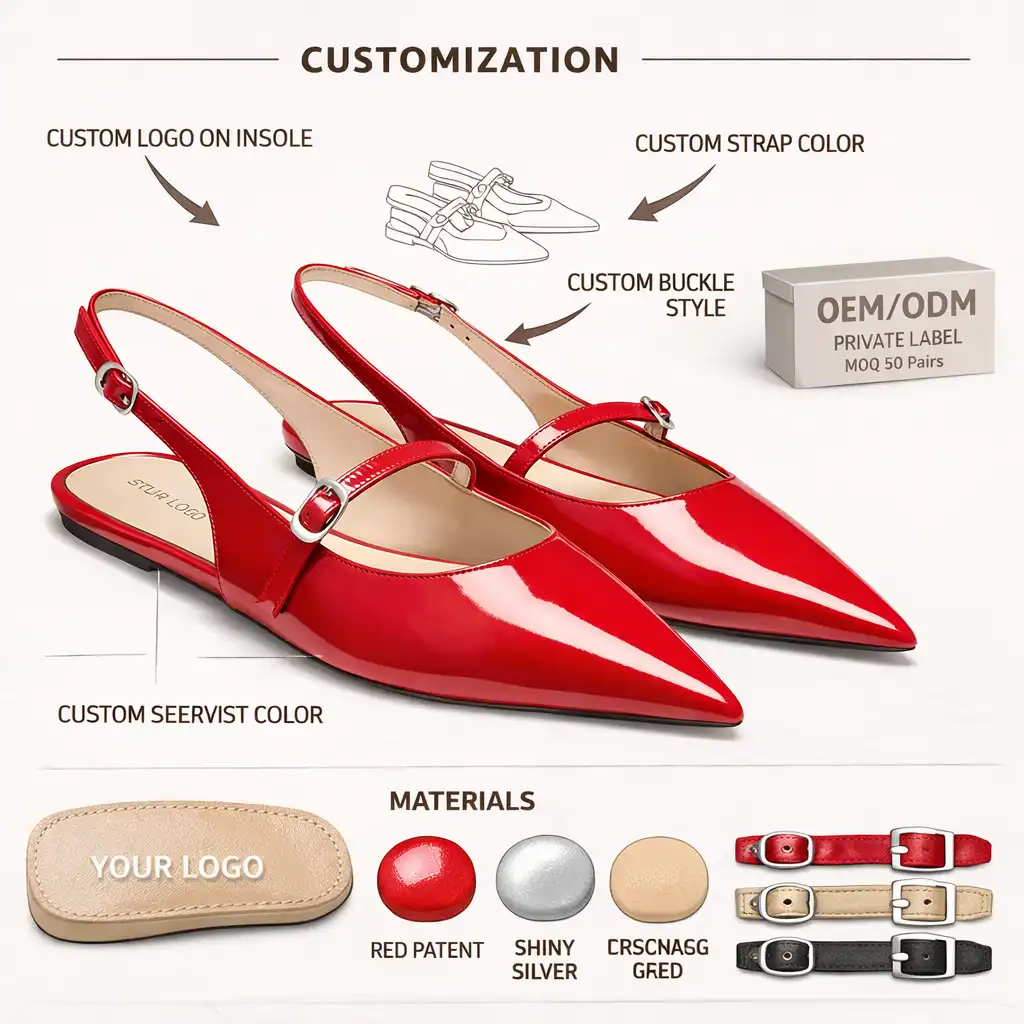
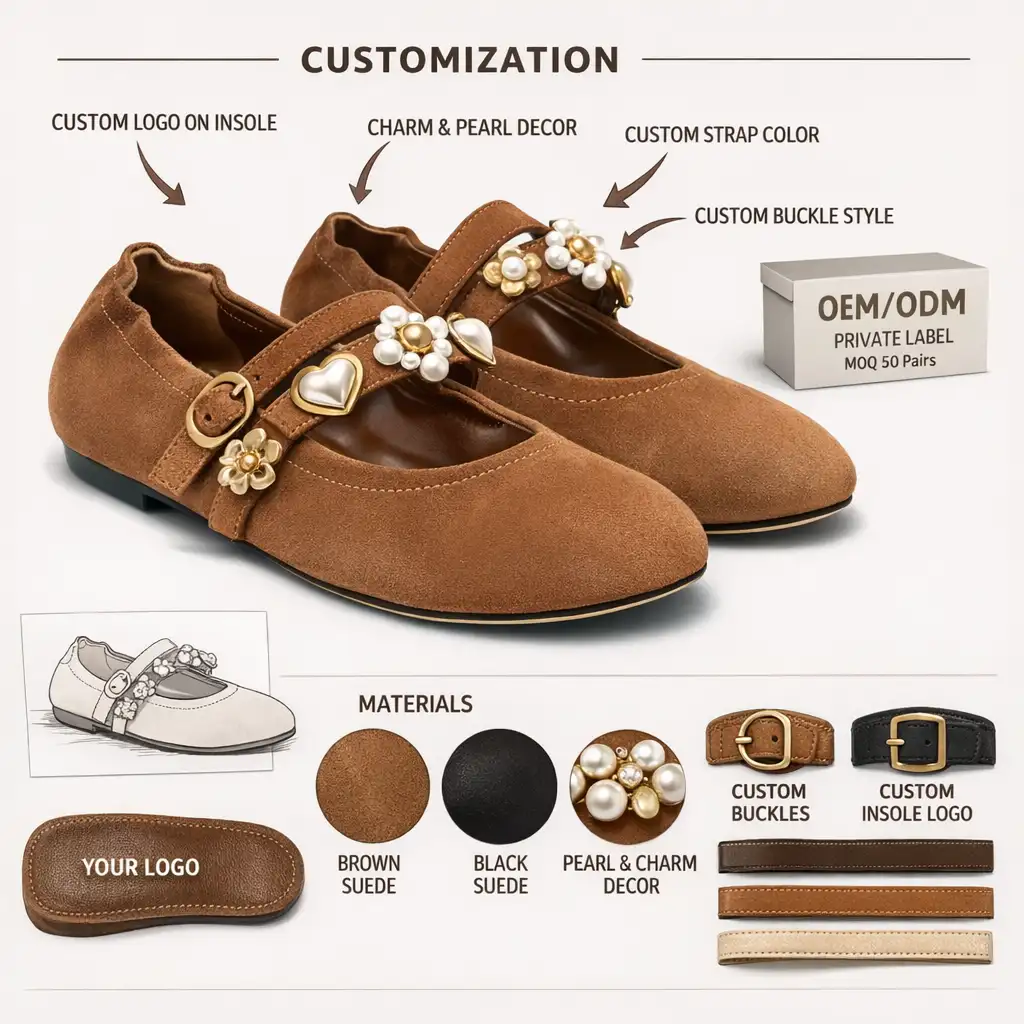
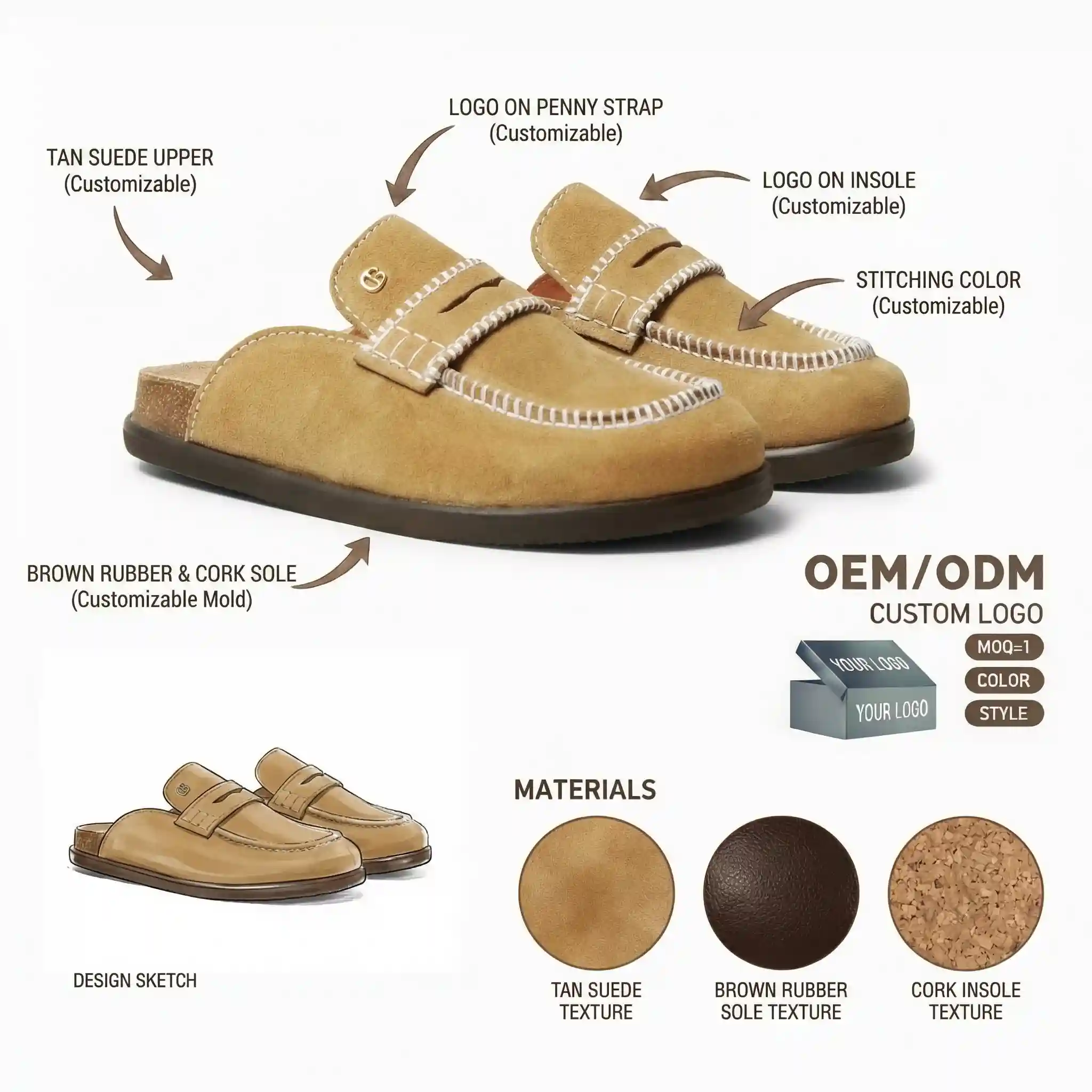
From the bench to your catalog, I craft Artisanal Shoe Production with care, marrying traditional handwork to scalable processes. As a Wholesale partner and Manufacturer, I know what shop owners and distributors demand: consistent sizing, small-batch flexibility, and reliable lead times. Our workshop blends old-world saddle stitching, full-grain leathers, and modern lasts to deliver durability and character in every pair. We offer private label and co-branded options, plus transparent pricing, minimums that respect your inventory, and adjustable MOQs for seasonal drops. You will get samples in two weeks, full QC checks, and a responsive team that treats your orders as long-term partnerships. I can tailor colors, uppers, and outsole details to fit your market, from classic to contemporary. If you want steady supply, ethical sourcing, and artisanal craft with scalable capacity, let's discuss your catalog needs and timelines.

Artisanal Shoe Production Application Manufacturers You Can Rely On
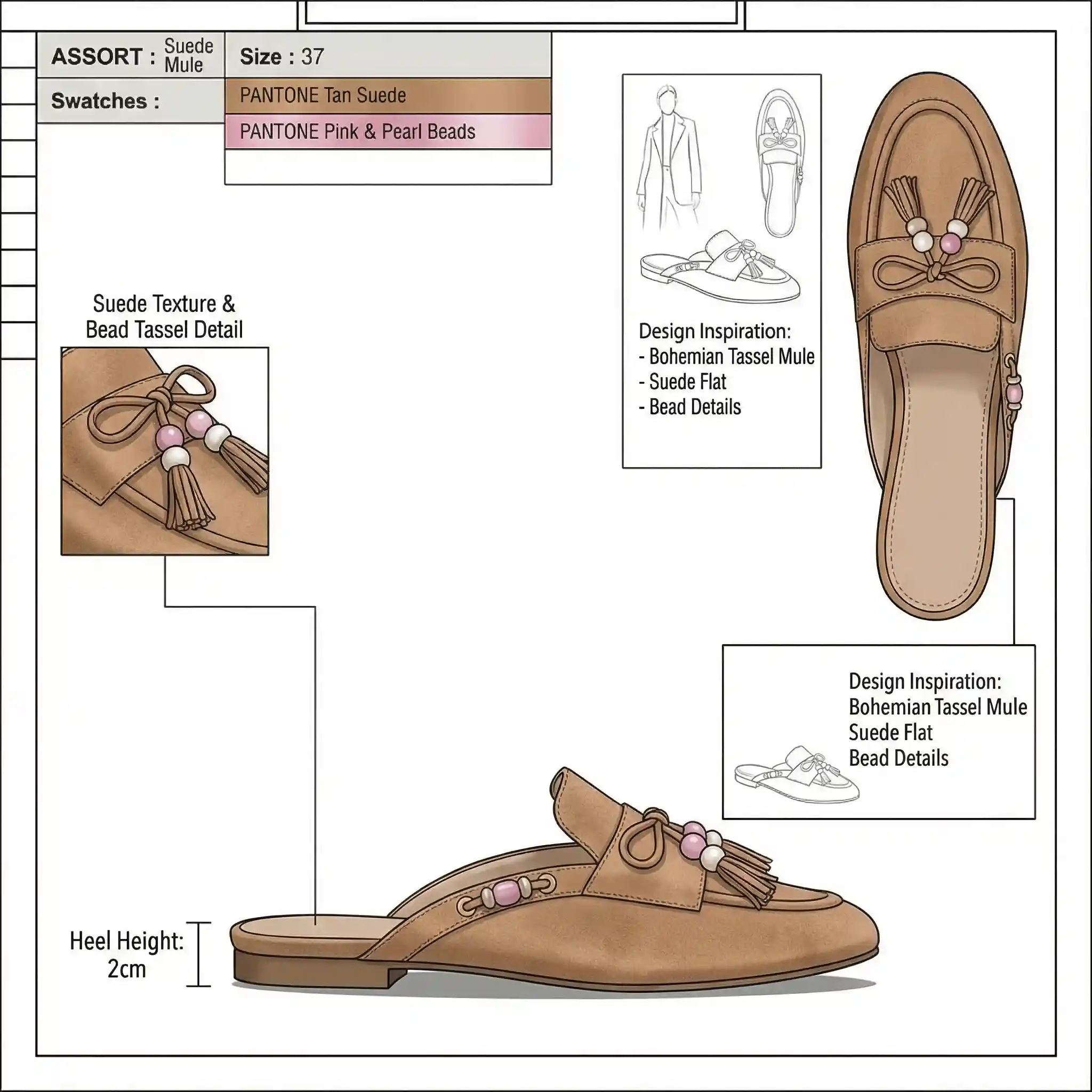
Global buyers seeking artisanal shoe production often balance craftsmanship with scalable supply. A reliable manufacturer blends traditional handwork with modern tooling—custom lasts, precise stitching, and refined finishes—so you can deliver distinctive designs without sacrificing consistency or lead times. From prototyping to small-batch runs or full production, such partners translate your concept into durable footwear with an authentic artisanal feel. Reliability shows in a transparent sampling process, staged QA, and documented material sourcing. Look for OEM/ODM capabilities, clear bills of materials, flexible MOQs, and a robust logistics plan. Certifications, IP protection, ethical labor, and sustainable packaging add trust. The best partners offer rapid iterations, strict QA gates, and trackable shipments to global destinations. A Chengdu-based producer with strong craft heritage can connect design, tooling, and supply chains to serve global clients. By collaborating on validation, material choice, and quality gates, buyers reduce risk, shorten time-to-market, and gain authentic footwear with repeatable quality across regions.
| Region | Country | City | Year Established | Production Capacity (pairs/year) | Number of Artisans | Primary Materials | Craft Techniques | Lead Time (weeks) | Certification | Automation Level |
|---|---|---|---|---|---|---|---|---|---|---|
| Europe | Italy | Milan | 1985 | 12000 | 60 | Full-grain leather, suede | Goodyear welt; Blake stitching; Hand-stitched moccasin | 8 | Yes | Low |
| Europe | Spain | Alicante | 1992 | 9000 | 40 | Vegetable-tanned leather, suede | Blake stitching; Goodyear welt | 6 | Yes | Medium |
| Europe | Portugal | Braga | 1978 | 15000 | 45 | Leather; Canvas | Goodyear welt; Hand-stitched | 10 | No | Low |
| Asia | India | Jaipur | 2005 | 15000 | 120 | Leather; Recycled fabrics | Hand-stitched; Moccasin | 4 | No | Low |
| Asia | Vietnam | Ho Chi Minh City | 2010 | 8000 | 70 | Suede; Leather | Goodyear welt; Blake stitching | 5 | No | Medium |
| Asia | China | Guangzhou | 1998 | 12000 | 50 | Leather | Blake stitching; Goodyear welt | 6 | Yes | Medium |
| Europe | Turkey | Istanbul | 1989 | 11000 | 60 | Leather; Textile | Goodyear welt; Hand-stitched | 8 | Yes | Low |
| Africa | Morocco | Casablanca | 1999 | 6000 | 40 | Leather; Jute | Goodyear welt; Hand-cut | 7 | No | Low |
| North America | United States | Portland, OR | 1996 | 7000 | 35 | Leather | Blake stitching; Hand-sewn | 6 | Yes | Medium |
| South America | Peru | Lima | 2002 | 3500 | 25 | Leather; Alpaca fiber | Moccasin; Hand-stitched | 7 | No | Low |
Related Products


Artisanal Shoe Production Factory Service Backed by Expertise
Top Selling Products






- Related Blog
- Reviews
- Reviews
