
Green Shoe Production Methods for Wholesale and Manufacturer
I’m a dedicated footwear producer who puts sustainability at the core of every stitch. As both a Wholesale partner and a Manufacturer, I understand your need for consistent supply and reliable quality. Our Green Shoe Production Methods blend recycled materials, water-based adhesives, and energy-efficient coatings to slash emissions without compromising comfort or durability. We control the process from start to finish, offering private label options and scalable capacity to meet seasonal spikes. You’ll get clear batch traceability, compliant waste management, and ISO-standard quality checks at every stage. From initial samples to large runs, we tailor sizes, colors, and packaging to your market. Competitive pricing, flexible MOQs, and fast lead times make us a smart choice for retailers, distributors, and brands seeking responsible, cost-effective footwear. Tell me your target volumes and I’ll map a production plan that fits your Wholesale strategy and strengthens your Manufacturer credentials.


Green Shoe Production Methods Factory More Than a Supplier - A Partner
We are a manufacturing partner that blends sustainable design with scalable production to help global buyers bring eco-friendly footwear to market. Our green shoe production methods prioritize recycled and bio-based materials, water-based adhesives, solvent-free molding and low-VOC finishes, while incorporating energy-efficient ovens, water-recovery systems and waste-to-energy practices on the shop floor. In-house R&D and testing labs ensure durability, comfort and compliance with international standards so products meet both eco-credentials and retail expectations. Beyond supply, we act as an extension of your team—offering design collaboration, rapid prototyping, flexible MOQs, transparent cost modeling and full traceability across the supply chain. By aligning quality management, compliance documentation and reliable logistics, we reduce time-to-market and total cost of ownership while helping brands tell a credible sustainability story. Let’s co-develop footwear lines that meet global performance requirements and rising consumer demand for greener choices.
| Method | Production Capacity (pairs/day) | Lead Time (days) | Energy Intensity (kWh/pair) | Water Usage (liters/pair) | Waste Rate (%) | Recycled Material Usage (%) | CO2 Emissions (kg/pair) | Labor Hours per 1000 pairs | Certifications | Quality Yield (%) | Noise Level (dB) | On-time Delivery Rate (%) |
|---|---|---|---|---|---|---|---|---|---|---|---|---|
| Manual Assembly | 600 | 3 | 3.50 | 10 | 6.0 | 10 | 0.82 | 180 | ISO 9001; ISO 14001; OEKO-TEX | 92 | 70 | 92 |
| Semi-Automated Assembly | 1200 | 3 | 2.20 | 6 | 4.0 | 25 | 0.60 | 120 | ISO 9001; ISO 14001; OEKO-TEX | 95 | 68 | 95 |
| Automated Cutting & Stitching | 2400 | 4 | 1.80 | 4 | 2.5 | 40 | 0.50 | 80 | ISO 9001; ISO 14001; OEKO-TEX | 97 | 65 | 98 |
| Green Eco-Optimized | 1500 | 3 | 1.40 | 2 | 1.5 | 60 | 0.25 | 60 | ISO 9001; ISO 14001; OEKO-TEX | 99 | 60 | 99 |
| Local Sourcing Hybrid | 1800 | 2 | 2.00 | 5 | 2.0 | 30 | 0.40 | 100 | ISO 9001; ISO 14001; OEKO-TEX | 96 | 62 | 97 |
Related Products
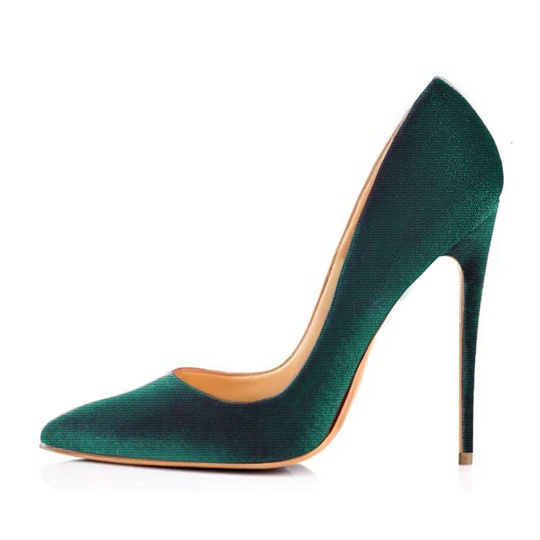
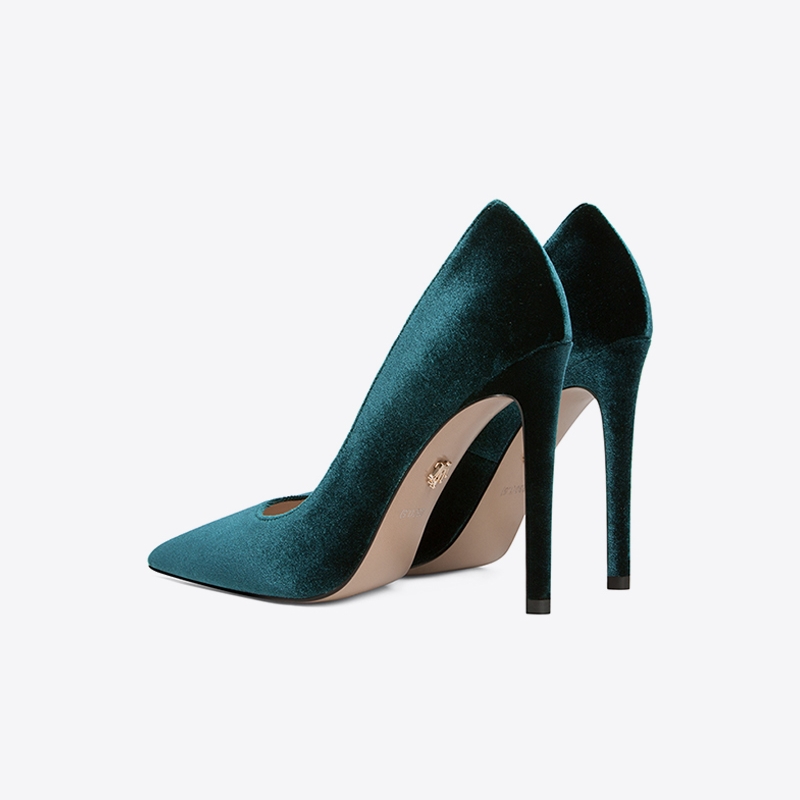
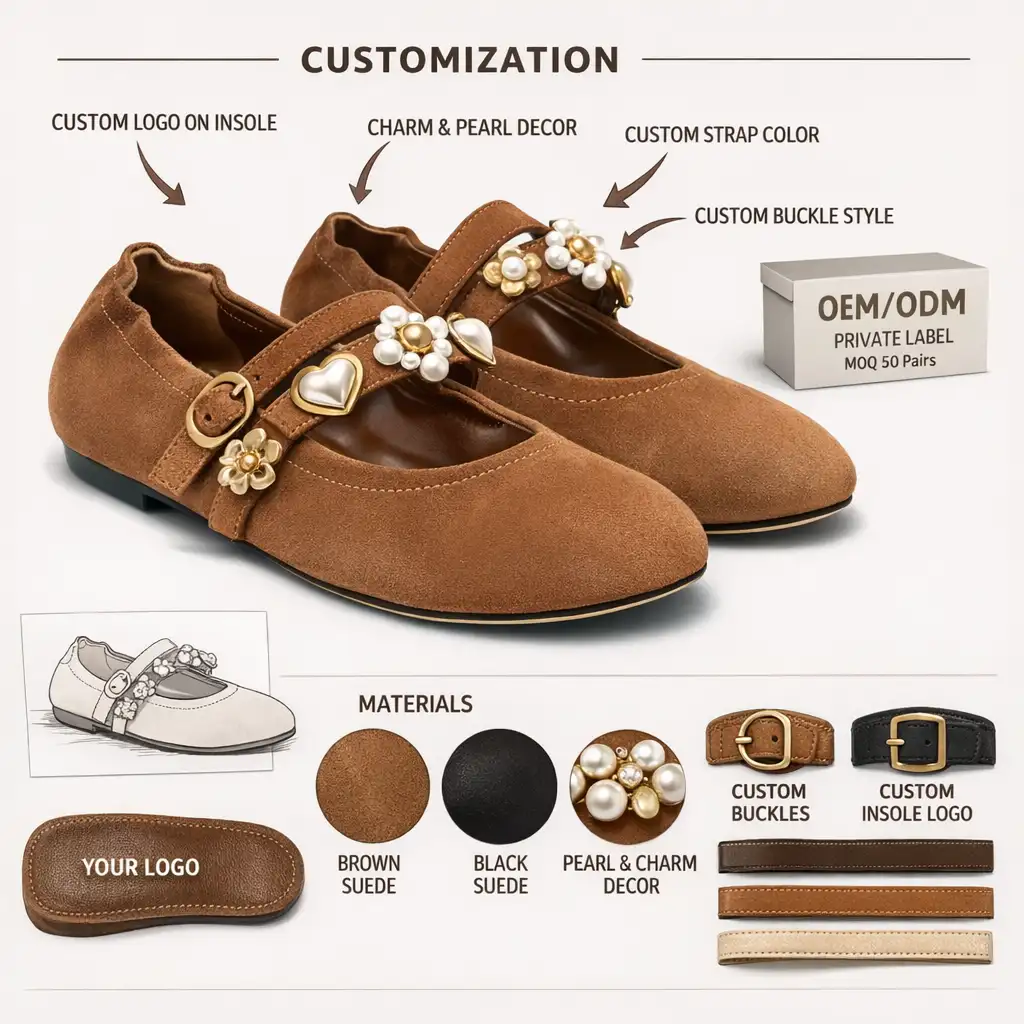
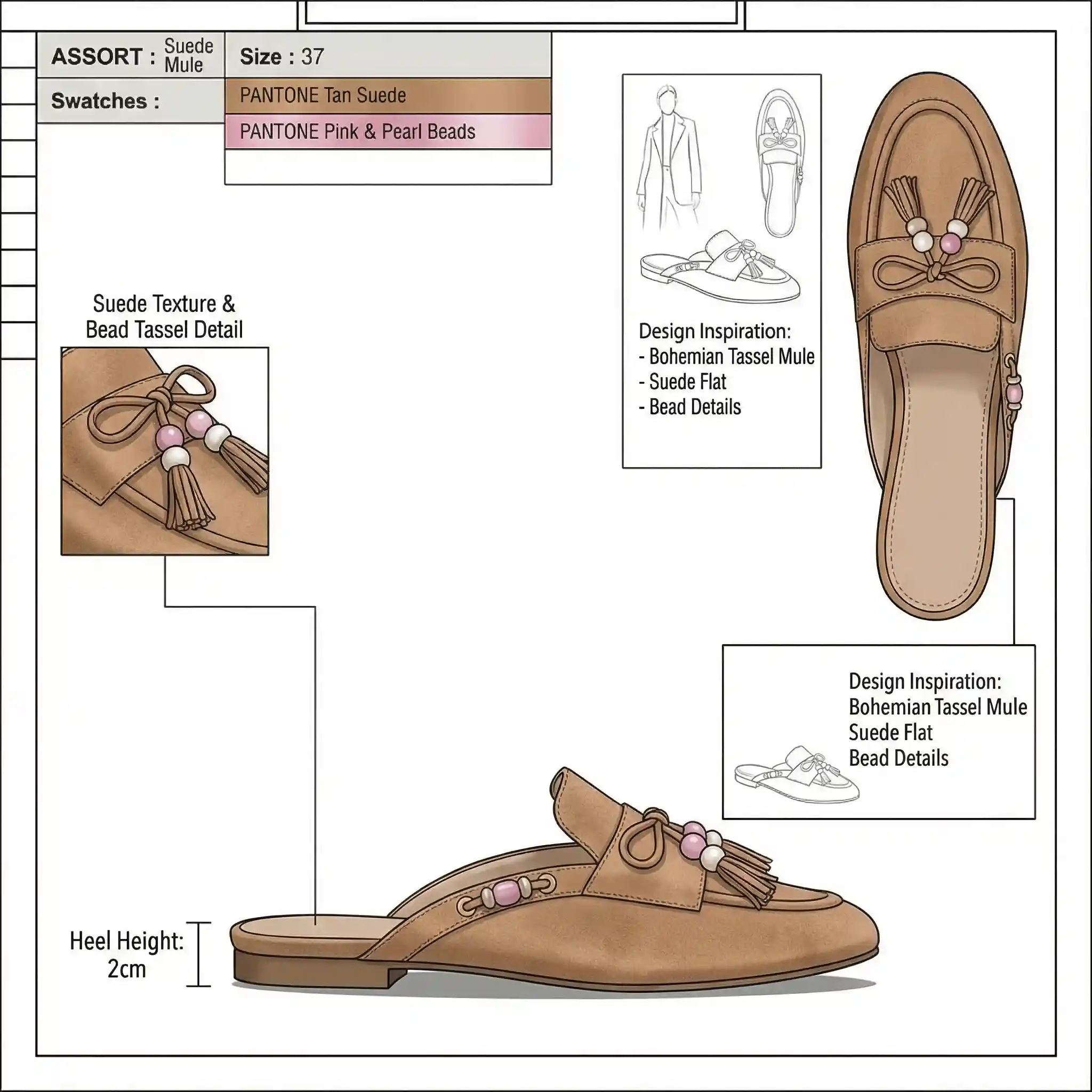
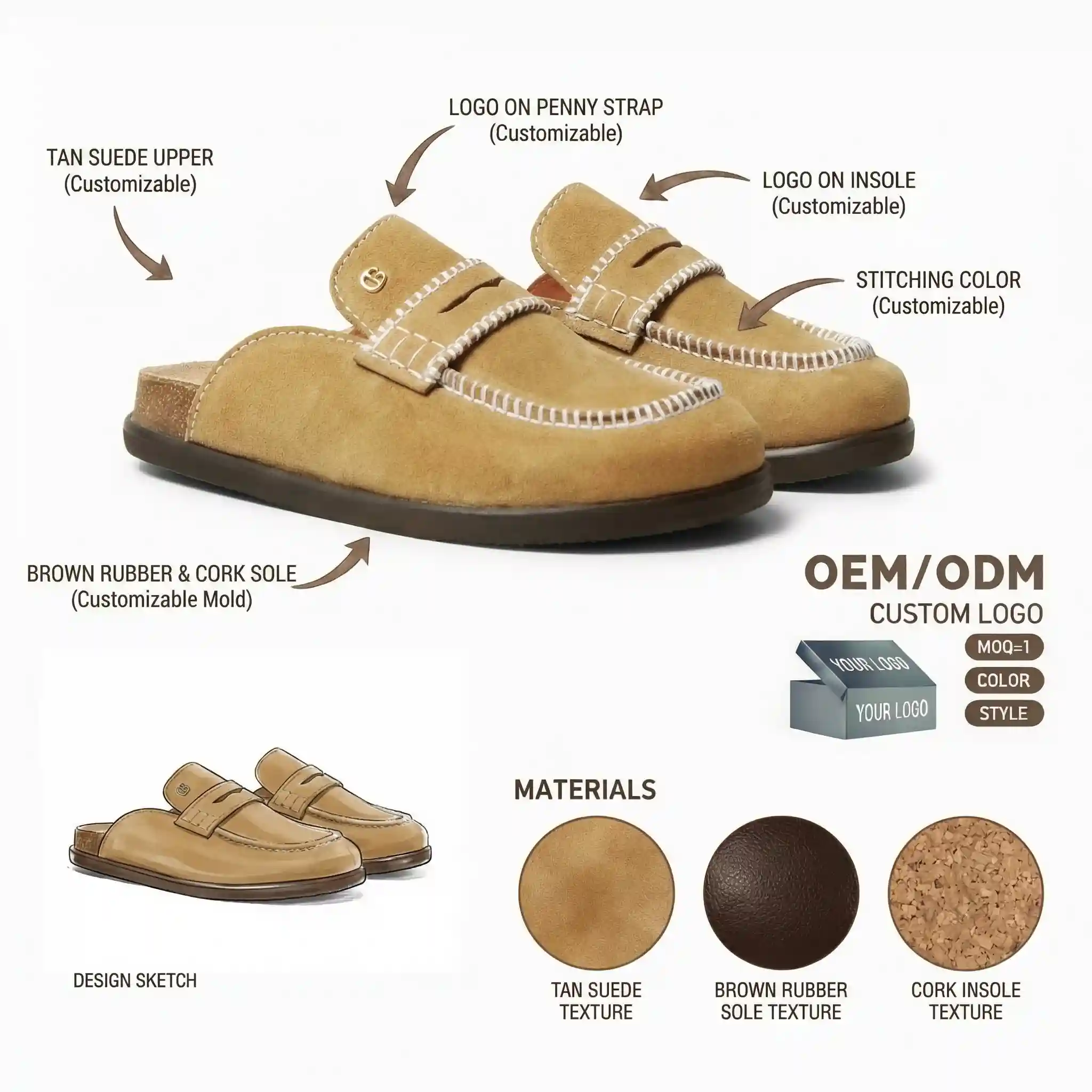

Green Shoe Production Methods Products Ahead of the Curve
Top Selling Products


- Related Blog
- Reviews
- Reviews
