
Leather Shoe Factory - Wholesale Manufacturer of Quality Shoes
As a Leather Shoe Factory, we design and produce premium footwear for Wholesale channels and brand partners. We are a reliable Manufacturer with strict QC and scalable production lines, offering OEM/ODM services to meet your private label needs. Our team blends traditional handcraft with modern equipment to deliver durable, comfortable leather shoes in a wide range of styles. We offer mid-to-high end leathers, full-grain, corrected-grain, suede options, and various sole systems. MOQ friendly for new brands, transparent lead times, and flexible packaging. We can tailor sizes, fittings, and packaging to your market. Our in-house R&D accelerates style development; our QA team checks every pair before dispatch. We ship worldwide with competitive pricing, dependability, and consistent supply. If you’re seeking a dependable Wholesale partner or a capable Manufacturer to scale production, we’re ready to discuss your specs, timelines, and volume targets.


Leather Shoe Factory Now Trending Guarantees Peak Performance
A rising leather shoe factory is setting new standards by combining traditional craftsmanship with modern production technologies to guarantee peak performance. Using carefully selected full-grain and top-grain leathers, reinforced stitching, and ergonomically engineered soles, products undergo rigorous wear, flex and abrasion testing to ensure durability, comfort and consistent fit. Strict quality-control checkpoints, traceable material sourcing and compliance with international standards deliver footwear that meets demanding retail and industrial requirements worldwide. For global buyers, this trend means reliable supply, flexible OEM/ODM capabilities, competitive pricing and predictable lead times. Scalable production lines handle both small-volume custom runs and high-volume orders, while transparent inspection reports and pre-shipment samples minimize risk. Sustainability initiatives and efficient logistics further reduce total cost of ownership, making partnerships with modern leather manufacturers an attractive route to long-term value and market differentiation.
| Month | Operating Hours (hrs) | Total Pairs Produced | Defect Rate (%) | OEE (%) | Downtime (hrs) | Throughput (pairs/hr) | Energy Intensity (kWh/pair) | Maintenance Events |
|---|---|---|---|---|---|---|---|---|
| Jan 2025 | 480 | 5200 | 0.95 | 78 | 6 | 10.83 | 2.50 | 2 |
| Feb 2025 | 492 | 5800 | 1.10 | 82 | 5 | 11.80 | 2.30 | 3 |
| Mar 2025 | 510 | 6100 | 0.75 | 79 | 8 | 11.96 | 2.60 | 2 |
| Apr 2025 | 525 | 6450 | 1.00 | 83 | 4 | 12.29 | 2.20 | 4 |
| May 2025 | 480 | 7200 | 0.90 | 87 | 3 | 15.00 | 2.00 | 3 |
| Jun 2025 | 492 | 6800 | 1.20 | 85 | 7 | 13.82 | 2.40 | 2 |
Related Products


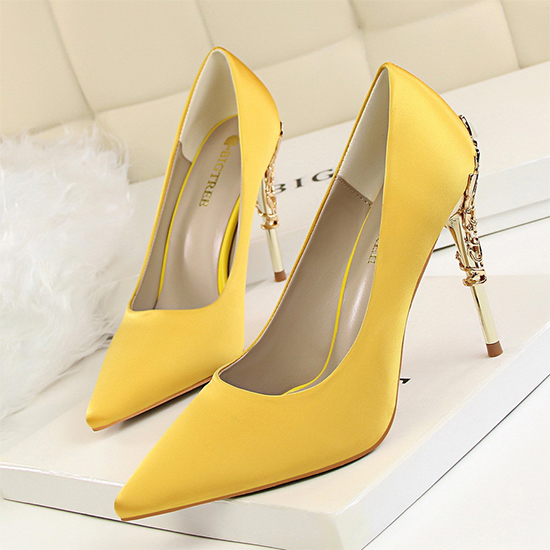
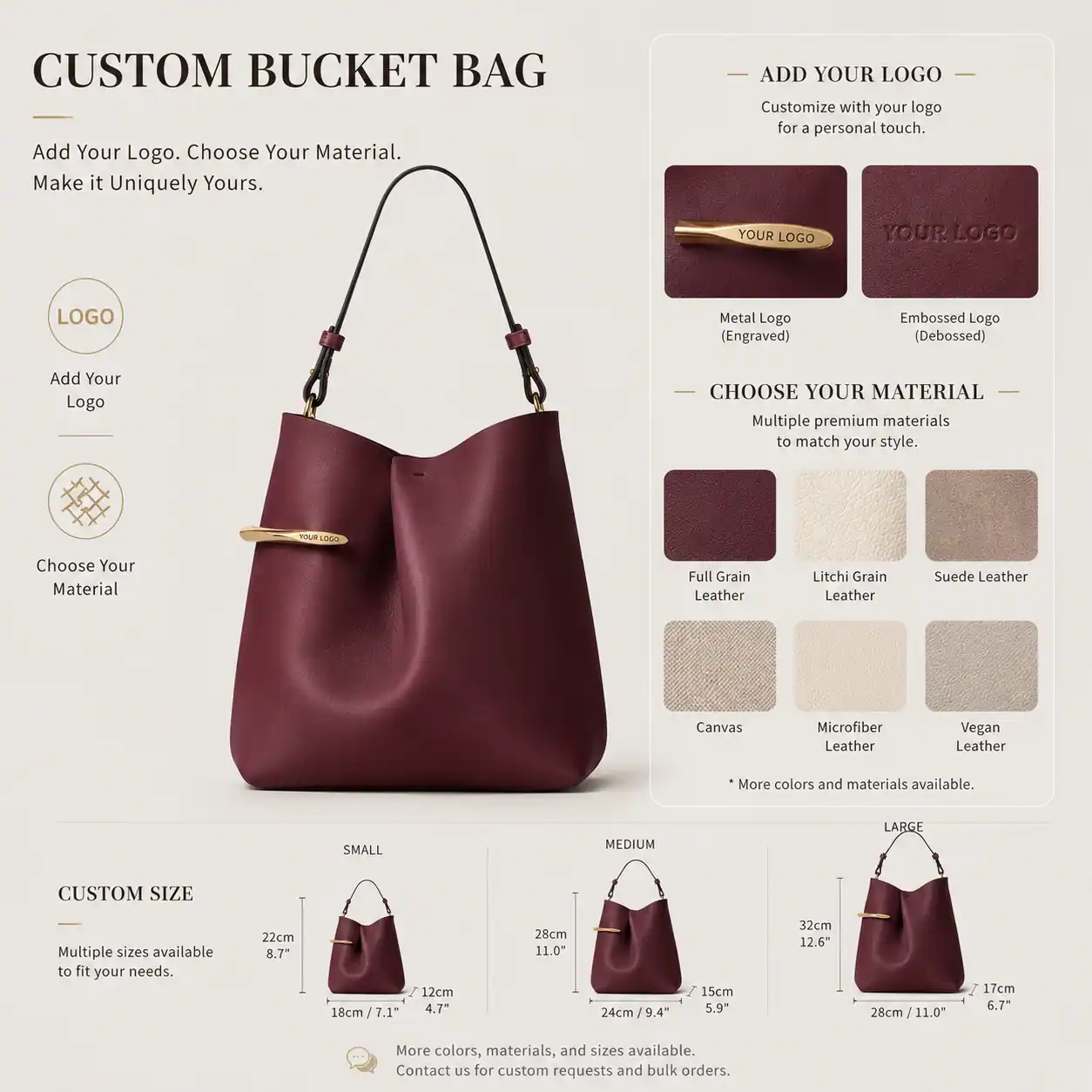

Leather Shoe Factory Application Where Service Meets Innovation
Top Selling Products
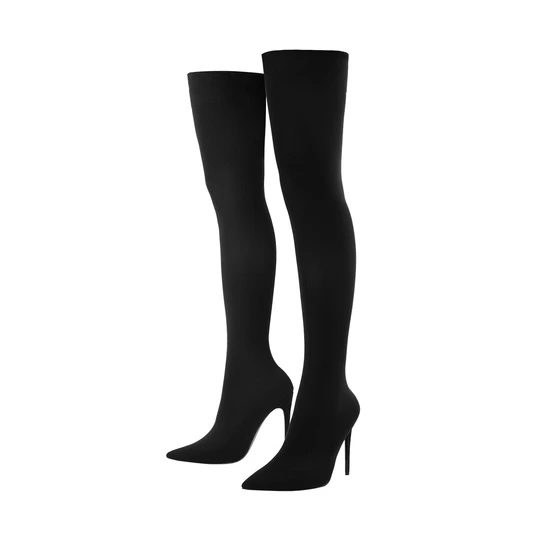


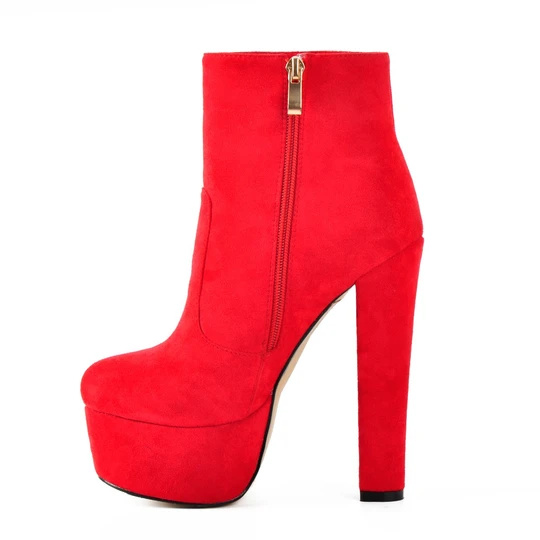
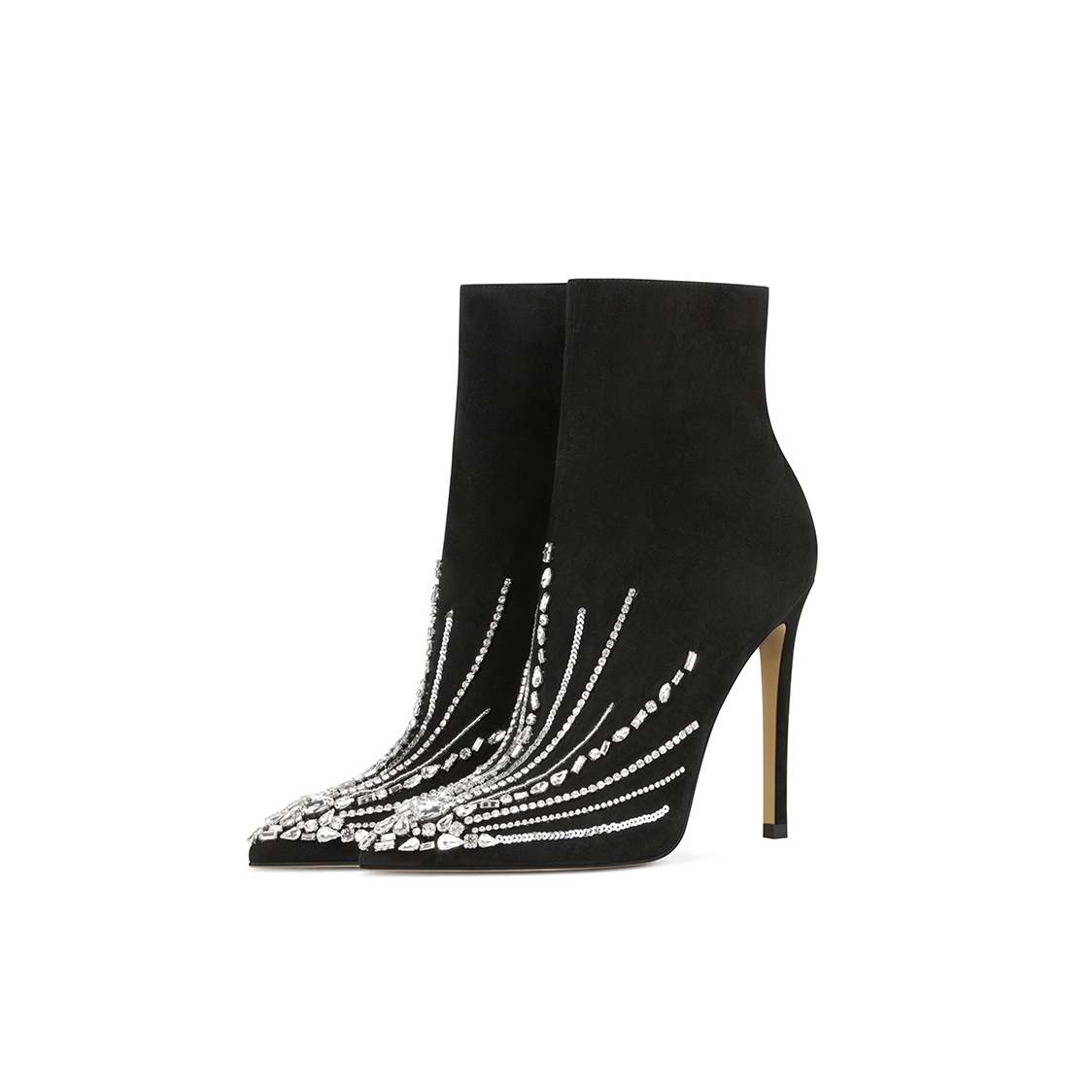
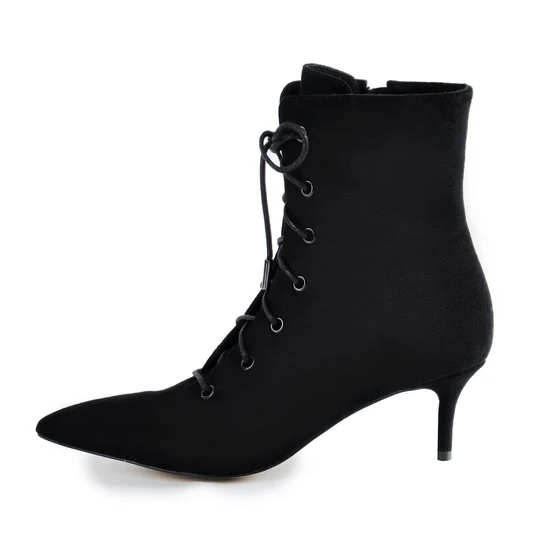
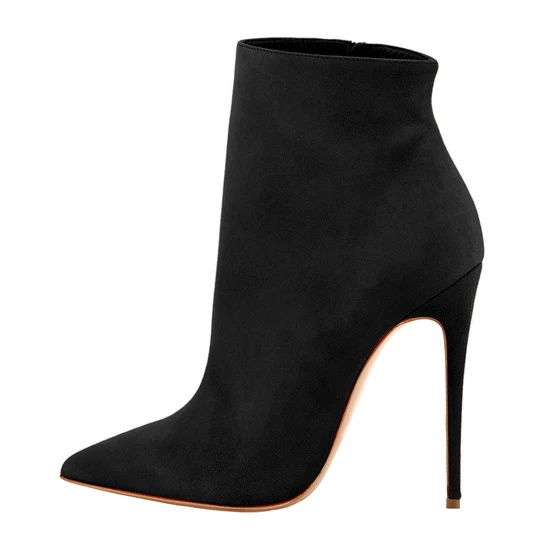
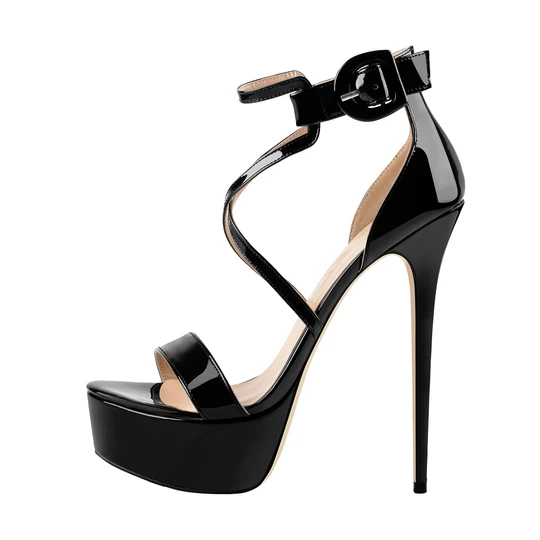

- Related Blog
- Reviews
- Reviews
