
Recycled Shoe Development: Wholesale & Manufacturer Partnerships
I help brands grow with {Recycled Shoe Development}, turning discarded materials into durable footwear that stands up to wear and weather. From our factory to your shelves, I offer Wholesale options and direct access to a trusted Manufacturer, ensuring consistent supply and lower unit costs. Our process starts with material screening, then design, testing, and quick tooling to tailor sizes, soles, and uppers. You’ll get transparent pricing, flexible MOQs, and eco-certifications that shoppers expect, without sacrificing margins. We align with your brand story—showcasing recycled content, traceability, and a commitment to circular economy. If you want reliable cadence and scalable production for bulk orders, I’m here to discuss your needs and offer samples. Lead times are streamlined, with flexible on-time delivery even for private-label lines. If you want case studies or references from major retailers, I can share them. Let’s talk today and map out a plan for your next collection.

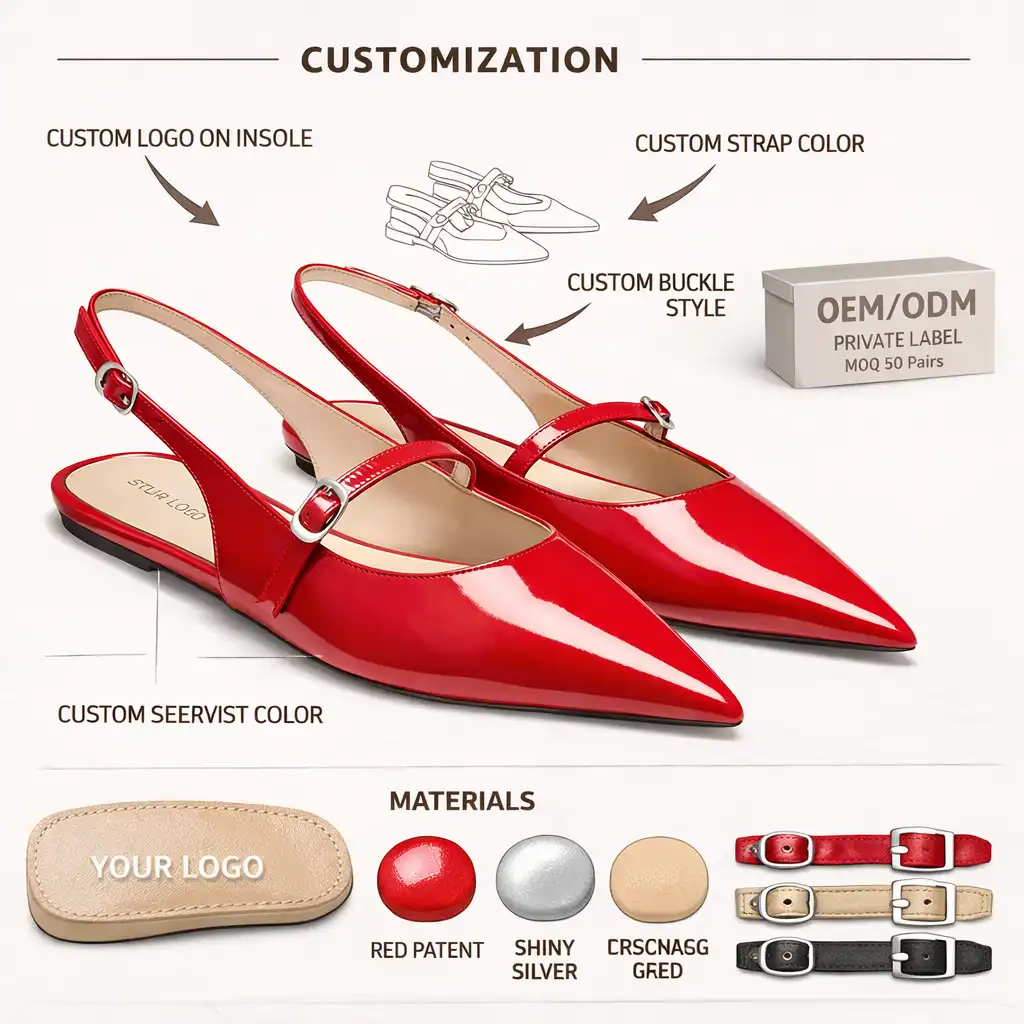
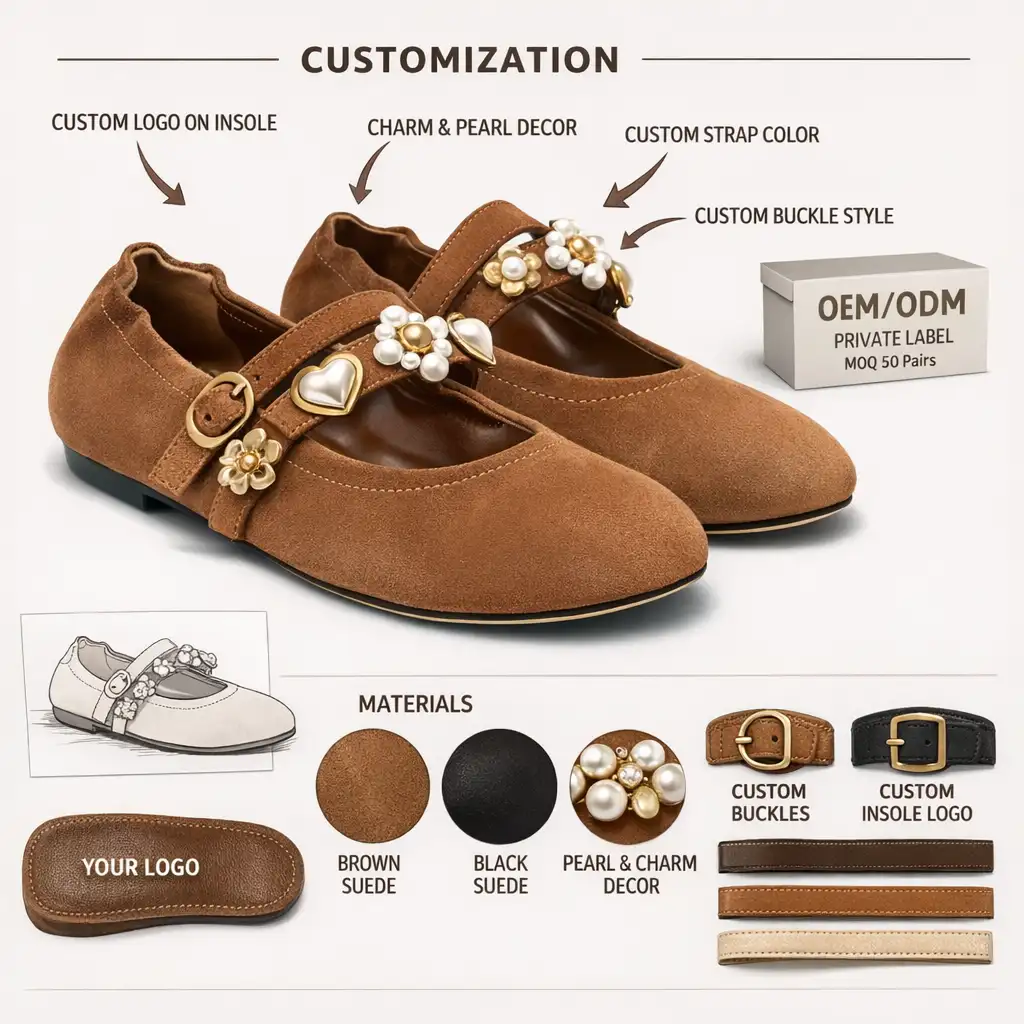
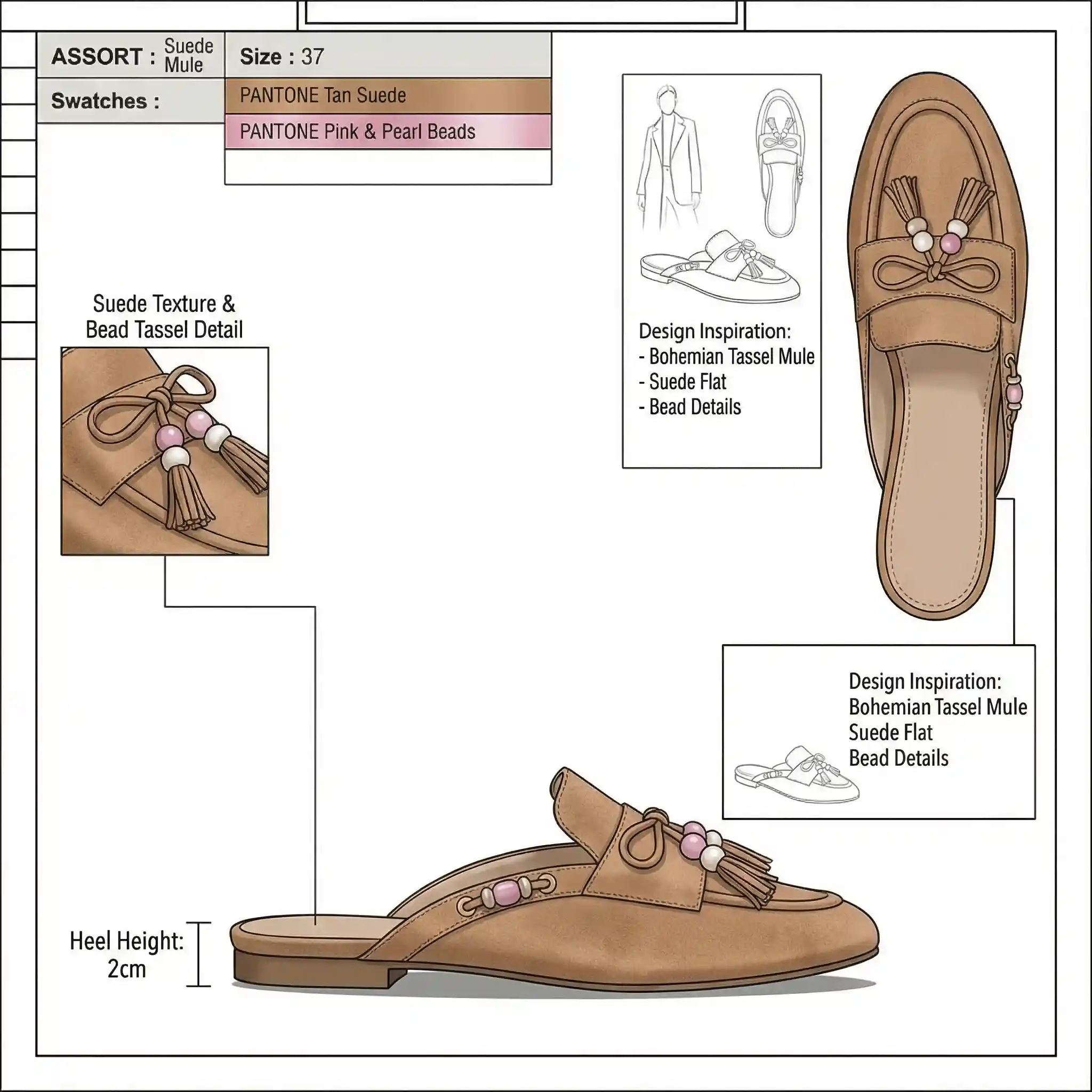
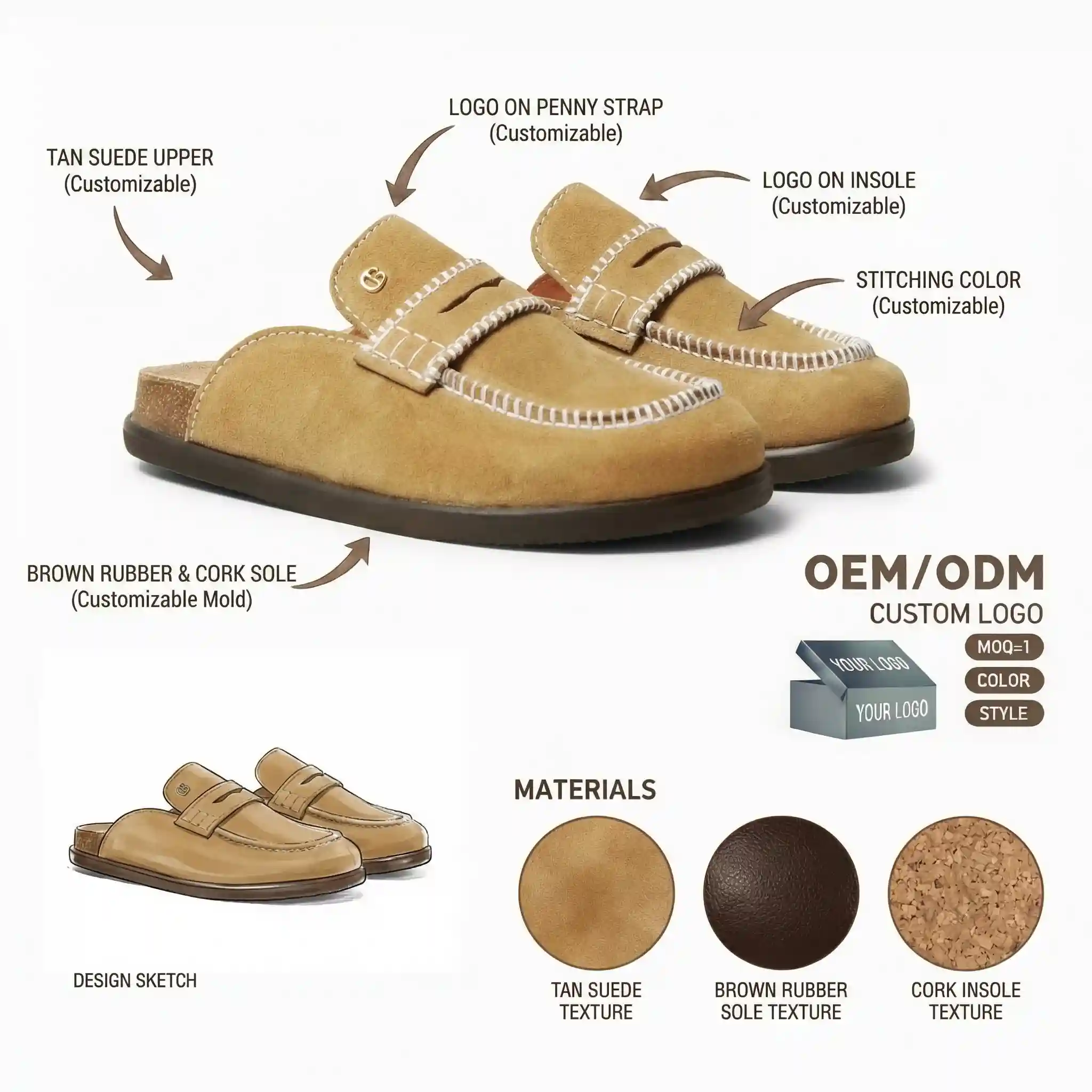

Recycled Shoe Development in 2025 Custom Solutions,
2025 marks a clear shift in recycled shoe development: global buyers seek custom solutions that pair performance with responsible materials. Advances in recycled polymers, regenerated foams, and traced supply chains enable designs that reduce waste from upper to outsole. Designers emphasize disassembly-friendly construction and closed-loop recovery, turning end-of-life products into feedstock for new styles. With rigorous testing, certifications, and transparent impact data, partners can compare footprints across suppliers and scale sustainable programs with confidence. Our customized approaches blend recycled content with the performance you require—weight, durability, traction, and colorways—while we optimize for recyclability and lower production energy. Prototyping cycles, digital collaboration, and in-house testing shorten development times. We offer compliant, traceable supply chains, ethical sourcing, and ESG reporting. Flexible minimums and lead times help integrate sustainability into procurement without sacrificing reliability or cost.
| Solution | Primary Material / Technique | Recycled Content | Est. Carbon Footprint per Pair | Lifespan | Recyclability Rate | Water Use / Pair | Lead Time | Certifications / Notes |
|---|---|---|---|---|---|---|---|---|
| R-PET Upper | Recycled polyethylene terephthalate yarns (post-consumer bottles) | 60% | ~9 kg CO2e | 3–5 years | 70% | 0.5 L | 6–10 wks | Commonly used for breathable uppers; typically GRS-compatible; EPD available |
| Recycled Rubber Outsole | Granulated post-industrial and post-consumer rubber blends | 80% | ~4 kg CO2e | 4–6 years | 85% | 0.2 L | 8–12 wks | High abrasion resistance; often used in heavy-wear soles; good end-of-life reclaimability |
| Biobased Midsole | Partially bio-derived foam (plant oils, algae blends) with recycled fillers | 40% (plus 30% biobased content) | ~6 kg CO2e | 3–4 years | 50% | 1.2 L | 10–14 wks | Lower fossil inputs; certified via bio-based testing (ASTM D6866-style protocols); recycling more complex |
| Closed-loop Modular Components | Interchangeable toe/midsole/outsole modules designed for disassembly | 50% avg across modules | ~7 kg CO2e | 5+ years (replaceable parts) | 95% | 0.6 L | 8–12 wks (modular tooling) | Enables repair-first business models; logistics needed for returns and remanufacture |
| Solvent-free Adhesives | Water-based hotmelt or reactive adhesives eliminating solvent use | N/A | ~1 kg CO2e reduction vs. solvent systems | Same as bonded components | +10–20% recyclability improvement | 0.1 L | 4–8 wks (process integration) | Improves indoor air quality and recycling compatibility; typically ZDHC/Oeko-Tex aligned |
| Waterless / Low-water Dyeing | Supercritical CO2 or pigment dispersion without aqueous dye baths | N/A | ~0.5–1 kg CO2e (process dependent) | Depends on textile durability | Unchanged (material dependent) | ~0.5 L (vs 20 L baseline) | 6–10 wks | Reduces water use dramatically; often requires upstream fiber compatibility; OEKO-TEX/ZDHC practices apply |
| Localized Microfactories | Small-scale regional manufacturing with modular lines & recycled inputs | Varies by locale (30–65%) | –10% to –30% transport CO2e (scope 3) | 3–6 years (same product) | Varies (improves with returns) | Depends on process | 2–6 wks (reduced shipping lead time) | Enables rapid customization and reduced logistics emissions; higher capex per site |
| End-of-Life Takeback & Mechanical Recycling | Separate collection, grinding, and re-granulation into toe/midsole/outsole feedstocks | Recovered material yields 35–70% | Process adds ~1–3 kg CO2e but displaces virgin material | N/A (supports new cycles) | 85–95% effective recovery rate (program dependent) | N/A | Program setup 12–20 wks | Effectiveness depends on collection logistics and sorting; can lower lifecycle footprint when scaled |
Related Products


Recycled Shoe Development Is The Best More Than a Supplier - A Partner
Top Selling Products




- Related Blog
- Reviews
- Reviews
