
OEM Footwear Manufacturer - Wholesale Solutions for Manufacturer Needs
I’m an Oem Footwear Manufacturer, and I work closely with Wholesale buyers and other Manufacturers who wants dependable, scalable footwear solutions. From concept to shipment, I handle design, prototyping, tooling, and full production so you can focus on selling. We offer fast quotes, flexible MOQs, and transparent pricing. Our team uses strict QC at every stage and can adapt styles, materials, and sizes to fit your brand. Whether you want private label, co-branded lines, or your own model, I can deliver reliable supply for Wholesale channels. As a Manufacturer, I know timing is everything; I ship on schedule and I stand behind our products with warranty. Let's build a long-term partnership—your market needs, my workflow, and mutual growth.


Oem Footwear Manufacturer Stands Out Now Trending
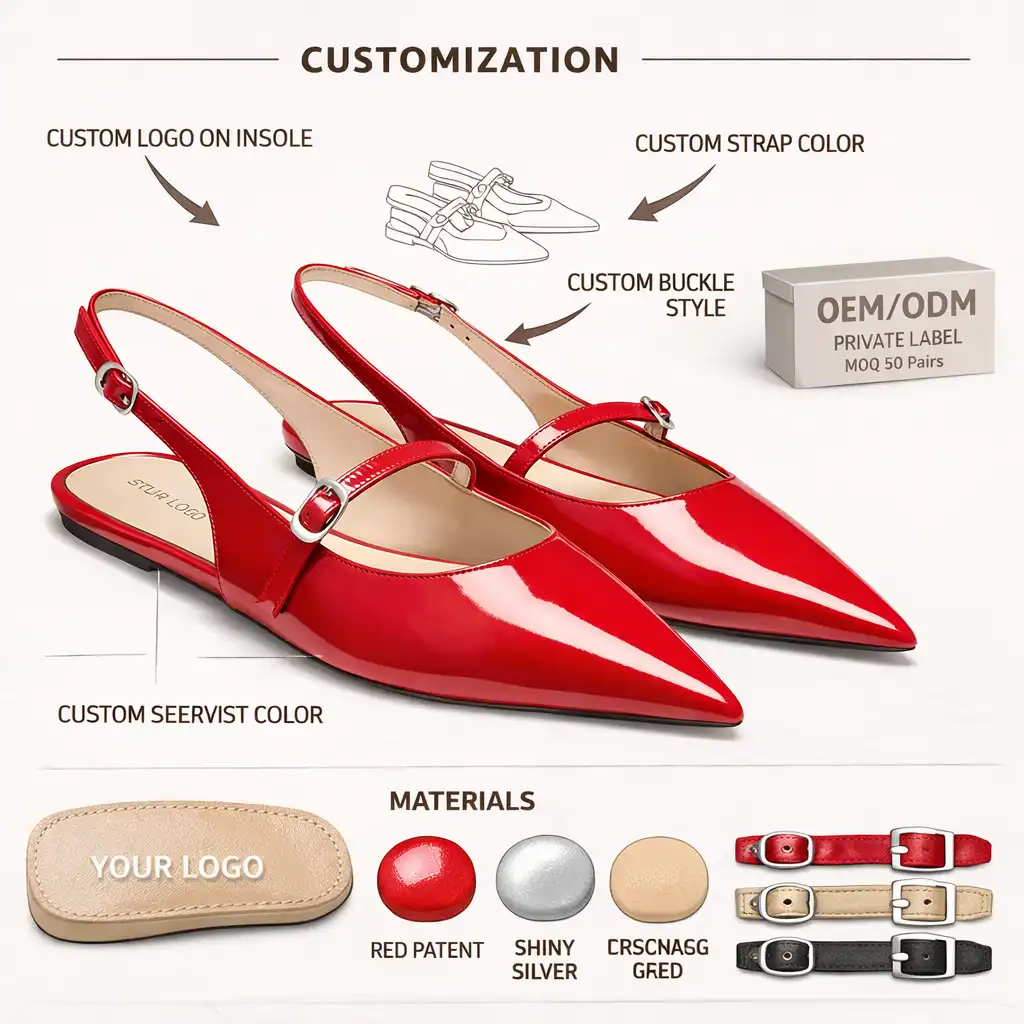
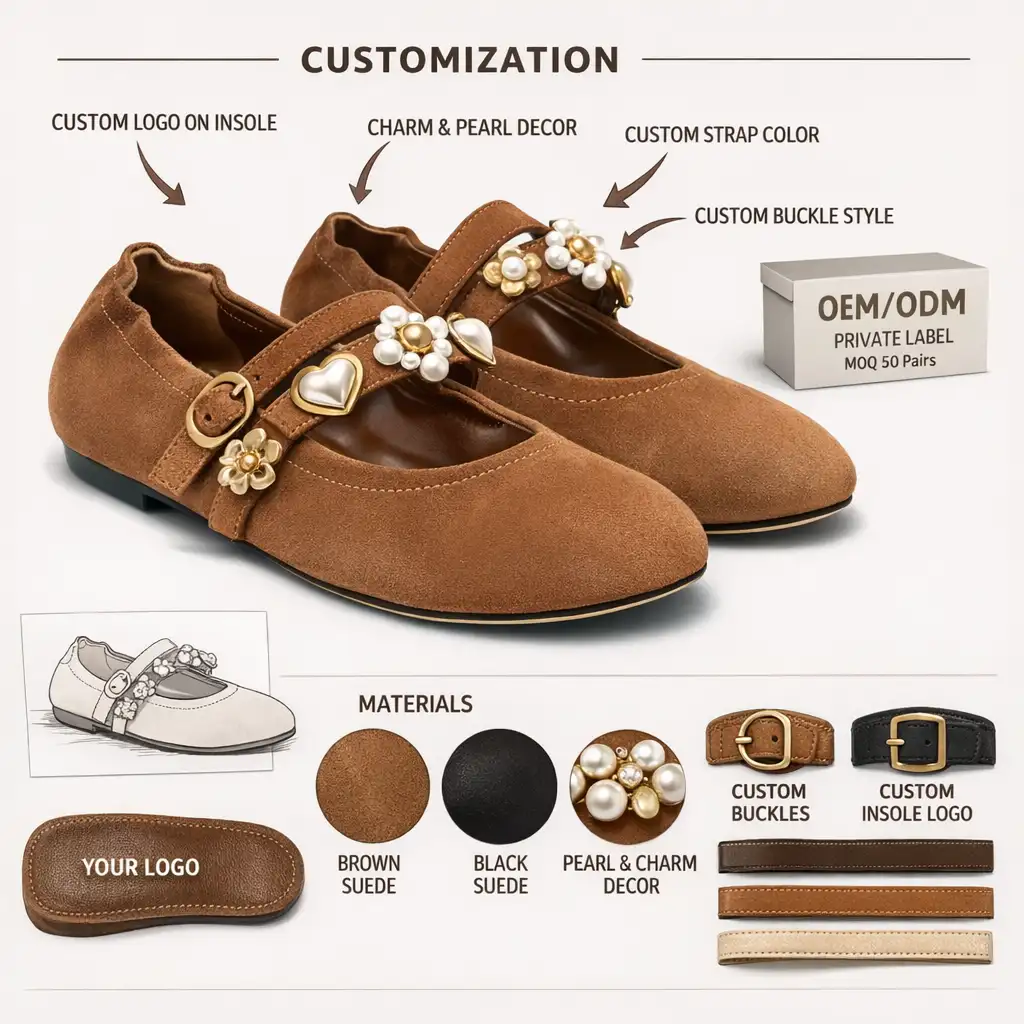
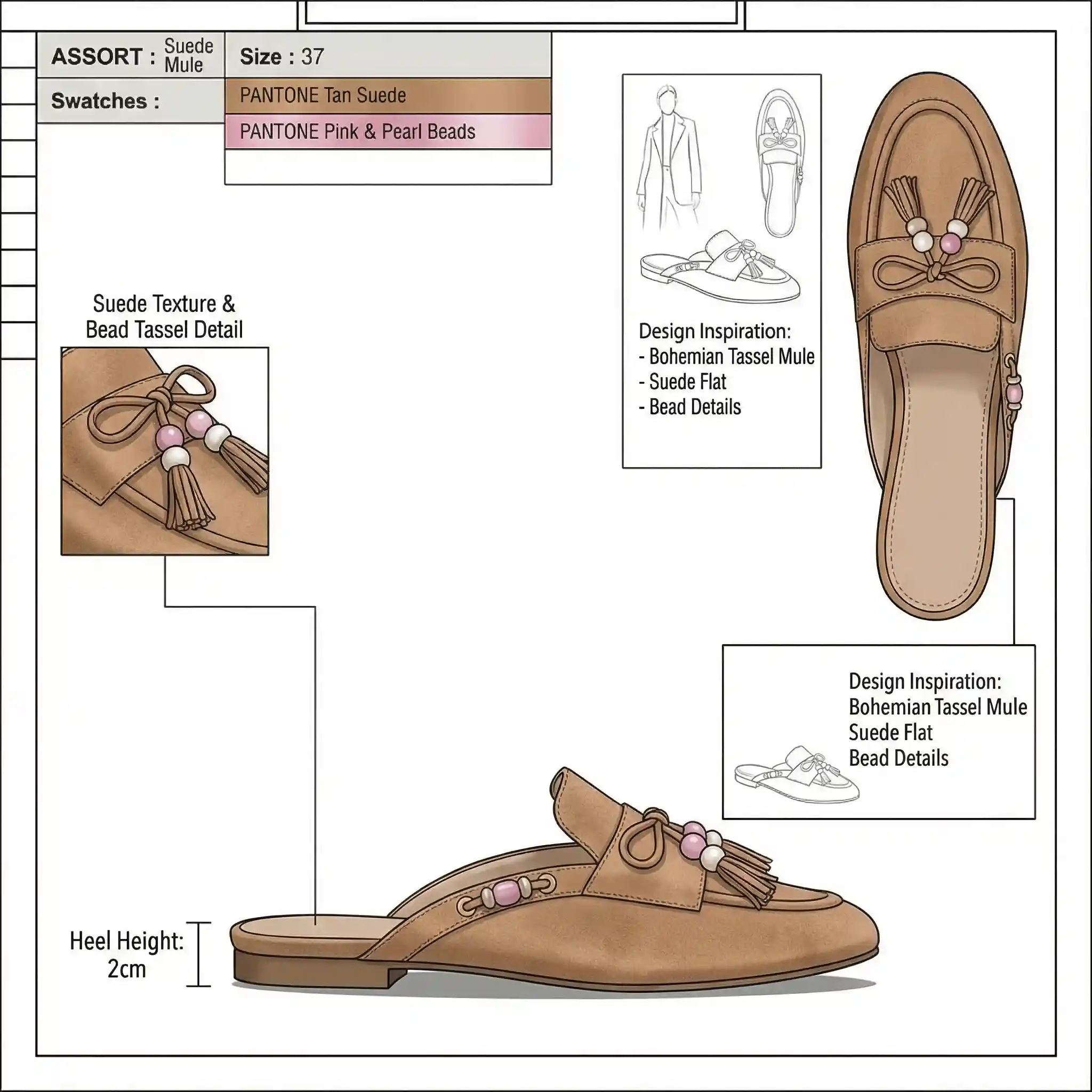
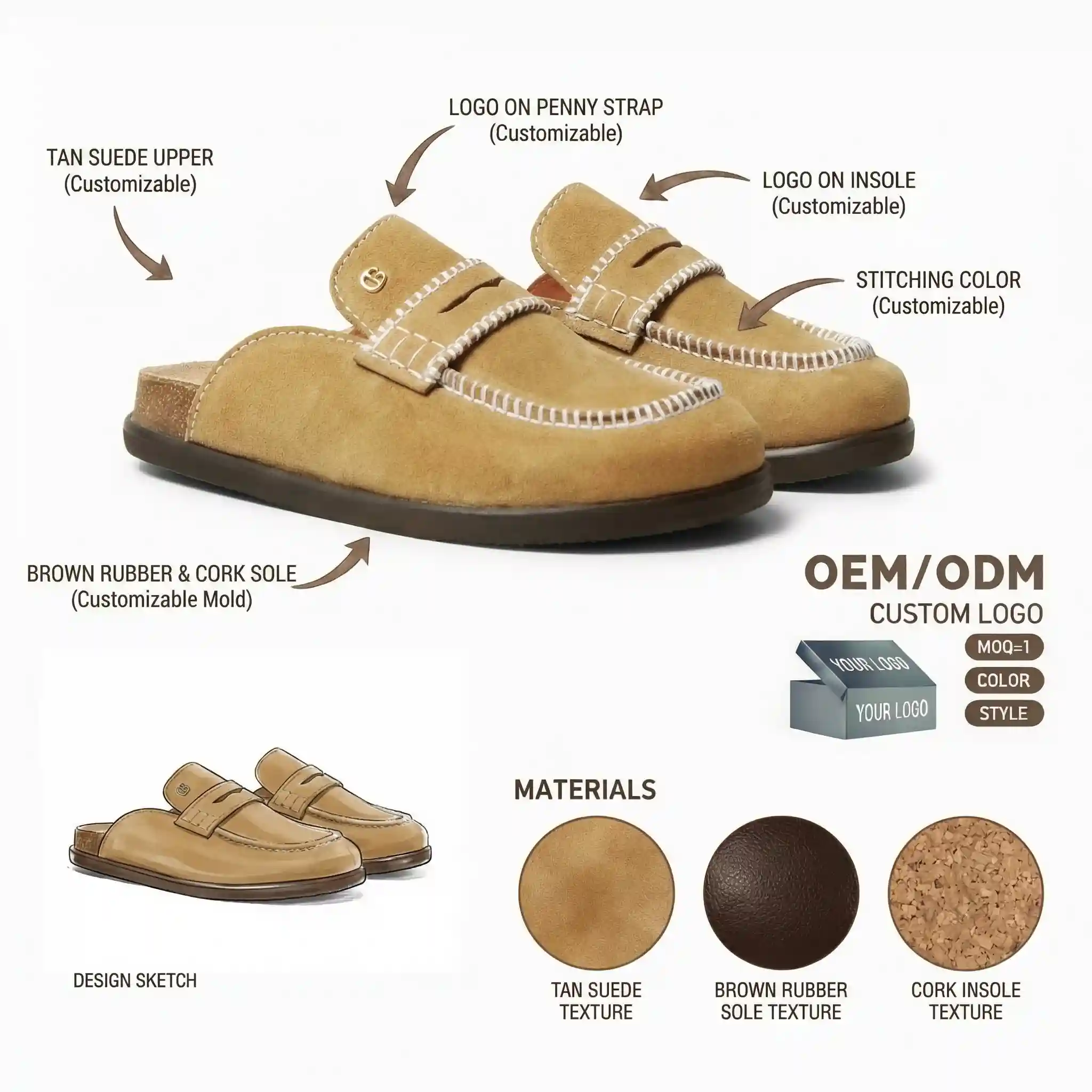
An OEM footwear manufacturer is trending now because it combines rapid trend response with reliable production capacity—delivering everything from prototype to bulk with flexible MOQs, fast sampling and competitive pricing. Advanced materials (EVA, rubber, PU, recycled options), experienced R&D and pattern teams, strict QC and compliance to international standards ensure consistent fit, durability and sustainable choices that global buyers demand. For procurement managers and retailers seeking private-label or co-branded collections, this partner offers turnkey OEM/ODM solutions: design collaboration, custom packaging, scalable seasonal capacity and coordinated global logistics to meet tight lead times. The focus on transparency, on-time delivery and long-term collaboration makes sourcing smarter and less risky for importers worldwide.
| Style / Model | Category | Upper Material | Lining | Outsole Material | Production Capacity (pairs/month) | Average Lead Time (weeks) | Certifications & Compliance | Sustainability Score (0-100) | Export Regions | Customization Options | Typical MOQ (pairs) | Sample Lead Time (days) | Quality Control Methods |
|---|---|---|---|---|---|---|---|---|---|---|---|---|---|
| RS-01 | Performance Running | Engineered knit (polyester/nylon blend) | Breathable textile with moisture-wicking finish | Blown EVA with rubber zones | 120,000 | 6–8 | ISO 9001 REACH | 82 | North America, EU, APAC | Colorways, sole density, size grading, label options | 500 | 10–14 | Inline inspection, flex testing, AQL 2.5 final |
| CS-Classic | Casual Sneaker | Microfiber leather alternative | Soft textile lining (OEKO‑TEX certified) | Rubber cupsole | 95,000 | 5–7 | OEKO‑TEX ISO 14001 | 76 | EU, Latin America, APAC | Material swap, stitching color, tag/label options | 400 | 7–10 | Material incoming checks, stitch audit, outsole adhesion test |
| LD-Formal | Leather Dress | Full-grain cow leather (chrome-free tanning available) | Leather or premium textile | Leather or PU sole options | 28,000 | 8–10 | ISO 9001 SGS Test Reports | 68 | EU, Middle East, North America | Size range, last modification, sole finish | 300 | 12–18 | Leather tensile & abrasion tests, heel pull test, visual QC |
| SD-EZ | Casual Sandal | Recycled TPU straps / microfiber | Soft footbed lining (antimicrobial) | Lightweight EVA with textured grip | 40,000 | 4–6 | REACH BSCI | 85 | APAC, EU, Latin America | Footbed contour, strap width, packaging options | 600 | 5–9 | Slip resistance, strap tensile, visual & functional checks |
| WT-Guard | Work / Safety Shoe | Split leather with protective coatings | Fire-retardant textile lining | PU/rubber hybrid outsole with steel toe compatibility | 22,000 | 10–12 | ISO 9001 EN safety standards (tested) | 71 | North America, EU, Middle East | Protective insert options, sole tread pattern, labeling | 350 | 15–21 | Impact & compression tests, slip resistance, material traceability |
| BT-Trek | Outdoor/Hiking Boot | Waterproof nubuck / PU-treated leather | Breathable waterproof membrane | Vibram-style rubber compound (heavy duty) | 33,000 | 7–9 | ISO 14001 SGS | 79 | EU, North America, APAC | Waterproofing level, sole lug depth, colorways | 450 | 12–16 | Waterproof testing, sole abrasion, stitch integrity checks |
| KS-Fun | Kids Sneaker | PU-coated textile / breathable mesh | Soft padded textile | Non-marking rubber outsole | 85,000 | 5–6 | OEKO‑TEX REACH | 88 | Latin America, APAC, EU | Size grading, reflective trims, label and packaging options | 800 | 7–10 | Chemical residue checks, seam strength, wear simulation |
| SP-Soccer | Performance Soccer Cleat | Thermoformed TPU upper / microfibre | Low-profile textile lining | TPU outsole with conical/blade studs | 18,000 | 9–11 | ISO 9001 Independent lab ballistics/test reports | 73 | EU, South America, APAC | Stud configuration, last shaping, color/print options | 300 | 14–21 | Stud pull testing, traction lab tests, durability runs |
Related Products


Oem Footwear Manufacturer Pioneers in the Field Your Trusted OEM Partner
Top Selling Products



- Related Blog
- Reviews
- Reviews
