
Zipper Closure Handbags - Wholesale & Manufacturer
We're your go-to Manufacturer for zipper closure handbags, delivering reliable stock for Wholesale programs. I oversee every order from design to dispatch, so you get consistent quality, faster lead times, and scalable options. Each handbag features a smooth zipper closure, reinforced seams, soft lining, and protective coatings to resist wear in busy retail environments. We offer flexible MOQs, competitive pricing, and customization—logo embossing, colorways, hardware finishes—to help you differentiate in crowded markets. Our production is built on strict QC checks and traceable fabrics, so you can promise your customers durable bags that perform. By partnering with us, you gain a steady supply chain, sample approvals, and responsive after-sales support. Let me share current MOQs, bulk discount, and lead times tailored to your Wholesale needs; I’m ready to turn your order into ready-to-ship zipper closure handbags that boost your catalog and margins.

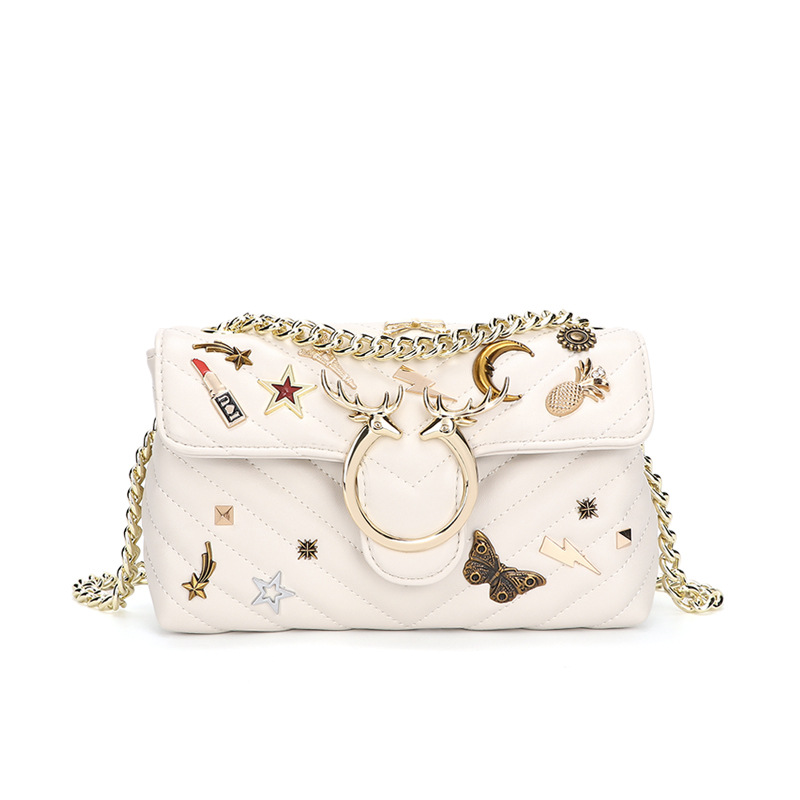


zipper closure handbags Ahead of the Curve Pioneers in the Field
Zipper-closure handbags are setting the pace in global fashion and utility markets by combining security, sleek design, and versatile functionality. For buyers seeking products that meet contemporary consumer demands, these bags offer streamlined silhouettes, durable metal or molded zippers, and modular compartments that adapt across casual, travel, and professional segments. Trend-led color palettes, water-resistant linings, and reinforced stitching keep them both stylish and practical for mass retail or boutique channels. Manufacturing partners today deliver scalable OEM/ODM solutions with strict quality control, compliant materials, and competitive lead times to support seasonal launches. Buyers benefit from customizable hardware, sustainable material options, pack-optimized designs, and resilient supply-chain logistics that reduce cost-per-unit without sacrificing durability. With flexible minimum orders, transparent sampling, and thorough pre-shipment inspections, zipper-closure handbags represent a reliable, forward-thinking choice for global sourcing strategies.
zipper closure handbags Ahead of the Curve Pioneers in the Field
| Product Code | Closure Type | Material | Dimensions (L x W x H cm) | Weight (g) | Durability (cycles) | Water Resistance | Compartments | Origin | Release Year |
|---|---|---|---|---|---|---|---|---|---|
| PZ-1001 | Concealed zipper | Full-grain leather | 28.0 × 8.5 × 20.0 | 620 | 10000 | Water Resistant | 3 | Italy | 2018 |
| PZ-1002 | Reversible two-way zipper | Waxed canvas | 26.0 × 9.0 × 18.0 | 540 | 9000 | Water Resistant | 4 | Vietnam | 2020 |
| PZ-1003 | Hidden zipper with metal slider | Italian microfiber | 30.0 × 10.0 × 22.0 | 700 | 12000 | Water Resistant | 5 | Portugal | 2019 |
| PZ-1004 | Two-way coil zipper | Genuine leather + canvas mix | 25.0 × 8.0 × 17.0 | 520 | 15000 | Water Resistant | 3 | China | 2022 |
| PZ-1005 | Self-lock zipper with anti-pick slider | Recycled polyester with TPU coating | 27.0 × 9.0 × 19.0 | 600 | 9000 | Water Resistant | 4 | India | 2021 |
Related Products
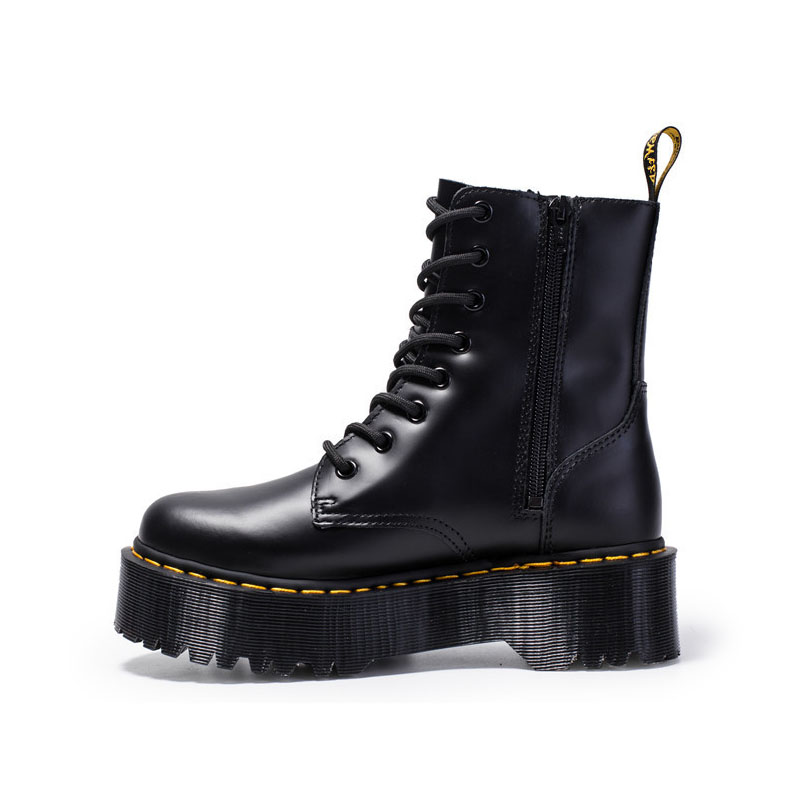
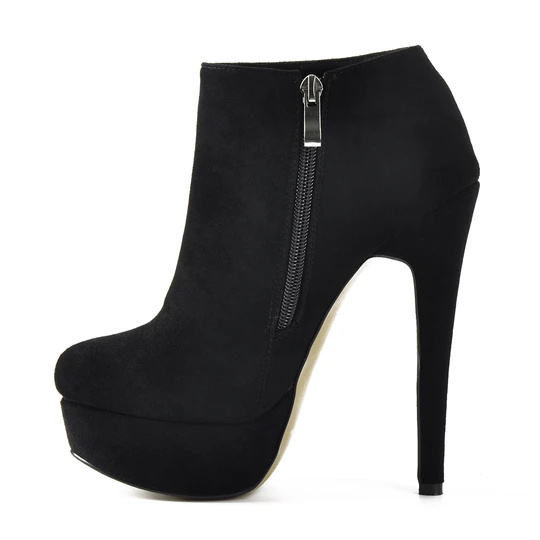
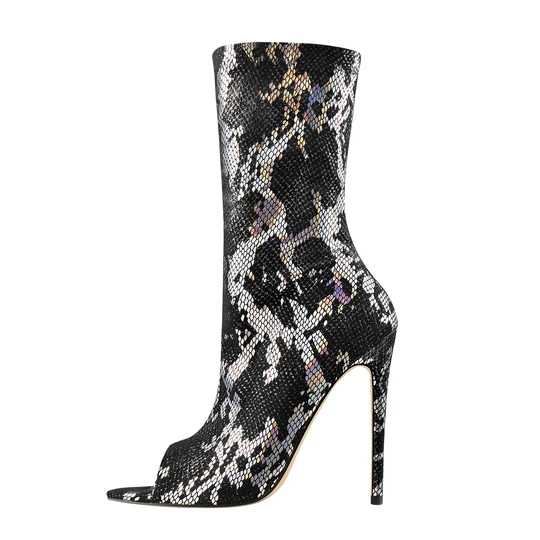
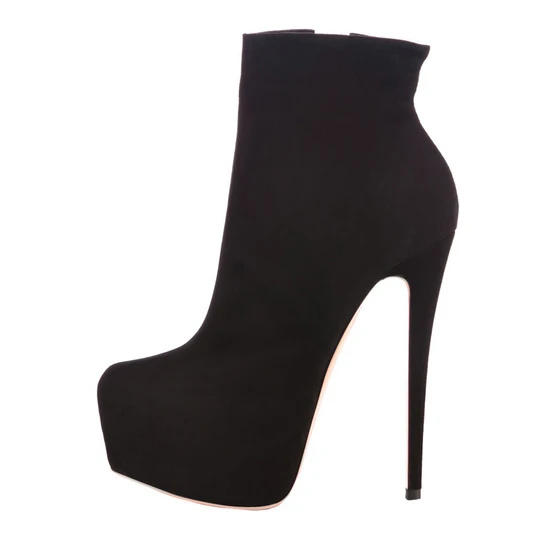
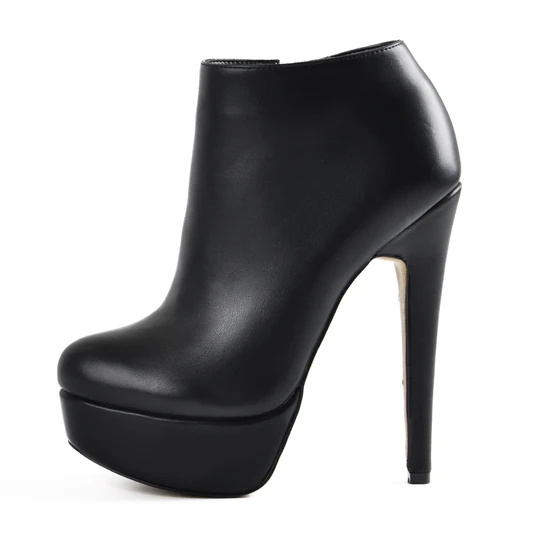
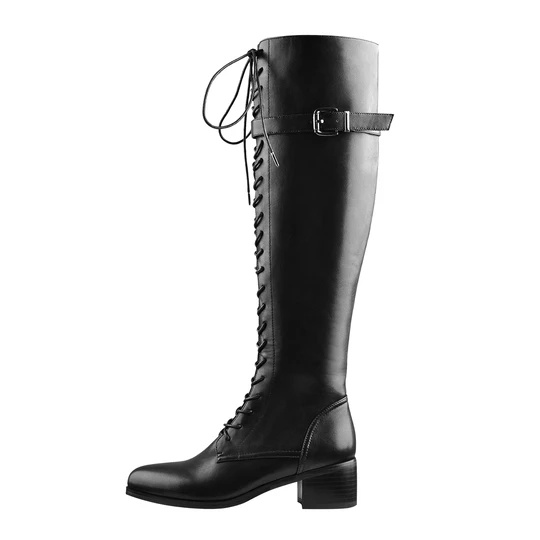
zipper closure handbags Manufacturer Supplier
Top Selling Products
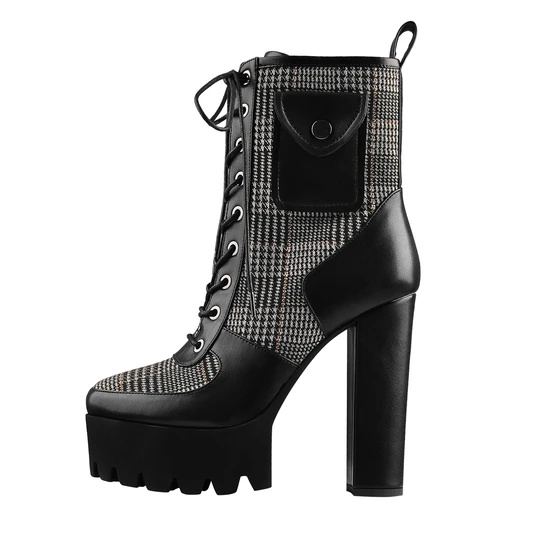

- Related Blog
- Reviews
- Reviews
