
Eco-Friendly Shoe Factories: Wholesale Manufacturer Solutions
From day one, I collaborate with Eco-Friendly Shoe Factories to deliver sustainable footwear at scale. If you’re a Wholesale buyer or Manufacturer, you’ll find our process reliable and transparent. I oversee advanced materials like recycled uppers, plant-based insoles, and water-saving dyeing that cut emissions while maintaining durability. Our capabilities include flexible MOQs, scalable lead times, and certified supply chains that meet ISO, BSCI, or similar standards. We offer a turnkey package: design support, material sourcing, in-house stitching, and packaging optimization. With strict QA at every stage, defect rates stay ultra-low, ensuring your orders ship on time. I communicate in real time, providing batch traceability and eco-impact reports so you can market with confidence. Partnering with us means you can expand your product line responsibly while protecting margins and timelines. Let’s talk about your next eco-friendly line, and how we can make it a wholesale success.
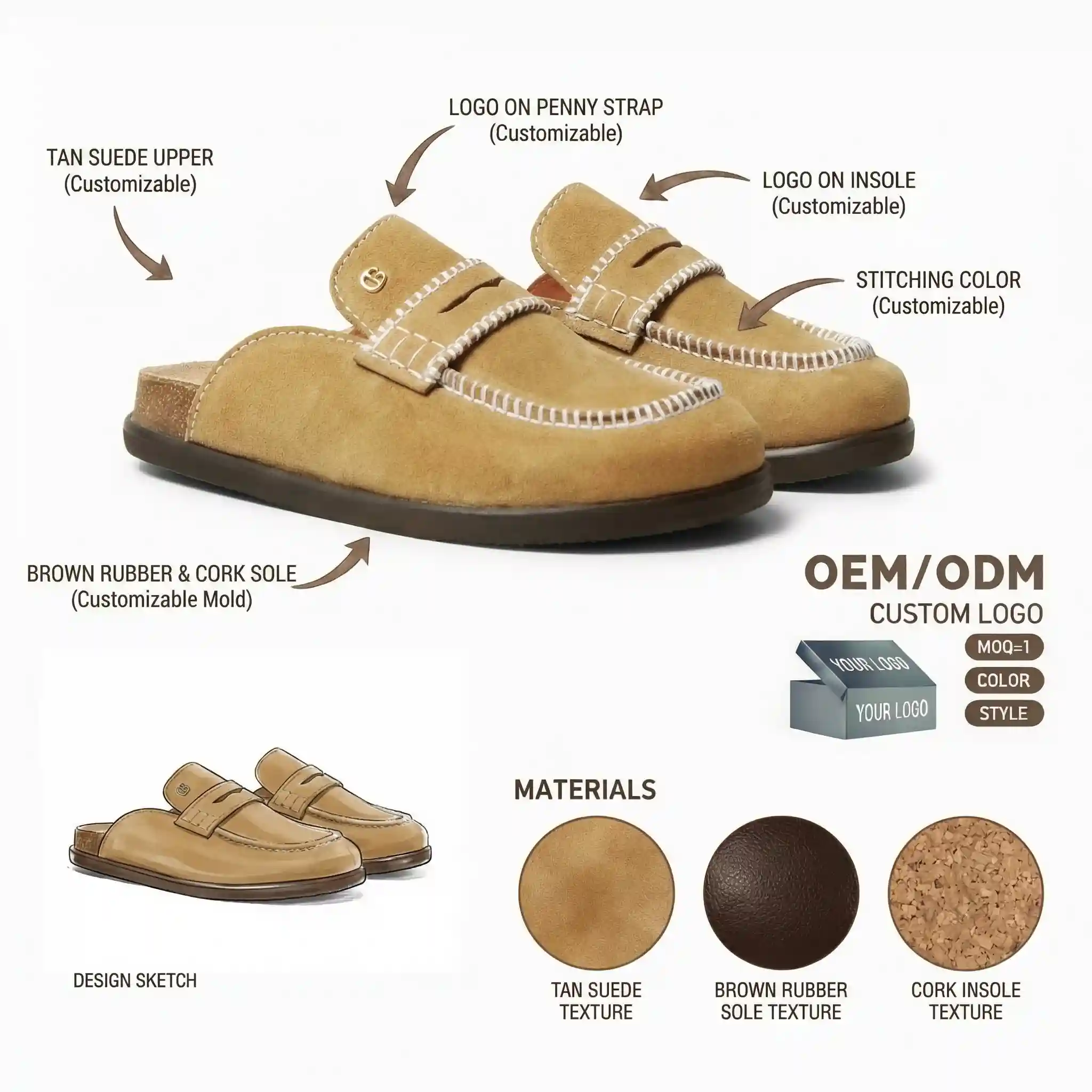

Eco-Friendly Shoe Factories Dominates Leads the Global Market
Eco-friendly shoe factories are increasingly dominating the global market as brands seek lower environmental footprints across the supply chain. Modern facilities combine water-saving dyeing, energy-efficient curing, and closed-loop waste management with recycled and bio-based materials to deliver high-quality footwear with a smaller carbon footprint. International buyers now demand robust sustainability credentials, social responsibility, and transparent sourcing, enabling smoother product approvals and safer procurement. A Chengdu-based producer demonstrates how advanced automation, skilled workmanship, and lean processes can deliver premium quality with responsible manufacturing. To secure reliable global supply, buyers should prioritize verifiable certifications, material traceability, and quantified environmental metrics; scalable capacity with flexible minimums; strict in-process testing and third-party audits; and dependable lead times with resilient logistics. Seek partners who offer design optimization to reduce material use, sustainable packaging, and end-of-life programs. With the right partner, eco-friendly factories can provide consistent quality, competitive pricing, and a steady cadence for seasonal launches.
| Region | Annual Production (Millions of Pairs) | Recycled Material Share (%) | Water Usage per Pair (Liters) | CO2 Emissions per Pair (kg CO2e) | Renewable Energy Usage (%) | ISO 14001 Certification Coverage (%) | Average Labor Cost (USD/hour) | Defect Rate (%) |
|---|---|---|---|---|---|---|---|---|
| Asia-Pacific | 1,400 | 35 | 20 | 2.5 | 60 | 70 | 1.80 | 1.2 |
| Europe | 350 | 60 | 25 | 1.8 | 85 | 82 | 3.00 | 0.9 |
| North America | 190 | 50 | 22 | 2.1 | 75 | 76 | 2.50 | 1.0 |
| Latin America | 120 | 40 | 18 | 2.0 | 55 | 68 | 2.20 | 1.4 |
| Africa | 60 | 32 | 16 | 2.3 | 45 | 50 | 1.60 | 1.7 |
| Middle East | 50 | 38 | 14 | 2.4 | 40 | 52 | 2.00 | 1.9 |
| Oceania | 22 | 45 | 12 | 1.9 | 70 | 60 | 2.80 | 1.1 |
Related Products


Eco-Friendly Shoe Factories Sets the Industry Standard Custom Solutions,
Top Selling Products
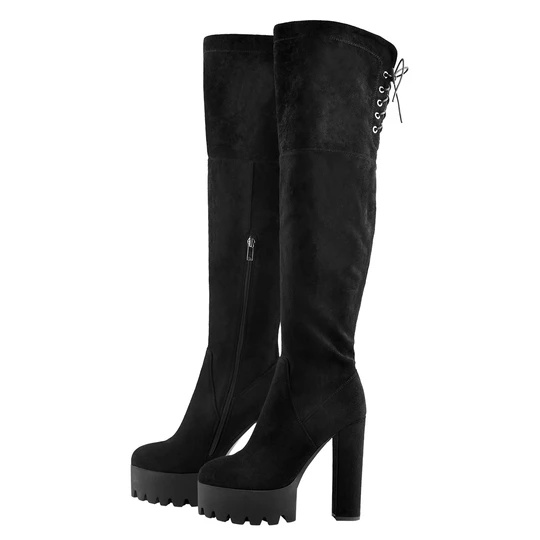
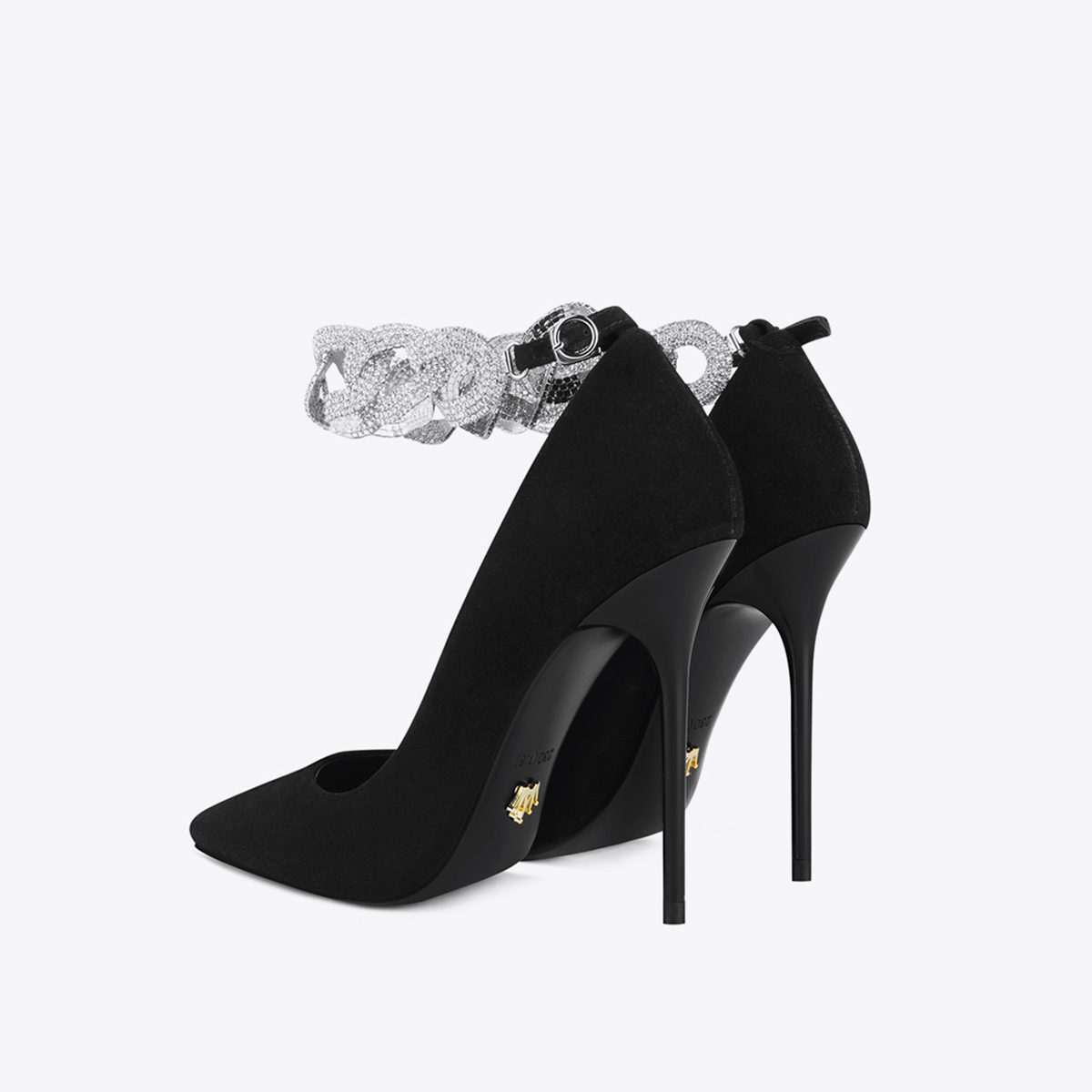
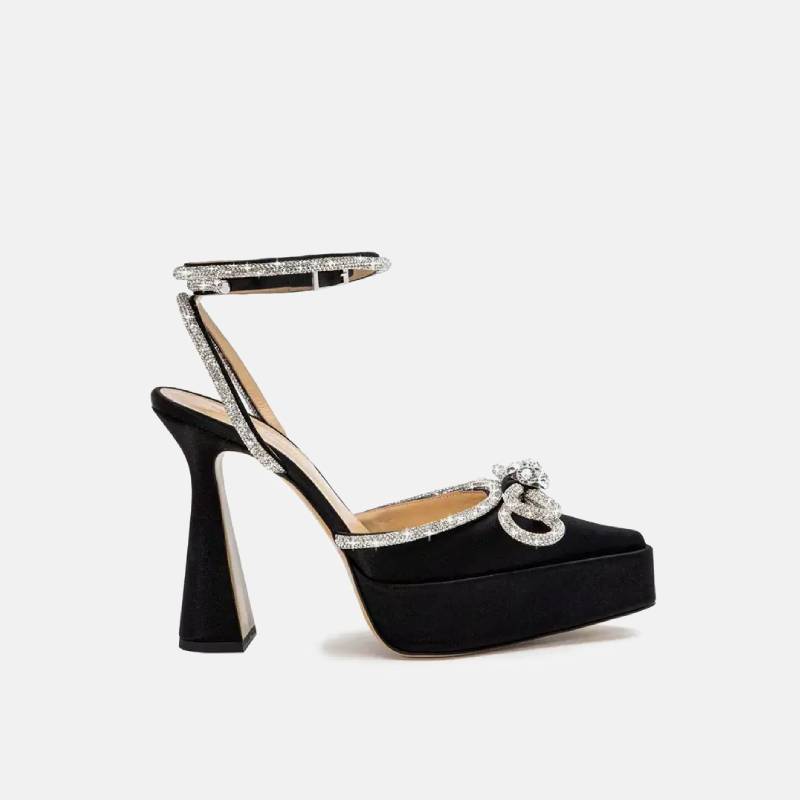





- Related Blog
- Reviews
- Reviews
