Manufacturing process advisory · Before sampling · Free
Most first-time shoe brands lose their first serious budget to design rework, not to sampling. Between a rendering and a shoe you can put on a foot at volume sits a whole set of engineering calls: how the upper behaves on a curved last, how a heel column carries load, how hardware marries into leather, how lining sits against skin. Get these wrong at the drawing stage and you lose a sampling fee and two or three weeks. Get them wrong at the production stage and you lose a container.
This article describes a service and a process; it is not a commitment on any specific project. Conclusions are confirmed per project in the agreed sample and technical package. All photos are our own.

1 · Why before sampling
A sampling fee does not buy answers — it buys a physical object
Three things a rendering will not tell you
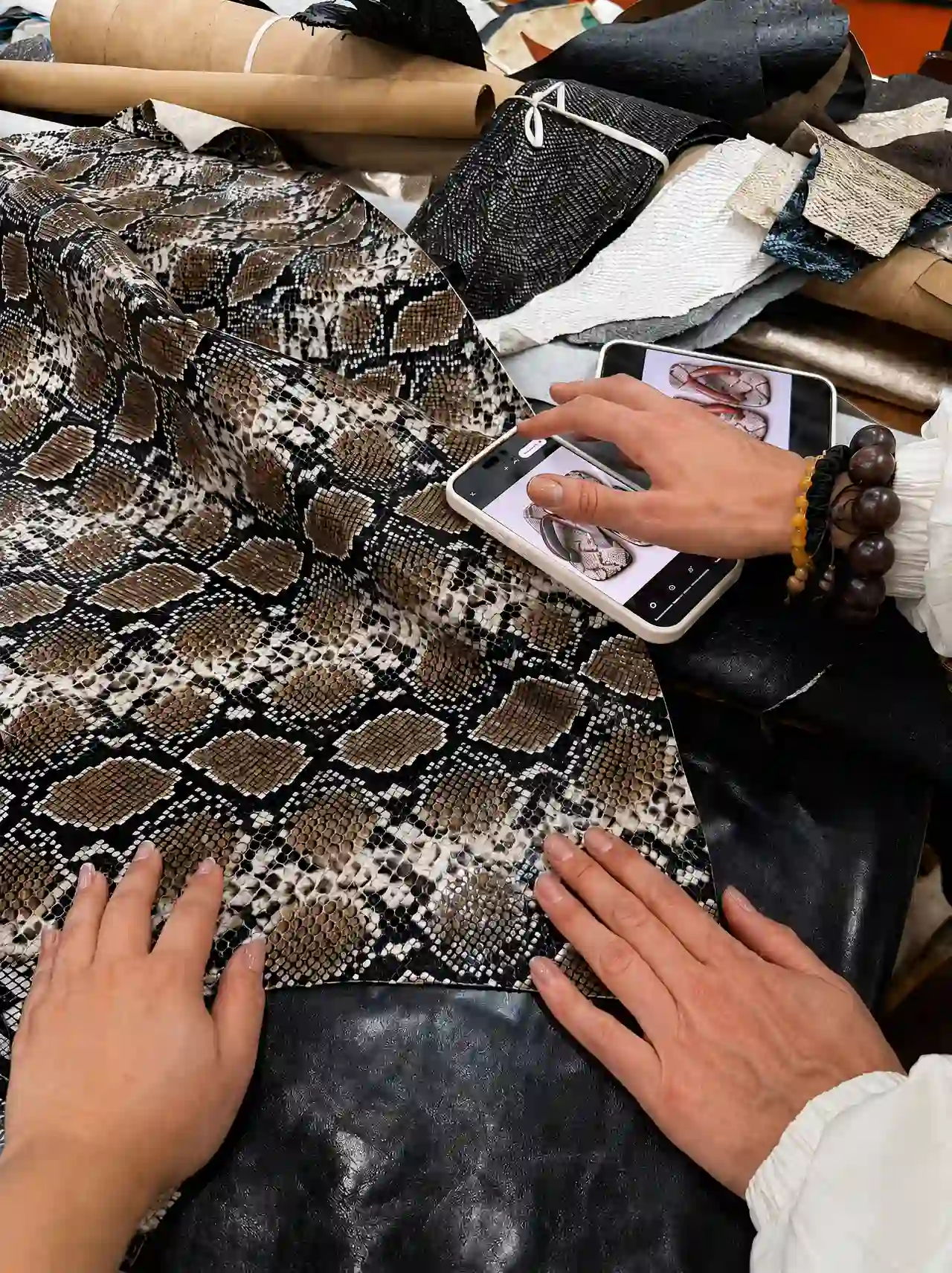
A leather that looks beautiful flat can stretch, pucker or double its consumption once wrapped over a curved upper. Whether a slim heel column can carry a heavy material depends on the column diameter and the heel seat, not on how good the drawing looks. Where a buckle is anchored, and how much tolerance it has against the leather, decides whether the shoe moves when someone walks.
Miss it at the drawing stage and sampling just makes it real
A sampling fee never buys answers; it buys something you can hold. If the direction was never settled, sampling turns the problem into a physical object and then you pay again to fix it — the same money spent twice, and an extra round of time.
A diagnosis moves the decisions ahead of the spending
It does not produce drawings. It decides which way the drawings should go. That is why we made it free: direction should be settled before anything is charged.
2 · The checklist
What the free diagnosis actually covers (7 items)
All seven sit inside "can this be built, and what is the steadiest way to build it". None of them is drawing development.
01
Last and heel type
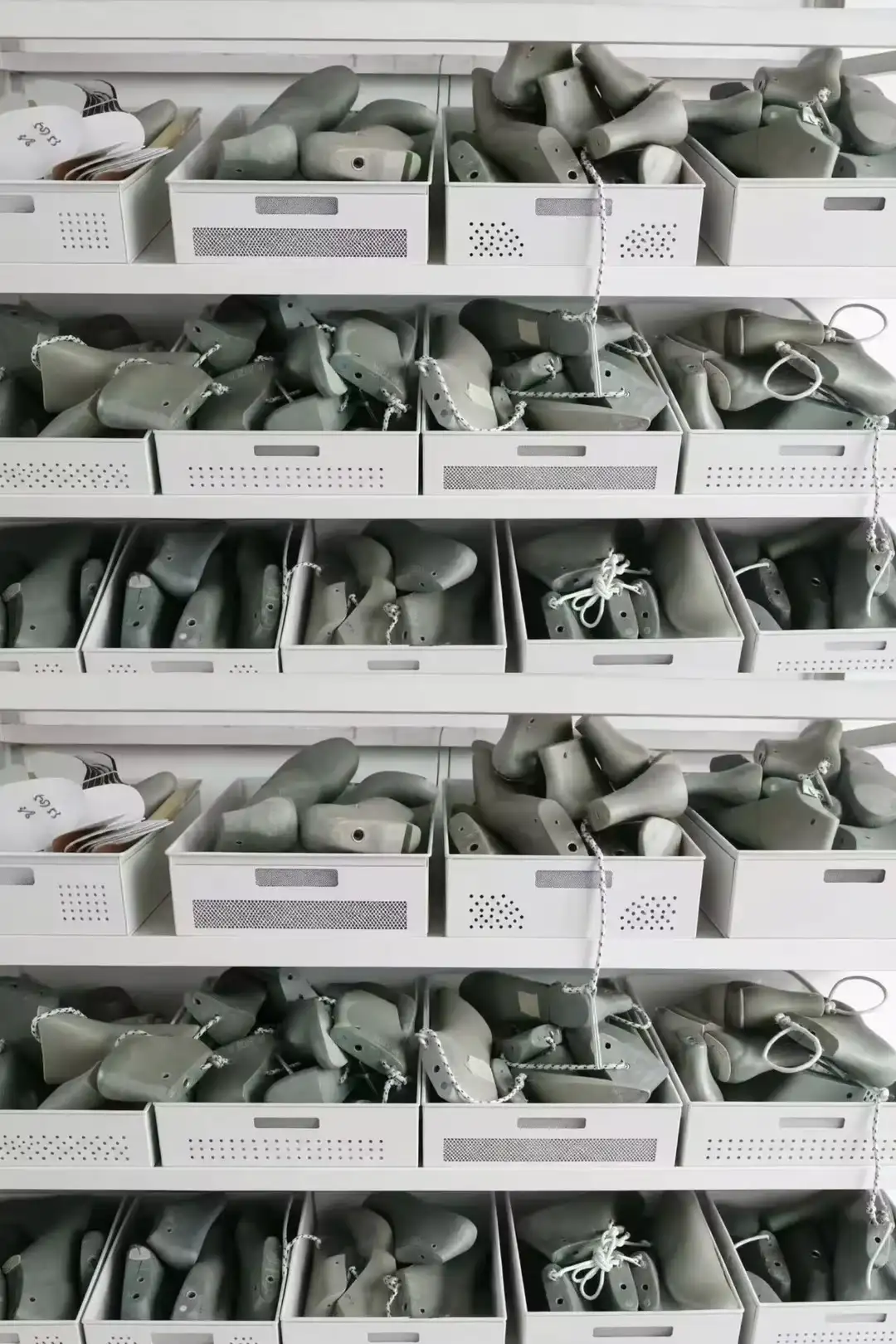
Heel height, column diameter and the curvature of the last; a slim column cannot carry heavy materials, and shaped heels need the tooling path checked early.
02
Upper material
Stretch, recovery and consumption. The same material behaves differently flat and wrapped.
03
Lining and structure
Softness, fit and the risk of rubbing. This is the layer where "looks good" and "wears well" often part company.
04
Heel surface finishing
Leather wrap, metallic spray, plating, gloss. Finishing has to be decided with the column and the seat, not picked at the end.
05
Hardware and fitting
Anchor points and fitting tolerance for buckles and trims. One millimetre out and the shoe moves when you walk.
06
Construction route
What stitching, lasting and sole attaching can each achieve; some designs only hold up if the method changes.
07
Cost structure and minimums
Which line item is eating the budget: material, tooling or labour, and what the first order minimum looks like.
3 · Inside a session
A diagnosis session is four things spread across one table
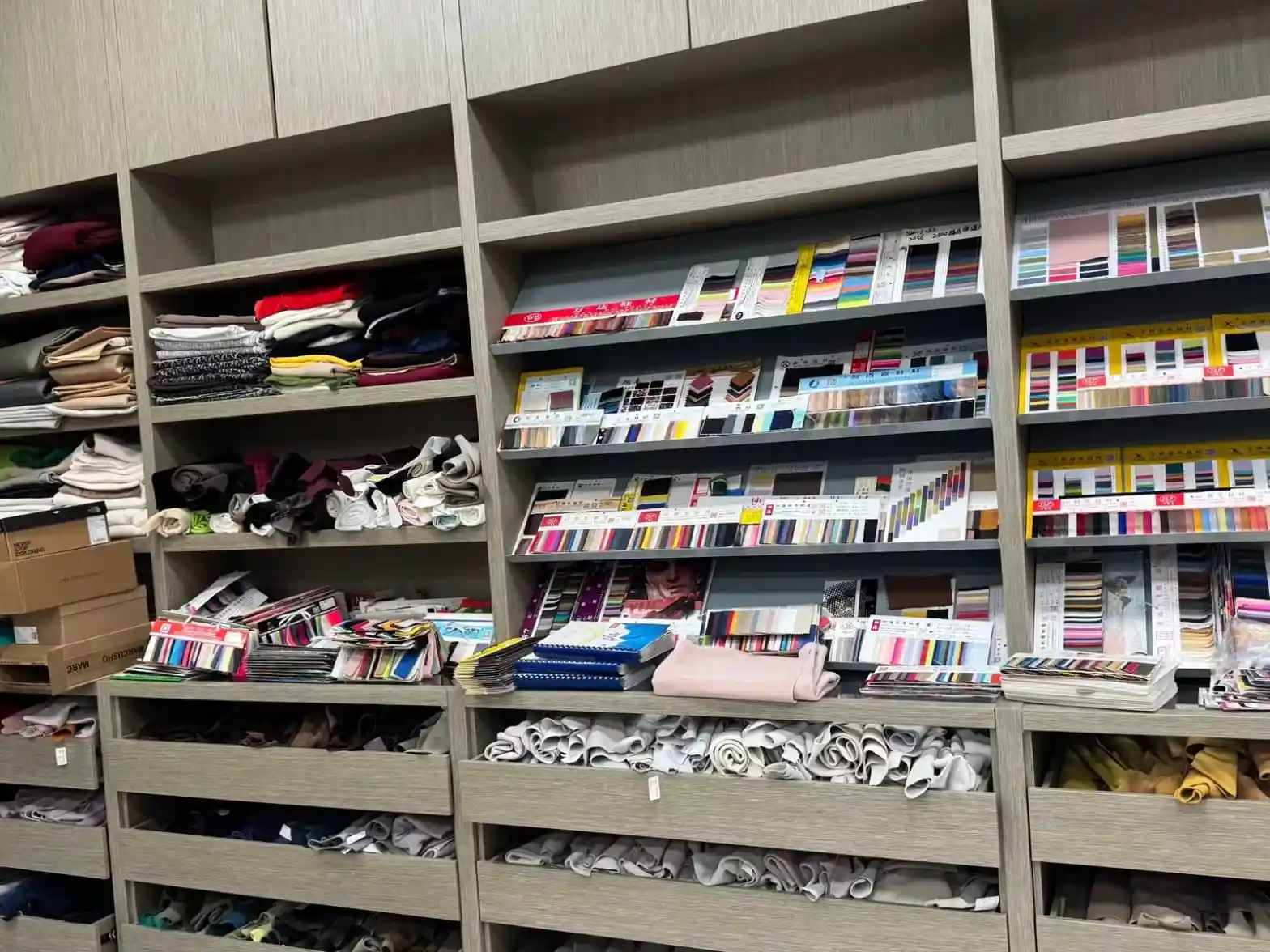
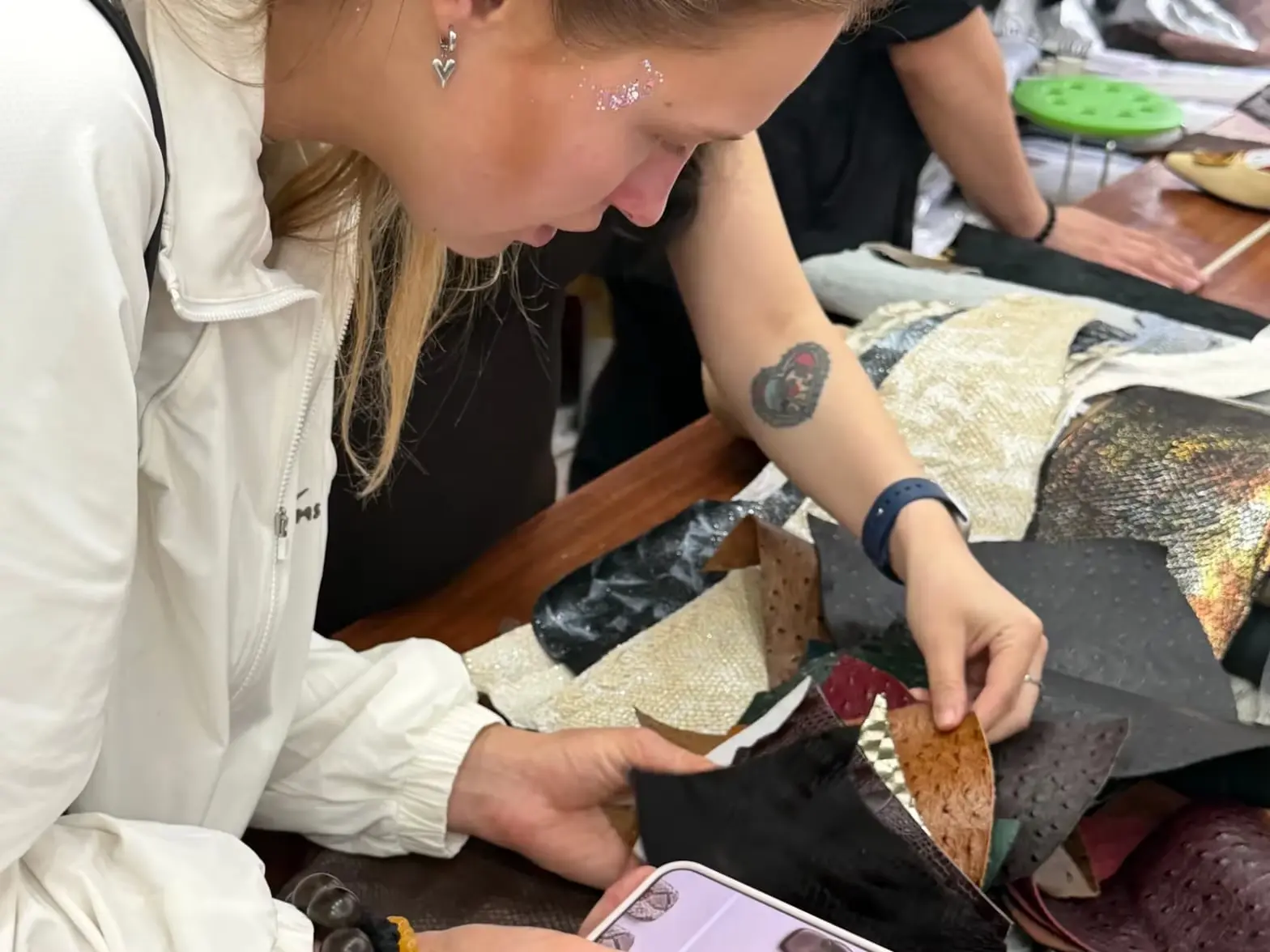
It is not a questionnaire, and it is not a few rounds of messages. Usually three of our people — design, pattern, materials — sit at the same table as your lead, with the sketch, the last, a sample upper and leather swatches laid out. Judgements land on objects, not on adjectives.
This is also why we insist on diagnosing before quoting sampling: every call made at that table can be pointed at something physical.
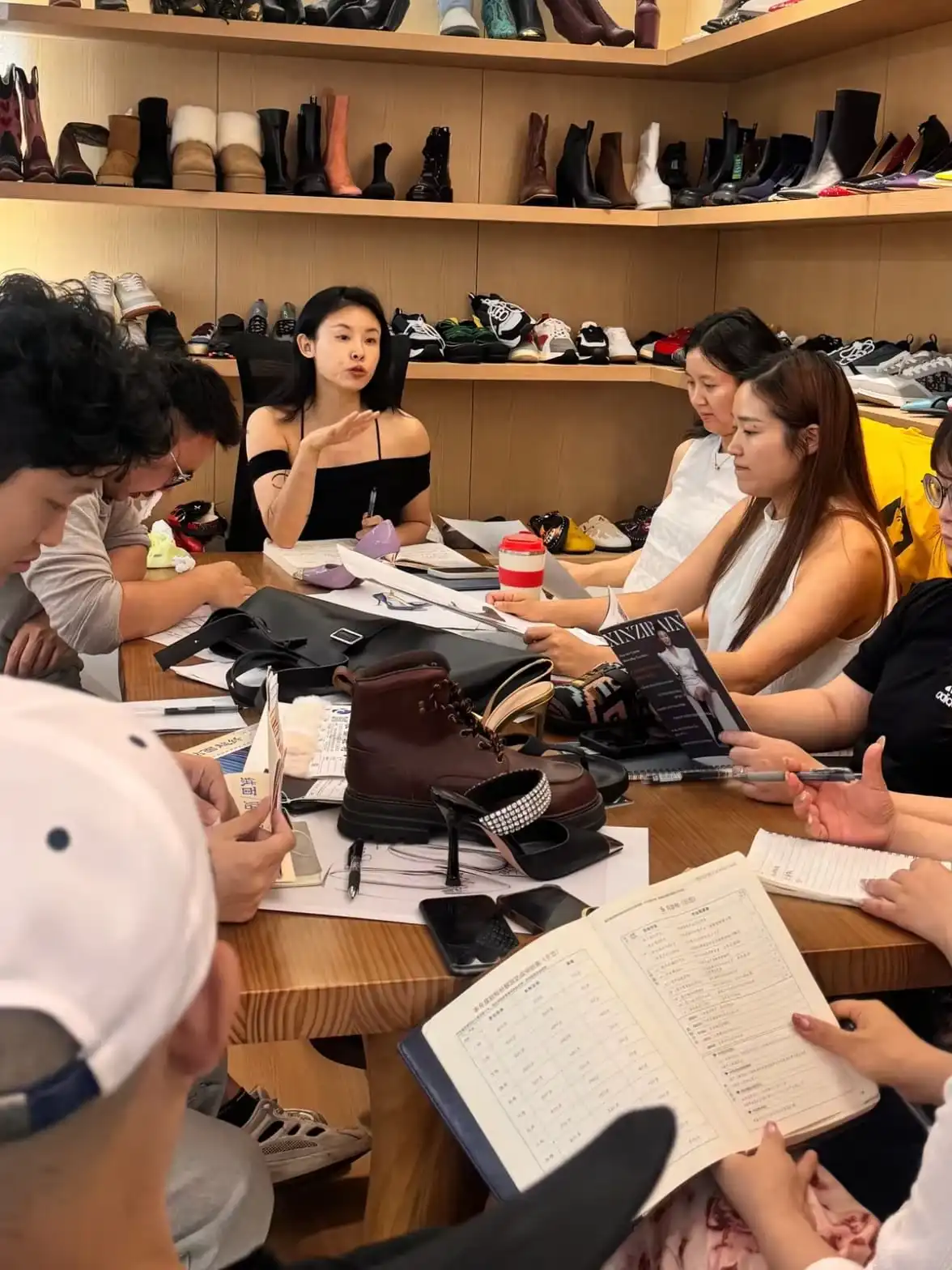
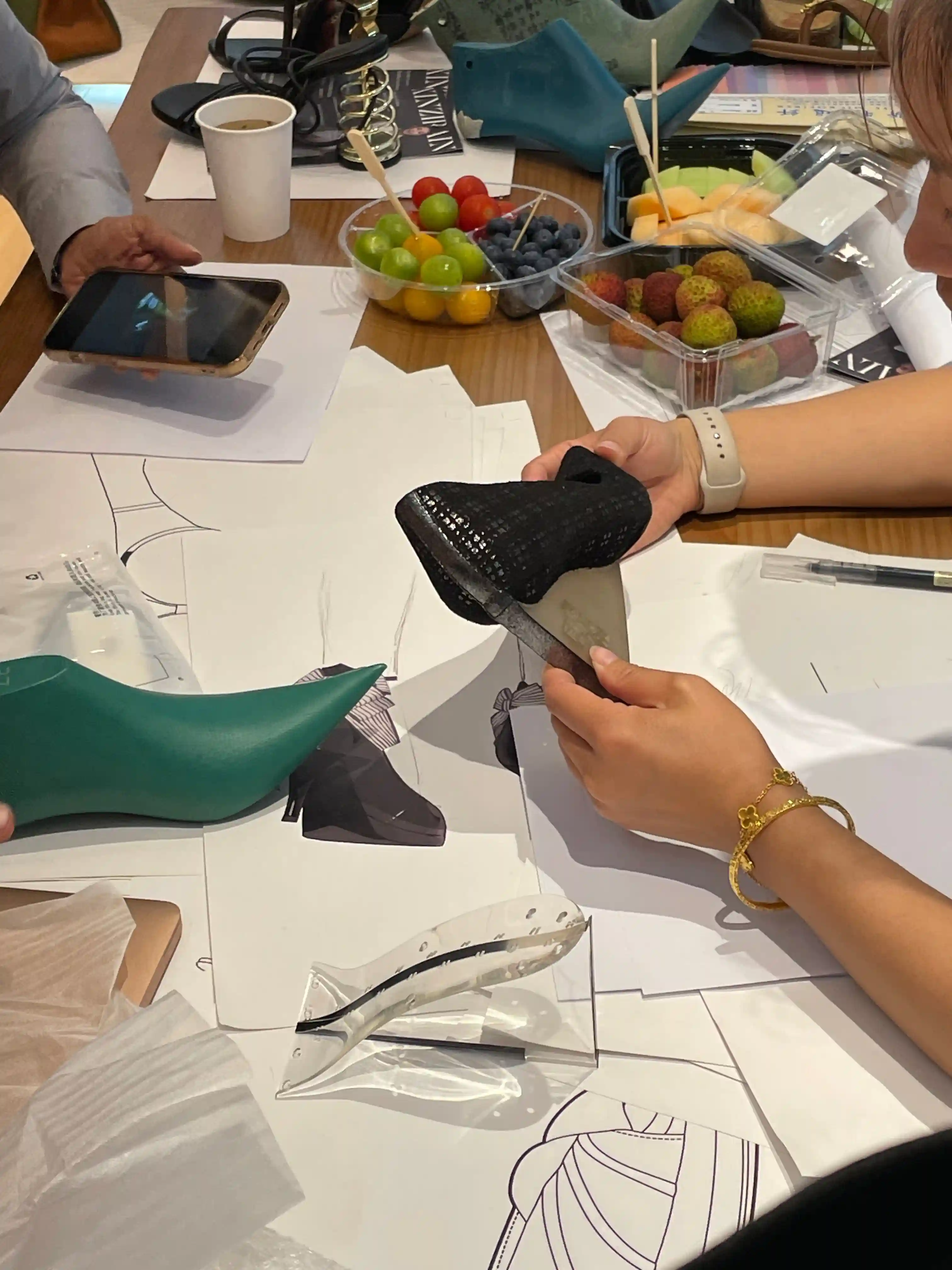
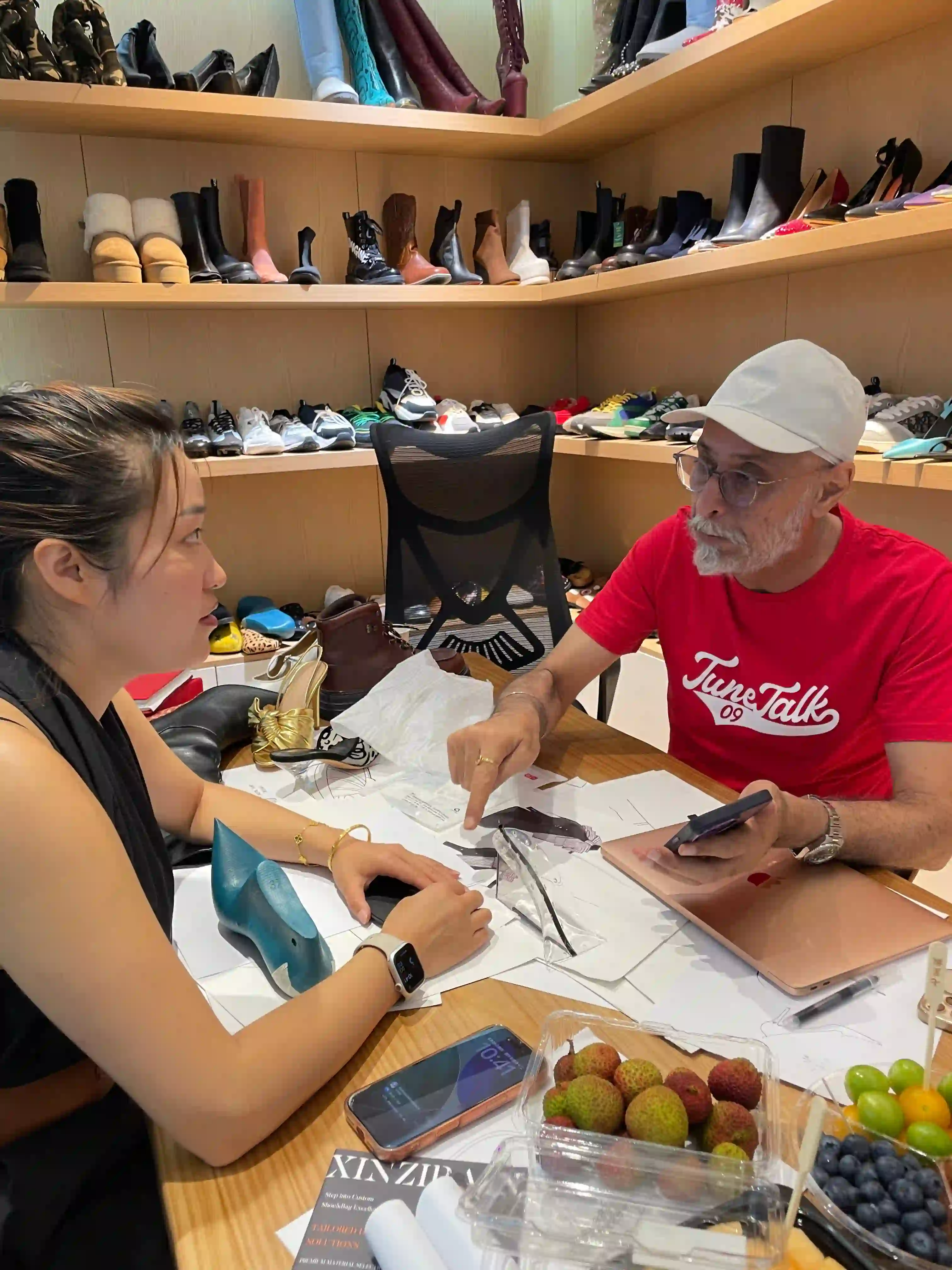
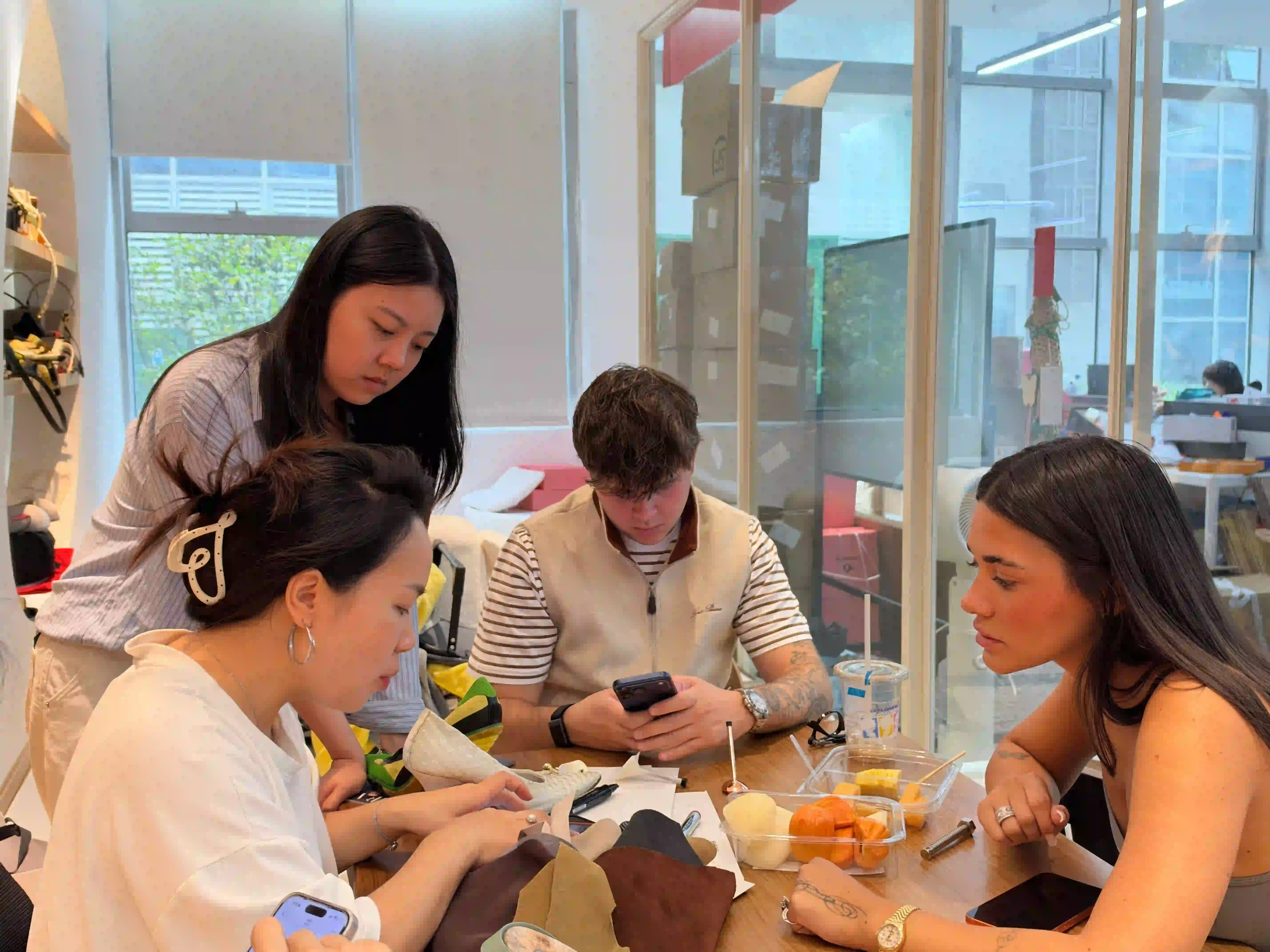
Most directional questions are settled at the table; whatever needs trial fitting in the last or material library comes back as a conclusion with alternatives.
4 · The boundary
Stated up front: what is free, and what is paid
Mixing the two is where this kind of collaboration usually goes wrong, so we separate them first.
Free
Manufacturing process advisory
Feasibility, material advice, structural advice, construction route, cost-structure guidance.
Answers "can this be built, and what is the steadiest way to build it".
Paid
Expert design service
Drawing development, tech packs, 3D modelling, last development.
Answers "and now the drawings need to be taken to a tooling-ready standard".
Quoted separately, promised separately. The free part does not become chargeable because the conclusion turns out to be complicated, and the paid part does not slip in under the cover of "let's look at the design first".
5 · How to start
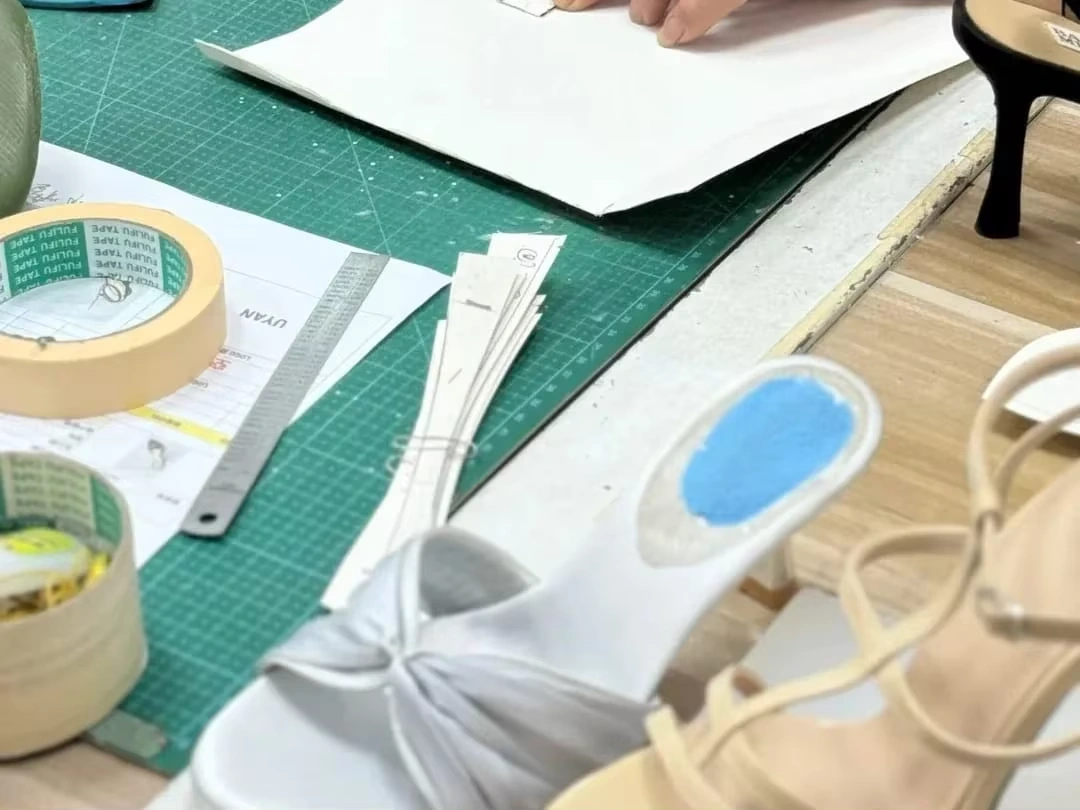
What to send for a diagnosis
01
A rendering or a sketch
No format required, the more specific the better. Notes on the direction lines matter more than a polished image.
02
A reference shoe
An actual sample is best. If there is none, describe what it should feel like — we will pull samples from the library to align.
03
Target retail price and first-order quantity
These two set the material grade and the construction route. Left until late, the earlier work is wasted.
04
Target launch date
It decides whether the project has to be split into stages, and which week sampling can be slotted into.
Complete is better, but incomplete still starts. The conclusions simply carry more assumptions.
6 · The conclusion
What a diagnosis conclusion looks like
A
Ready to sample
With a material and construction recommendation listing what to build first.
B
The design needs a change
Saying what to change, why, and which step it saves afterwards.
C
Change the material or the method
With alternatives and their trade-offs, rather than a flat "it can't be done".
7 · FAQ
Frequently asked
Is it really free? How is sampling charged?
The diagnosis is free. If the project moves to sampling, the sample fee is quoted by category and construction, and it is stated in the diagnosis conclusion — not added during the process.
I only have an idea, no drawings. Is that enough?
Yes. The diagnosis exists precisely to settle the direction before drawings. Coming back after the drawings are finished leaves less room to change anything.
Will my design leak?
What you send is used for this assessment only — not for display, quoting or any external communication.
How fast is the conclusion?
It follows project complexity. Styles with complicated structure or material trials get a staged read first, then the full conclusion.
Send us the rendering you already have
Start with a free diagnosis, then decide whether to sample. If the conclusion is "ready to sample", you also get the material and construction recommendations. If it is "change the material", you get alternatives and the trade-offs — not just a one-line no.